

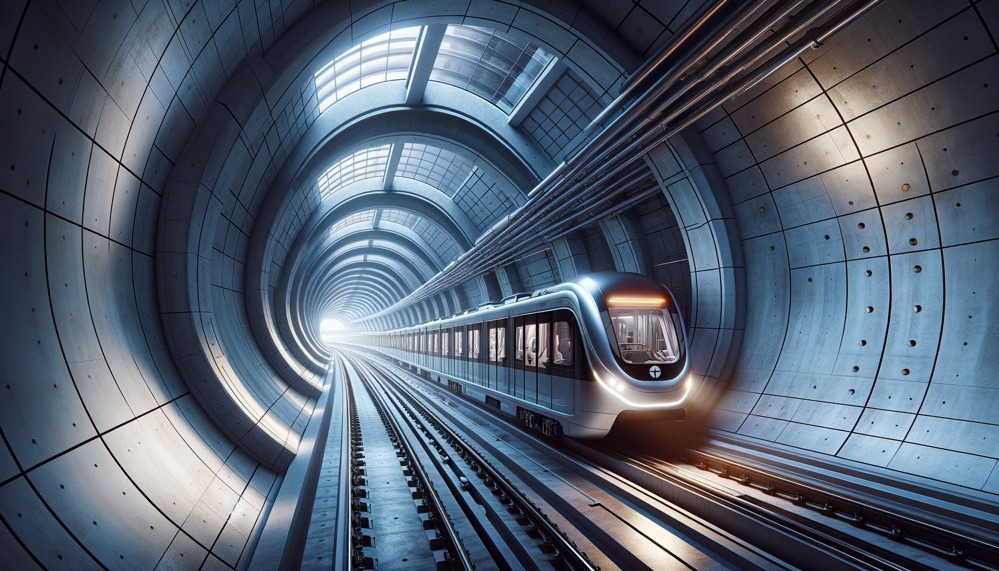
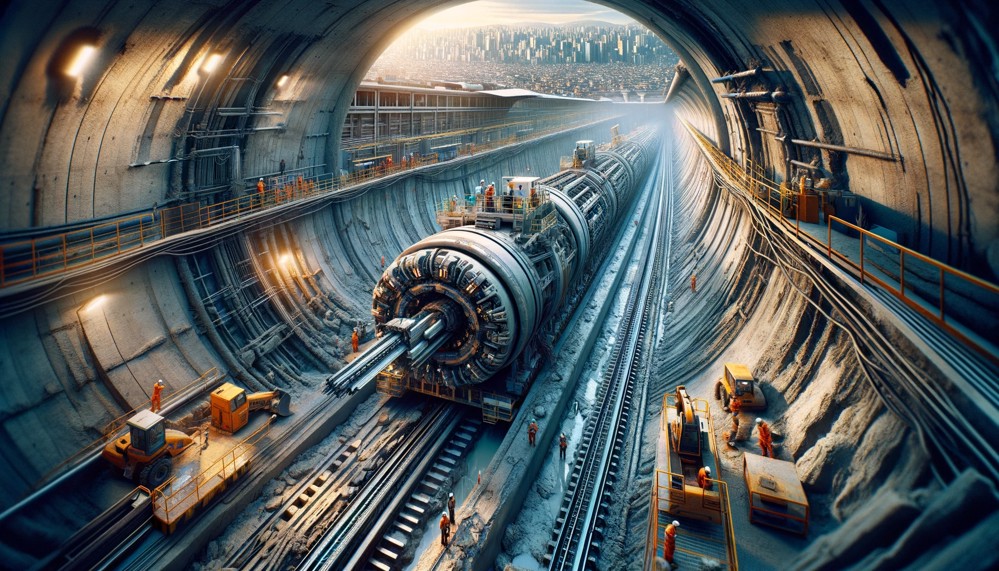
High in the Andes Mountains, the historic city of Quito, Ecuador, is undergoing a transformative change—the construction of the Quito Metro. This ambitious urban transportation project promises to redefine the city's landscape, reduce traffic congestion, and provide residents with a fast and eco-friendly mode of transportation. The Quito Metro is a symbol of Ecuador's vision for modernization, enhanced connectivity, and a greener future. In this article, we will explore the prospects, challenges, financing, and the regional corporations behind the Quito Metro project.
A Vision of Urban Transformation
Prospects
The Quito Metro is not just a transportation system; it embodies a vision of enhanced urban connectivity, economic development, and improved quality of life:
Urban Connectivity
At its core, the Metro aims to improve urban connectivity by providing a faster, more efficient, and eco-friendly mode of transportation for the people of Quito. It will connect key areas of the city, reducing commuting times and traffic congestion.
Economic Growth
The construction and operation of the Quito Metro stimulate economic growth by generating employment opportunities, attracting investment, and reducing transportation costs for businesses and residents. The project is seen as a catalyst for economic development in the region.
Environmental Sustainability
The Quito Metro places a strong emphasis on environmental sustainability. With modern, energy-efficient trains and eco-friendly practices, it contributes to Quito's commitment to reducing its carbon footprint.
Quality of Life
With reduced traffic congestion, decreased air pollution, and shorter commuting times, the project promises to enhance the quality of life for Quito's residents, making it a more attractive and livable city.
Navigating Challenges
Construction Complexity
The Quito Metro project presented significant challenges in terms of engineering, logistics, and management. The construction of tunnels, stations, and rail lines through the Andes Mountains and the densely populated city required meticulous planning and execution.
Financing
Securing the necessary funding for the project while ensuring it stays within budget is a continuous challenge. Ecuador's economy has faced fluctuations, and the financial pressures resulting from the COVID-19 pandemic further complicated financing.
Land Acquisition and Relocation
Resettling and compensating residents affected by the construction, as well as acquiring the necessary land, has been a significant challenge. This process demands careful handling to ensure the fair treatment of affected communities.
Financing the Future
Government Investment
The Ecuadorian government has been the primary source of funding for the Quito Metro project. Ecuador's commitment to modernization and infrastructure development is evident in its substantial financial support for this ambitious undertaking.
International Lending
Ecuador has also secured loans from international financial institutions to finance the Quito Metro project. These institutions not only provide critical funding but also offer valuable experience in managing large-scale infrastructure projects.
Public-Private Partnerships
To share the financial burden and leverage private sector expertise, Ecuador has pursued public-private partnerships (PPP) for various components of the project. These partnerships bring both financial support and specialized knowledge to ensure the project's success.
Regional Corporations
Several regional corporations have been instrumental in shaping and advancing the Quito Metro project:
Acciona
Acciona, a Spanish conglomerate, is involved in the construction of the Quito Metro. The company's extensive experience in engineering and construction plays a pivotal role in the project's success.
Odebrecht
Odebrecht, a Brazilian conglomerate, has played a key role in the Quito Metro project. They are responsible for the construction and maintenance of various components, ensuring the project's success.
Siemens
Siemens, a global leader in transportation technology, has provided the project with advanced signaling systems and technology to ensure the safety and efficiency of the Quito Metro.
In conclusion, the Quito Metro is not just a transportation project; it's a symbol of Ecuador's vision for modernization, enhanced connectivity, and a greener future. Despite the challenges posed by its construction complexity, financing needs, and the complexities of land acquisition and relocation, the prospects for the Quito Metro are bright. With the support of the Ecuadorian government, private investors, and the expertise of regional corporations, Quito is well on its way to becoming a model for urban transportation in the 21st century. As the Quito Metro project nears its completion, it symbolizes Ecuador's unwavering commitment to innovation, modernization, and a greener, more connected future, setting the stage for a new era of urban development and mobility in the capital city.




Leave a Comment
Be the first to share your thoughts on this article.
Post a Comment