
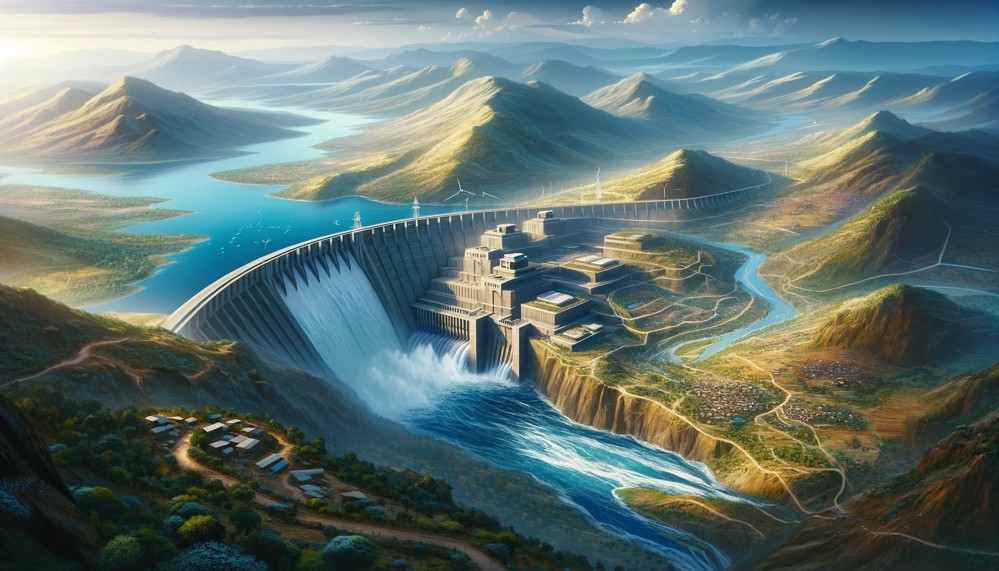
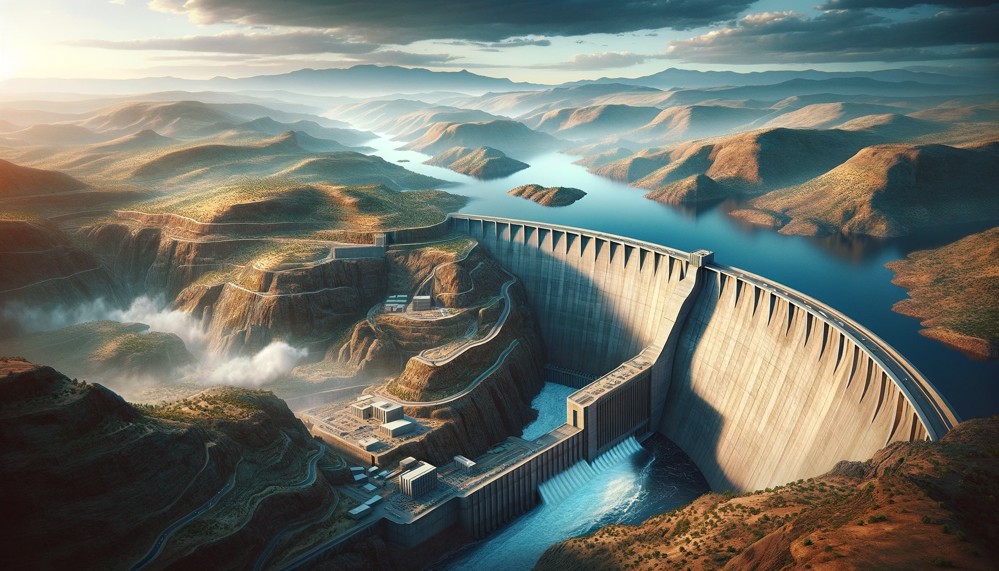
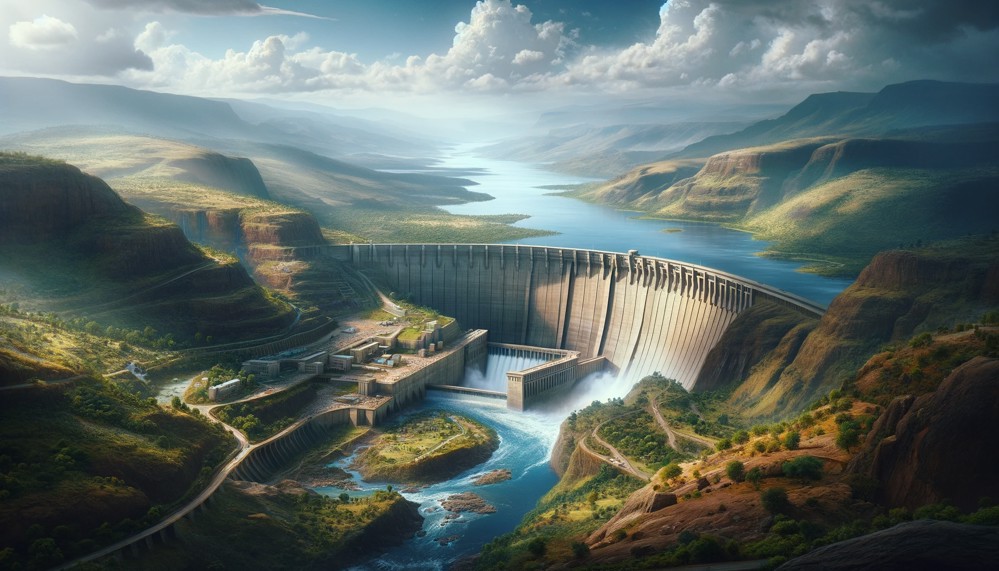
Nestled between the mountains of the Ethiopian Highlands, where the legendary Blue Nile commences its epic journey, stands an emblem of modernity and ambition – the Grand Ethiopian Renaissance Dam (GERD). This colossal hydroelectric power project, as immense in size as in geopolitical implications, illuminates Ethiopia's aspiration to transition into an African powerhouse while kindling concerns in downstream nations like Sudan and Egypt. The contours of this dam have chiseled deep into the basin’s geopolitics, echoing with themes of resource allocation, economic development, and environmental sustainability.
Rising from the Blue Nile: The Grand Vision
The GERD, Africa's largest hydroelectric project to date, is a cornerstone of Ethiopia's vision for economic rejuvenation. It is predicted to generate an astounding 6.45 gigawatts of electricity, more than doubling Ethiopia's current output. This power holds the potential to fuel Ethiopia's burgeoning industries, lighten up countless homes, and even export electricity to neighboring countries. Furthermore, the dam could play a vital role in water resource management, helping mitigate floods and droughts in a region vulnerable to climate change's harsh impacts.
The Downstream Dilemma: Echoes of Concern
However, the project has faced severe criticism from downstream countries. The Nile, the world's longest river, winds through eleven countries, and the GERD has sparked concerns among the Nile Basin nations, particularly Egypt and Sudan, which heavily rely on the river for their water needs.
Egypt, with over 95% of its territory covered by the arid Sahara desert, is almost entirely dependent on the Nile for its freshwater resources. With the GERD upstream, the fear of a reduced Nile flow looms large, threatening Egypt's water security, agriculture, and overall economy.
Similarly, Sudan, while recognizing potential benefits from the dam such as regulated river flow and cheap electricity, raises concerns about its water supply and the dam's safety, given the country's proximity to the GERD.
The Delicate Dance: Regional Cooperation and Diplomatic Undertakings
The core of the GERD dispute is a question of resource distribution, economic development, and national sovereignty. Ethiopia sees the GERD as an emblem of national pride and a cornerstone for its economic progress. In contrast, downstream countries view the dam as a potential threat to their survival.
Resolving this impasse requires increased regional cooperation and diplomatic engagement. The involved nations have held multiple negotiations under the African Union's auspices and involved international mediators like the U.S. and the U.N. Despite these efforts, a comprehensive agreement remains elusive.
Recognizing the Nile Basin's interconnectedness, an approach that promotes a shared vision of equitable use, protection, and development of the Nile waters could be key in diffusing tensions. Encouragingly, previous precedents, like the 1960 Indus Water Treaty between India and Pakistan or the Danube River Protection Convention in Europe, show that transboundary water disputes can be managed through dialogue, treaties, and regional frameworks.
The GERD: Challenges and Prospects
The GERD's implementation, in its present form, presents significant challenges, but it also has prospective benefits that cannot be overlooked.
Economic analysts highlight that the dam could provide Ethiopia with a much-needed boost in power generation, supporting industrial growth, reducing the country's persistent power outages, and potentially creating an energy export market. The country’s government sees this as a pathway to extricate millions from the shackles of poverty and bolster Ethiopia's position in the Horn of Africa.
Furthermore, in a region frequently plagued by droughts and floods, the GERD could help mitigate these extreme weather events' impacts. It could stabilize the Nile's flow, ensuring year-round navigability and reducing soil erosion.
However, potential environmental impacts are significant. These include displacement of local populations, loss of biodiversity, changes in the river's sediment load leading to increased salinization and reduced fertility downstream, and changes in local microclimates.
Navigating the Waters of Cooperation
The GERD is more than just a dam; it's a symbol of competing interests, histories, and aspirations. Striking a balance between Ethiopia's ambition for progress and the concerns of downstream countries is critical. While the task seems daunting, it is not impossible. It necessitates a willingness to compromise and the political leadership to value shared security over unilateral gains.
The Nile has nurtured civilizations for millennia, embodying cooperation and sustenance. As the Grand Ethiopian Renaissance Dam straddles this mighty river, the same spirit of cooperation must guide its course, ensuring that the river continues to be a source of life, development, and harmony for all its dependents.
The path forward may be as winding as the river itself, but the final destination, a cooperative and prosperous Nile Basin, is worth the journey. It's time for the nations of the Nile to navigate these waters together, ensuring the river's gifts are shared equitably, fostering mutual growth and understanding along its banks. After all, the path of sustainable development and regional peace is best charted together.




Leave a Comment
Be the first to share your thoughts on this article.
Post a Comment