
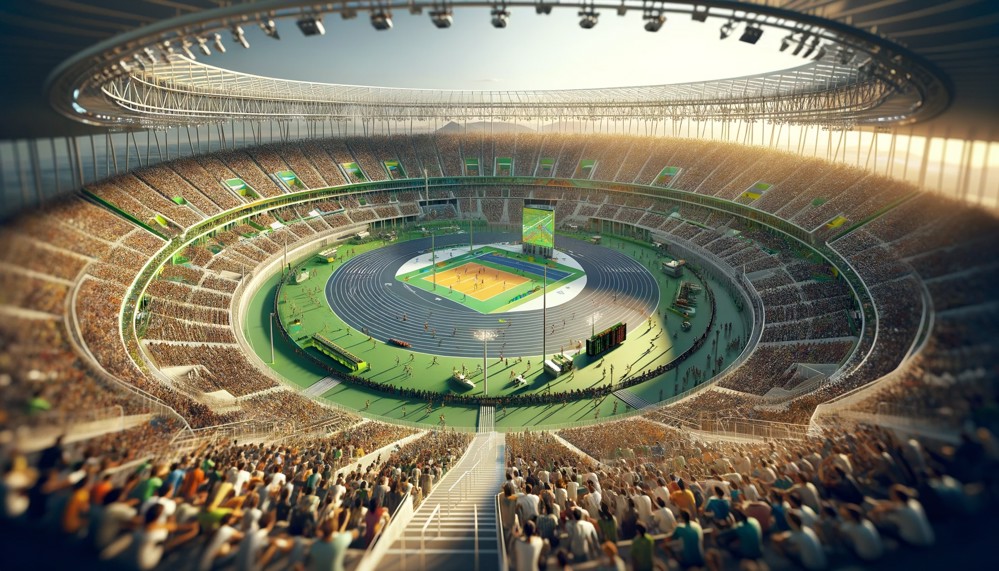

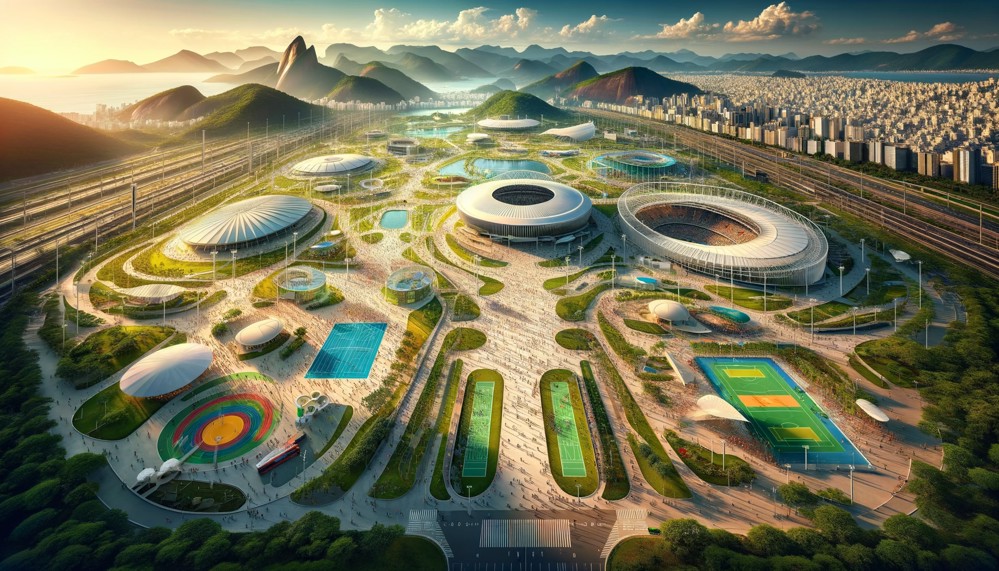
In 2016, the eyes of the world turned to Rio de Janeiro, Brazil, as the city hosted the 31st Olympic Games. The Rio Olympics marked a momentous occasion, not only for the athletes competing on the global stage but also for the city itself. At the heart of this international event was the Rio de Janeiro Olympic Park, a massive complex of venues and facilities that represented Brazil's ambition to showcase its culture, athleticism, and capacity for hosting major international events. In this article, we will delve into the prospects, challenges, financing, and the regional corporations behind the Rio de Janeiro Olympic Park.
A Vision of Sports Excellence
Prospects
The Rio de Janeiro Olympic Park was not just about hosting a sporting event; it embodied a vision of sports excellence, community development, and global recognition:
Showcasing Brazil
At its core, the Olympic Park aimed to showcase Brazil's cultural diversity, athleticism, and commitment to hosting major international events. It was an opportunity for Brazil to shine on the world stage.
Community Legacy
The facilities were designed with a post-Olympics legacy in mind. The plan was to turn them into sports centers and community spaces, providing local residents with access to high-quality athletic facilities.
Economic Benefits
The Olympics were expected to stimulate economic growth by creating jobs, attracting investment, and boosting tourism. This would lead to increased economic activity in the region.
Infrastructure Development
The construction of the Olympic Park also promised infrastructure development in the surrounding area. It included improved transportation links, housing, and urban planning.
Navigating Challenges
Funding and Financing
The financing of the Olympic Park was a significant challenge. The costs associated with building and maintaining the facilities were immense, and Brazil's economic challenges added further complexity to funding.
Infrastructure and Planning
The construction of the park and the associated infrastructure required meticulous planning and execution. Coordinating multiple projects, including the construction of venues and transportation links, was challenging.
Environmental Impact
The development of such a massive complex raised concerns about its environmental impact. Balancing the need for infrastructure with sustainability was a critical challenge.
Financing the Vision
Government Investment
The Brazilian government played a vital role in financing the construction and operation of the Olympic Park. It saw the project as a strategic investment in showcasing Brazil to the world and fostering community development.
Public-Private Partnerships
To share the financial burden and leverage private sector expertise, Brazil pursued public-private partnerships (PPP) for various components of the Olympic Park. These collaborations brought both financial support and specialized knowledge to ensure the project's success.
International Sponsorship
The Rio Olympics attracted international sponsorship, with global corporations contributing to the funding and promotion of the event. These sponsorships added to the financial support for the Olympic Park.
Regional Corporations
Several regional corporations played pivotal roles in shaping and advancing the Rio de Janeiro Olympic Park:
Odebrecht
Odebrecht, a Brazilian conglomerate, was involved in the construction and management of some Olympic Park facilities. Their extensive experience in engineering and construction was pivotal to the project's success.
Andrade Gutierrez
Andrade Gutierrez, another major Brazilian construction company, played a significant role in building parts of the Olympic Park, contributing their expertise in large-scale infrastructure projects.
AECOM
AECOM, an international infrastructure consulting firm, was involved in the planning and design of some Olympic Park facilities. Their global experience in urban planning and architecture was valuable to the project.
In conclusion, the Rio de Janeiro Olympic Park was not just about hosting an international sports event; it was a symbol of Brazil's commitment to showcasing its culture, fostering community development, and welcoming the world. Despite the challenges posed by financing, infrastructure development, and environmental concerns, the Olympic Park held significant prospects. With the support of the Brazilian government, private investors, and the expertise of regional corporations, the Rio de Janeiro Olympic Park successfully left a legacy of sports excellence, community development, and a memorable global event. As the Olympic Park continues to serve the community and the world, it symbolizes Brazil's unwavering commitment to progress, sportsmanship, and a future where major events and community development coexist in harmony.



Leave a Comment
Be the first to share your thoughts on this article.
Post a Comment