

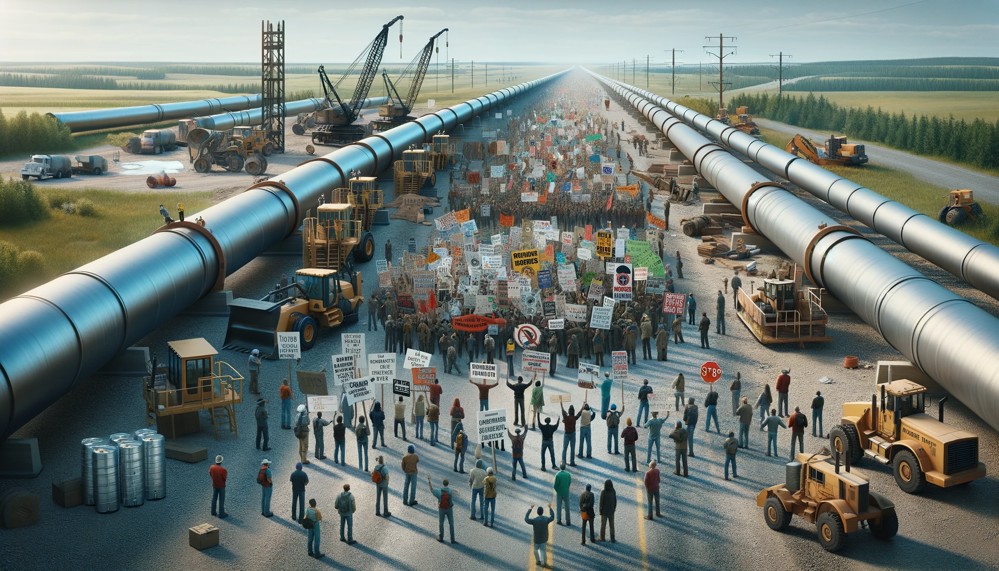

The Keystone XL Pipeline, a project that has loomed large in the energy landscape of North America, is a topic of great debate and discussion. This ambitious endeavor promises to connect Canadian oil sands with refineries in the United States while navigating significant environmental and political challenges. In this article, we'll embark on a journey through the prospects, challenges, financing, and the regional corporations that have been pivotal in shaping the future of the Keystone XL Pipeline.
Prospects: Fueling North America's Future
The Keystone XL Pipeline is a transformative project, offering a multitude of exciting prospects:
1. Enhanced Energy Security
The project aims to enhance energy security for the United States by providing a reliable source of oil from a friendly neighbor, reducing reliance on oil from more unstable regions.
2. Economic Growth and Job Creation
Improved energy infrastructure is expected to stimulate economic growth by attracting investment and creating job opportunities in both Canada and the United States.
3. Infrastructure Development
Investing in the pipeline infrastructure helps modernize the continent's energy transportation network, making it more efficient and competitive.
4. Energy Export Opportunities
The project opens up opportunities for Canada to export its abundant oil resources to the United States and potentially to other markets, enhancing economic prospects.
Challenges: Navigating the Controversial Terrain
While the prospects are exciting, the Keystone XL Pipeline project faces several challenges:
1. Environmental Concerns
The project has been met with strong opposition from environmental groups who raise concerns about potential oil spills and the impact on climate change.
2. Regulatory and Permit Challenges
Coordinating the necessary permits and meeting regulatory standards in both Canada and the United States is a complex task, requiring extensive legal diligence and stakeholder engagement.
3. Technical Complexities
The pipeline requires meticulous engineering and planning to ensure its safety and efficiency.
4. Political Sensitivities
The project has been a subject of political sensitivity, with different administrations in the United States providing varying degrees of support or opposition.
Financing: The Pipeline's Economic Fuel
The financing of the Keystone XL Pipeline comes from a blend of sources:
1. Private Investment
The project has attracted significant private investment, with companies like TransCanada (now TC Energy) leading the effort.
2. Bonds and Loans
To secure additional funding, the project has issued bonds and secured loans, attracting private sector investors and institutional support.
3. Tax Revenues and Tariffs
The pipeline's operation generates tax revenues and tariffs, contributing to its financing.
4. Government Support
The Canadian and U.S. governments have played roles in supporting the project through financial commitments and regulatory approvals.
Regional Corporations: Building the Transnational Link
Several regional corporations and organizations are pivotal in the development of the Keystone XL Pipeline:
1. TC Energy
TC Energy, formerly known as TransCanada, is the company responsible for planning, developing, and promoting the project. It plays a crucial role in coordinating various aspects of the pipeline.
2. Construction and Energy Giants
Major construction and energy corporations such as Bechtel, Valard Construction, and ConocoPhillips have been heavily involved in the construction and development of the Keystone XL Pipeline.
3. Environmental and Indigenous Groups
Environmental organizations and indigenous groups play a critical role in ensuring that the project adheres to environmental standards and respects indigenous rights.
4. State and Provincial Authorities
State and provincial authorities are instrumental in ensuring that the project complies with local regulations, permits, and environmental considerations.
In conclusion, the Keystone XL Pipeline is not just a pipeline; it's a symbol of complex energy, economic, and environmental debates that span national boundaries. Despite challenges related to financing, environmental concerns, regulatory hurdles, and political sensitivities, the prospects of enhanced energy security, economic growth, and infrastructure development make this project highly promising. With regional corporations, government support, and international involvement, the Keystone XL Pipeline is poised to reshape the energy landscape of North America, foster economic development, and provide a reliable means of transporting Canada's abundant oil resources to U.S. refineries. As this controversial project continues to be at the center of public and political discourse, it stands as a reminder of the intricate and multifaceted issues that revolve around energy development and sustainability in the modern world.




Leave a Comment
Be the first to share your thoughts on this article.
Post a Comment