
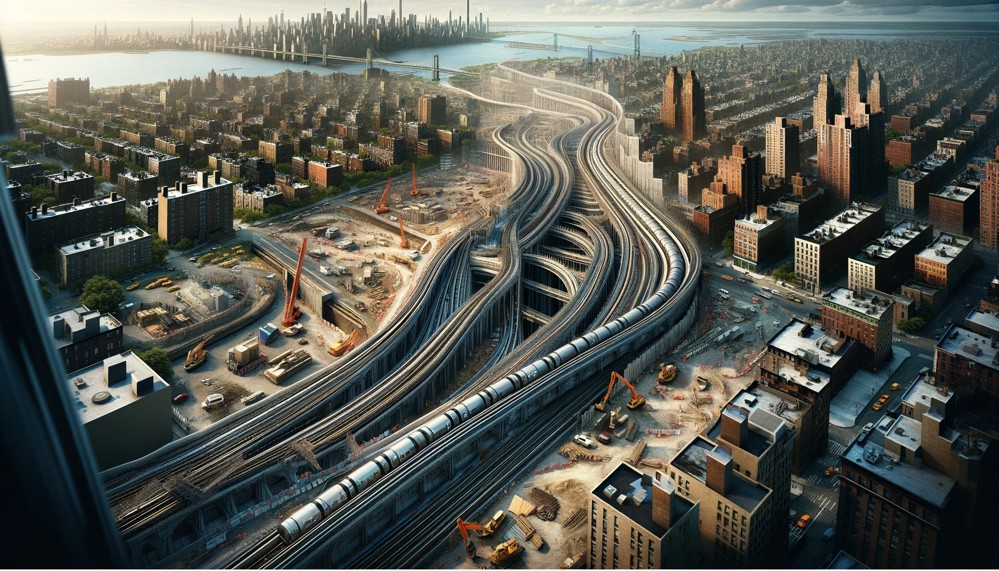


New York City, a metropolis that never sleeps, is delving into the depths of its urban labyrinth as it embarks on an ambitious endeavor - the expansion of the New York City Subway. This visionary project promises to enhance connectivity, reduce congestion, and promote economic growth. In this article, we'll take you on a journey through the prospects, challenges, financing, and the regional corporations shaping the future of New York City through the Subway expansion.
Prospects: Tunneling Towards a Connected Tomorrow
The New York City Subway Expansion is a transformative project, offering a multitude of exciting prospects:
1. Enhanced Connectivity
The expansion aims to create new subway lines and extend existing ones, enhancing connectivity across the city, reducing travel times, and improving mobility.
2. Economic Growth and Urban Development
Improved connectivity is expected to stimulate economic growth by attracting investment, creating job opportunities, and fostering urban development in the city.
3. Environmental Benefits
By reducing car dependency, the expansion will help mitigate congestion and reduce greenhouse gas emissions, promoting a more eco-friendly mode of commuting.
4. Improved Quality of Life
The project will lead to a higher quality of life for residents by making it easier to access jobs, schools, and cultural amenities.
Challenges: Navigating the Urban Maze
While the prospects are exciting, the New York City Subway Expansion project faces several challenges:
1. Financing and Budget Management
The scale of the project demands meticulous financial planning and cost management to ensure it remains within budget.
2. Urban Planning and Land Use
Coordinating land acquisition, urban planning, and zoning regulations can be a complex task, often involving legal and social challenges.
3. Technical Complexities
Building and maintaining subway infrastructure in a bustling, built-up city requires intricate engineering and coordination to ensure the system operates safely and efficiently.
4. Social Inclusion and Accessibility
The expansion must address social inclusion, ensuring that all communities benefit from the improved connectivity.
Financing: Funding the Underground Marvel
The financing of the New York City Subway Expansion comes from a blend of sources:
1. Government Investment
The New York City government and state government have been major contributors to the financing of the project, investing in its planning, development, and construction.
2. Bonds and Loans
To secure additional funding, the project has issued bonds and secured loans, attracting private-sector investors and institutional support.
3. Tax Revenues and Fare Revenues
The project is partly funded by tax revenues and fare revenues generated from subway ridership.
4. Public-Private Partnerships (PPPs)
Public-private partnerships play a substantial role in financing and operating the project, sharing responsibilities and risks between the government and private entities.
Regional Corporations: Building the Urban Future
Several regional corporations and organizations are pivotal in the development of the New York City Subway Expansion:
1. Metropolitan Transportation Authority (MTA)
The MTA is the government agency responsible for planning, developing, and promoting the project. It plays a crucial role in coordinating the various aspects of the subway expansion.
2. Construction and Engineering Giants
Major construction and engineering corporations like AECOM, Parsons Brinckerhoff, and Skanska have been heavily involved in the construction and development of the New York City Subway Expansion.
3. Local and Community Groups
Local and community groups are instrumental in ensuring that the project complies with local regulations, permits, and environmental considerations, and that it benefits the communities it serves.
4. Business Improvement Districts (BIDs)
Business Improvement Districts work in tandem with the project to promote economic growth, attract investments, and ensure that businesses benefit from improved connectivity.
In conclusion, the New York City Subway Expansion is not just a transportation project; it's a symbol of progress, connectivity, and ambition for the city. Despite challenges related to financing, urban planning, and social inclusion, the prospects of enhanced connectivity, economic growth, and environmental benefits make this project highly promising. With regional corporations, government support, and international involvement, the New York City Subway Expansion is poised to reshape the city's transportation and urban landscape, foster economic development, and provide a faster and more efficient way for people to move within the city. As this transformative project continues to carve its path beneath the city's streets, it stands as a beacon of New York's dedication to progress, innovation, and connectivity, promising a brighter and more connected future for the city and its residents.




Leave a Comment
Be the first to share your thoughts on this article.
Post a Comment