
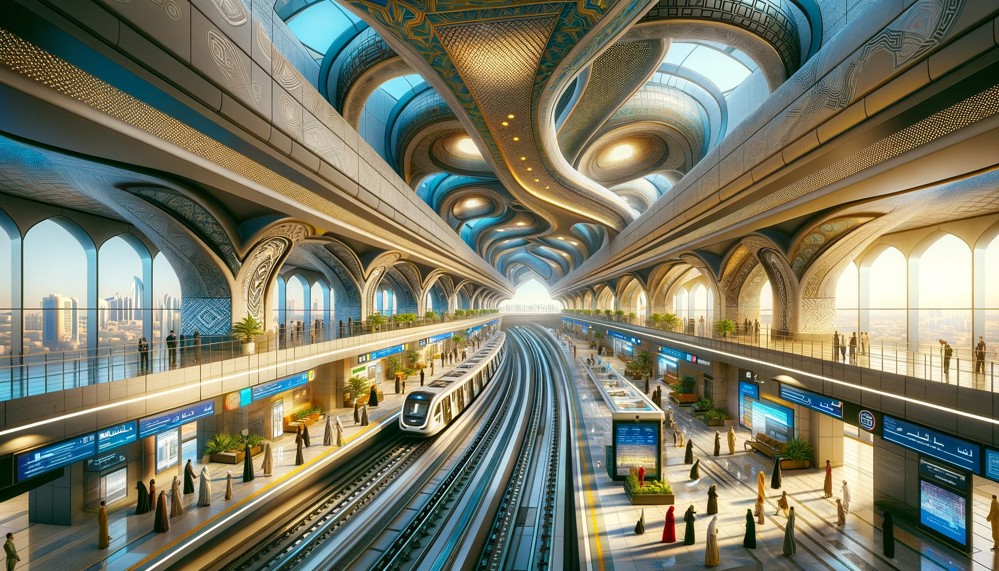
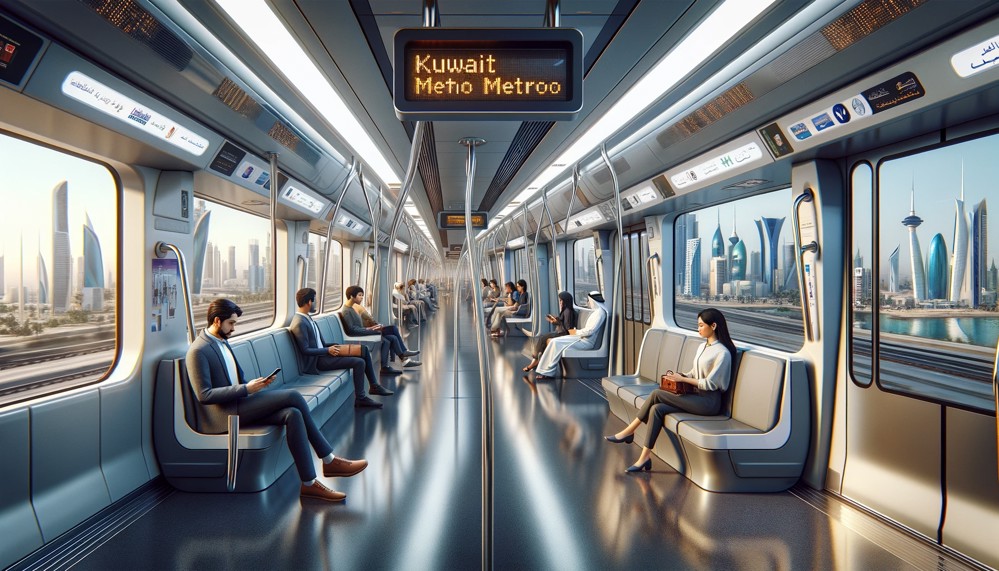
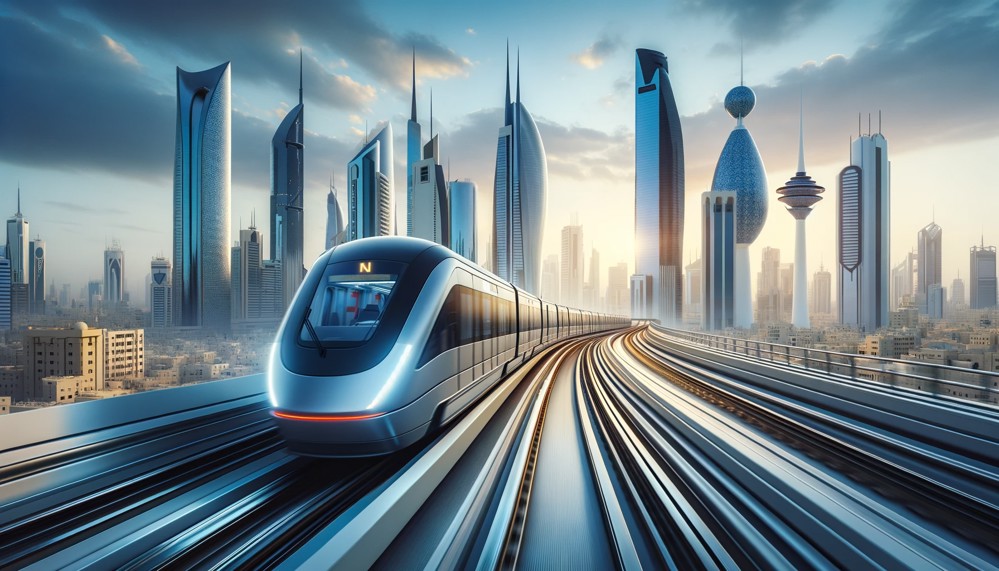
Nestled on the northern coast of the Arabian Gulf, Kuwait is making a bold move towards the future with the Kuwait Metro, an ambitious urban transportation project that promises to redefine the city's landscape and transform its urban mobility. This groundbreaking endeavor is not only set to reshape Kuwait's public transportation system but also enhance connectivity and promote sustainable urban living. In this article, we will delve into the prospects, challenges, financing, and the regional corporations behind the Kuwait Metro.
A Vision of Connectivity
Prospects
The Kuwait Metro project is more than just a transit system; it represents a vision of economic growth, environmental sustainability, and urban development:
Improved Urban Connectivity
At its core, the Kuwait Metro aims to alleviate traffic congestion and provide a modern, efficient, and sustainable public transportation system. With an intricate network of lines connecting major districts and residential areas, the metro promises to enhance urban connectivity and make daily commuting more manageable.
Environmental Sustainability
The metro's design places a strong emphasis on environmental sustainability. The utilization of energy-efficient trains, the development of renewable energy sources, and the incorporation of eco-friendly materials are pivotal in promoting Kuwait's commitment to a greener, more sustainable future.
Economic Growth
The project has already created thousands of jobs, both directly and indirectly, through its construction, operation, and maintenance. The Kuwait Metro is not merely a transportation network; it is a catalyst for economic growth, attracting investment, fostering job opportunities, and promoting economic diversification.
Quality of Life
With the Kuwait Metro in operation, the city's residents and visitors can expect an improved quality of life, with reduced traffic congestion, faster commutes, and a lower carbon footprint. The metro represents Kuwait's dedication to creating a more livable and efficient urban environment.
Navigating Challenges
Construction Complexity
The scale of the Kuwait Metro project presented formidable engineering and logistical challenges. Building tunnels, stations, and rail lines within the city's bustling urban environment required meticulous planning, careful execution, and sophisticated engineering.
Changing Transportation Culture
Kuwait has historically been an automobile-centric society, and a paradigm shift is necessary to encourage the use of public transportation. Effective public awareness campaigns and a change in transportation habits are significant challenges to overcome.
Financing
Securing the necessary funding for the project while staying within budget is an ongoing challenge. Kuwait's economy faced challenges due to fluctuations in oil prices, which added complexity to the financing of this massive project.
Financing the Future
Government Investment
The Kuwaiti government has been the primary source of funding for the Kuwait Metro project. It has demonstrated a clear commitment to modernizing infrastructure and creating a more sustainable and efficient urban environment for its citizens.
Public-Private Partnerships
To share the financial burden and bring specialized knowledge to the project, the Kuwait Metro has entered into public-private partnerships (PPP). These collaborations leverage the expertise and financial support of the private sector.
International Investment
The Kuwait Metro project actively seeks international investment, inviting international corporations and financial institutions to become involved in the development. Attracting foreign investors and international expertise is pivotal to the project's success.
Regional Corporations
Several regional corporations have played crucial roles in shaping and advancing the Kuwait Metro:
Kuwait Authority for Partnership Projects
The Kuwait Authority for Partnership Projects (KAPP) is responsible for overseeing and managing the Kuwait Metro project. They play a pivotal role in coordinating the project's various components, from planning and construction to daily operations.
Hyundai Engineering & Construction
Hyundai Engineering & Construction, a South Korean corporation, is a key contractor responsible for constructing portions of the Kuwait Metro. Their extensive experience in construction and engineering is pivotal to the project's success.
Alstom
Alstom, a French multinational corporation, is responsible for providing the Kuwait Metro with advanced rolling stock, signaling systems, and related equipment, ensuring the metro's safety and efficiency.
In conclusion, the Kuwait Metro project is not just about creating a new transit system; it's about revolutionizing Kuwait's urban landscape and shaping the future of the country. Despite the challenges posed by infrastructure development, changing transportation habits, and financial needs, the prospects for the Kuwait Metro are significant. With the support of the Kuwaiti government, private investors, and the expertise of regional corporations, Kuwait is well on its way to becoming a model for urban transportation in the 21st century. As the Kuwait Metro project nears completion, it symbolizes Kuwait's unwavering commitment to innovation, modernization, and a dynamic future, setting the stage for a new era of urban development and mobility.




Leave a Comment
Be the first to share your thoughts on this article.
Post a Comment