Challenges, Tourism Potentials, and GCC Countries' Development: Building a Vibrant Future
The Gulf Cooperation Council (GCC) countries, including Bahrain, Kuwait, Oman, Qatar, Saudi Arabia, and the United Arab Emirates, have witnessed remarkable development and transformation in recent decades. These nations, rich in natural resources, have successfully diversified their economies and embraced tourism as a key driver of growth. However, along with immense opportunities, they also fa
The Gulf Cooperation Council (GCC) countries, including Bahrain, Kuwait, Oman, Qatar, Saudi Arabia, and the United Arab Emirates, have witnessed remarkable development and transformation in recent decades. These nations, rich in natural resources, have successfully diversified their economies and embraced tourism as a key driver of growth. However, along with immense opportunities, they also face unique challenges. This article delves into the challenges these countries encounter, the vast tourism potentials they possess, and the impact of tourism on their overall development.
Challenges:
- Climate and Sustainability: The GCC countries grapple with extreme temperatures and limited water resources, which pose challenges to sustainable development. Managing water scarcity, implementing eco-friendly practices, and minimizing the environmental impact of rapid urbanization and tourism growth are critical considerations for long-term sustainability.
- Socio-Cultural Sensitivity: Preserving local culture and traditions while accommodating the demands and expectations of international visitors can be a delicate balancing act. Ensuring that tourism development respects local customs, values, and social structures is crucial to maintaining the authenticity and identity of these nations.
- Workforce Development: Meeting the human resource demands of a booming tourism industry is a persistent challenge. Developing a skilled workforce capable of delivering high-quality services, fostering innovation, and embracing cultural diversity requires continuous investment in education, training, and professional development programs.
Tourism Potentials:
- Rich Cultural Heritage: The GCC countries boast a rich cultural heritage that spans centuries, from ancient archaeological sites to traditional crafts and vibrant festivals. Promoting cultural tourism can offer unique experiences to visitors while preserving and showcasing the region's rich historical legacy.
- Natural Beauty and Adventure: The GCC countries are blessed with diverse landscapes, including pristine beaches, majestic mountains, vast deserts, and flourishing oases. These natural wonders provide opportunities for eco-tourism, adventure tourism, and outdoor activities such as desert safaris, scuba diving, and hiking, appealing to nature enthusiasts and adventure seekers.
- Shopping and Entertainment: The GCC countries have established themselves as shopping and entertainment hubs, with modern malls, luxury retail outlets, and world-class entertainment venues. From hosting international sporting events to organizing cultural festivals, the region offers a vibrant and dynamic atmosphere that attracts tourists seeking leisure, entertainment, and shopping experiences.
GCC Countries' Development:
- Economic Diversification: The GCC countries recognize the importance of diversifying their economies beyond hydrocarbon resources. Tourism has emerged as a key sector in their economic diversification efforts, creating employment opportunities, attracting foreign investment, and generating revenue streams.
- Infrastructure Development: The GCC countries have invested heavily in developing world-class infrastructure to support tourism growth. Building modern airports, expanding hotel capacities, improving transportation networks, and enhancing connectivity through air and sea routes are crucial to accommodating increasing tourist arrivals.
- Hospitality and Service Excellence: The GCC countries prioritize offering exceptional hospitality and service quality to visitors. From luxury resorts to budget accommodations, the region has a range of options catering to diverse tourist segments. Training and development programs focus on enhancing the skills and professionalism of the hospitality workforce, ensuring a memorable experience for guests.
- Collaboration and Integration: The GCC countries understand the significance of collaboration and integration for tourism development. Initiatives such as the GCC Tourist Visa and shared marketing campaigns promote intra-regional tourism, encouraging visitors to explore multiple countries within a single trip and fostering greater cooperation among the nations.
Conclusion: The GCC countries have made significant strides in diversifying their economies and positioning tourism as a vital contributor to their development. Overcoming challenges related to climate, sustainability, cultural preservation, and workforce development is crucial to ensuring the long-term success of their tourism industries. By leveraging their rich cultural heritage, natural beauty, and world-class infrastructure, these nations have the potential to become leading global tourism destinations. As they continue to invest in tourism and focus on delivering exceptional experiences, the GCC countries are poised to build a vibrant future that showcases their unique charm and contributes to their overall socioeconomic growth.
Tourism Potentials, and GCC Countries' Development: Navigating a Dynamic Landscape
The Gulf Cooperation Council (GCC) countries, including Bahrain, Kuwait, Oman, Qatar, Saudi Arabia, and the United Arab Emirates, have experienced remarkable growth and development in recent decades. However, this progress has not been without its challenges. This article explores the key challenges faced by the GCC countries, the tourism potential within the region, and the ongoing development initiatives that shape their future.
Challenges:
- Economic Diversification: Historically reliant on oil and gas revenues, the GCC countries recognize the need to diversify their economies. Reducing their dependence on hydrocarbons and expanding into sectors such as tourism, finance, technology, and renewable energy presents a significant challenge. It requires fostering a culture of innovation, attracting foreign investments, and developing a skilled workforce to support these emerging industries.
- Demographic Pressures: Rapid population growth, coupled with a youthful demographic profile, places strain on infrastructure, healthcare systems, and social services. GCC countries need to ensure the provision of quality education, healthcare, and housing, while also creating employment opportunities for their growing populations.
- Water Scarcity and Environmental Sustainability: The GCC countries face arid climates and limited freshwater resources. Sustainable management of water supplies, conservation efforts, and adopting innovative approaches to address this challenge are crucial for long-term sustainability. Additionally, promoting environmental stewardship, renewable energy projects, and nature conservation are vital for preserving the region's delicate ecosystems.
Tourism Potentials:
- Rich Cultural Heritage: The GCC countries boast a rich cultural heritage, with historic sites, ancient ruins, and traditional arts and crafts. From the majestic forts of Oman to the archaeological wonders of Bahrain, these countries offer unique cultural experiences for tourists seeking to explore their rich history and traditions.
- Natural Wonders: The GCC region is home to breathtaking natural landscapes, including pristine coastlines, desert dunes, and rugged mountains. Opportunities for adventure tourism, such as desert safaris, scuba diving, and mountain trekking, attract nature enthusiasts and outdoor adventurers from around the world.
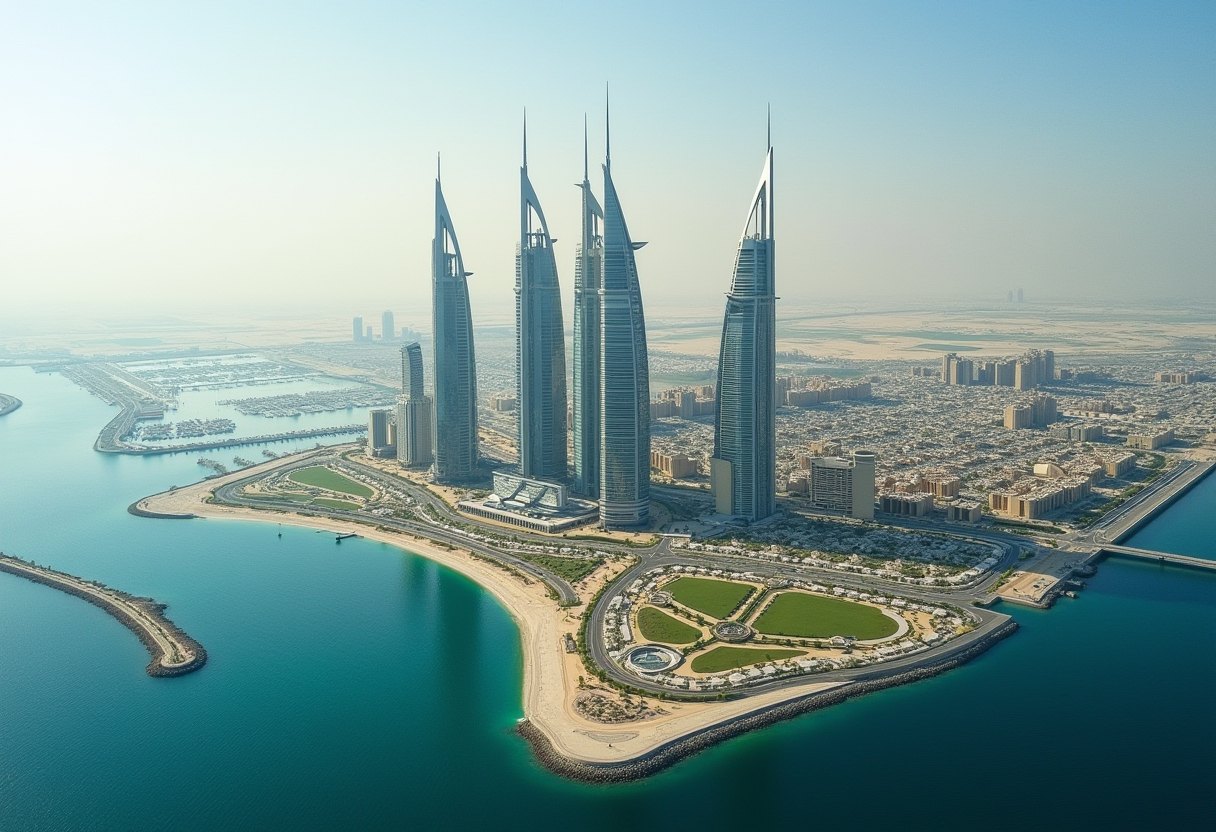
- World-Class Hospitality and Entertainment: The GCC countries have invested heavily in developing world-class hospitality infrastructure, luxury resorts, and entertainment facilities. From iconic skyscrapers in Dubai to high-end shopping experiences in Qatar, the region offers a blend of luxury, opulence, and entertainment options to cater to a diverse range of tourists.
GCC Countries' Development Initiatives:
- Vision 2030: Each GCC country has set forth its own long-term development plan, with Saudi Arabia's Vision 2030 being the most notable. These plans outline strategic objectives to diversify economies, stimulate private sector growth, improve infrastructure, and enhance quality of life. The vision emphasizes tourism as a key sector for economic diversification and highlights the need for sustainable tourism development.
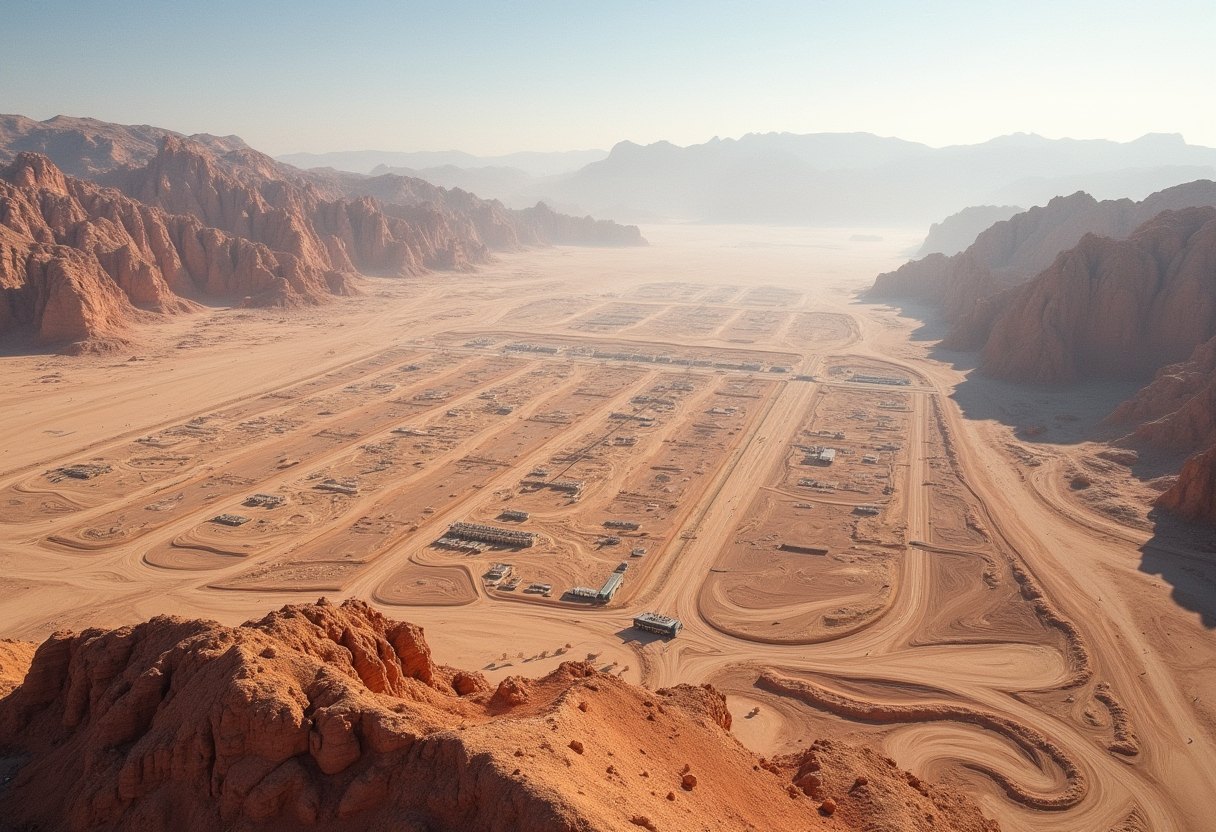
- Mega Projects: The GCC countries are undertaking ambitious mega projects to attract tourism and boost economic growth. Examples include Saudi Arabia's NEOM mega-city, Dubai's Expo 2020, and Qatar's FIFA World Cup 2022. These projects aim to enhance tourism infrastructure, create job opportunities, and position the region as a global tourism destination.
- Collaboration and Connectivity: GCC countries recognize the importance of regional collaboration and connectivity. Initiatives such as the Gulf Rail Network, Gulf Air, and shared visa schemes aim to improve intra-regional transportation, enhance connectivity, and facilitate seamless travel experiences for tourists visiting multiple GCC countries.
The GCC countries are navigating a dynamic landscape, addressing challenges, and harnessing their tourism potential to foster sustainable economic growth and development. By diversifying their economies, investing in infrastructure, and embracing innovation, they strive to create vibrant tourism sectors that showcase their rich cultural heritage, natural wonders, and world-class hospitality. As these countries continue to adapt to evolving global trends and forge ahead with their ambitious development plans, they position themselves as attractive destinations for both regional and international tourists, contributing to their overall progress and prosperity.
About this record
WorldMilestone's editorial team researches and documents development projects from public sources and field contributors. Spotted an error or have new information? Tell us.

Add to the record
Worked on this project, or seen its effects first-hand? Share what you know. Comments are reviewed before they're published.