
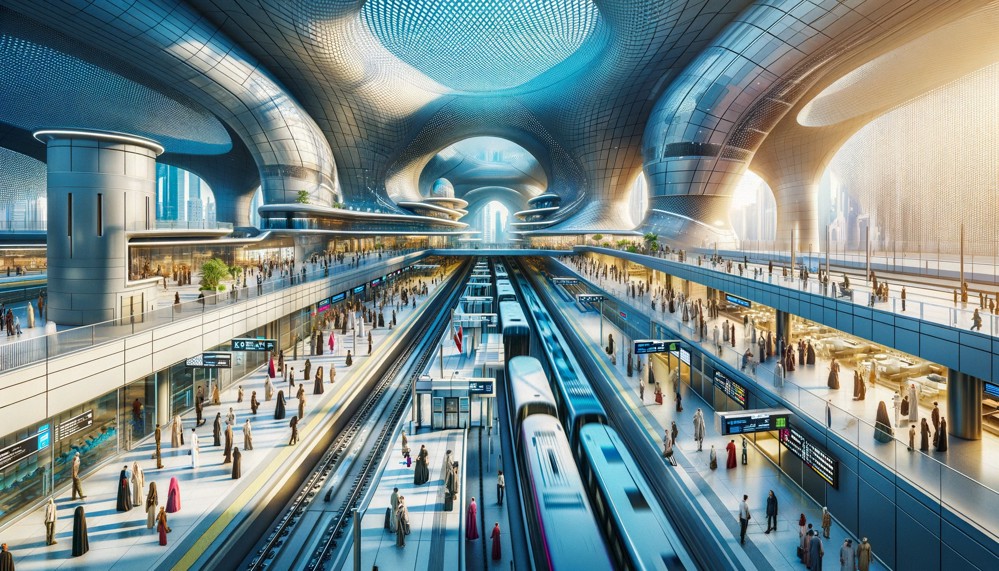
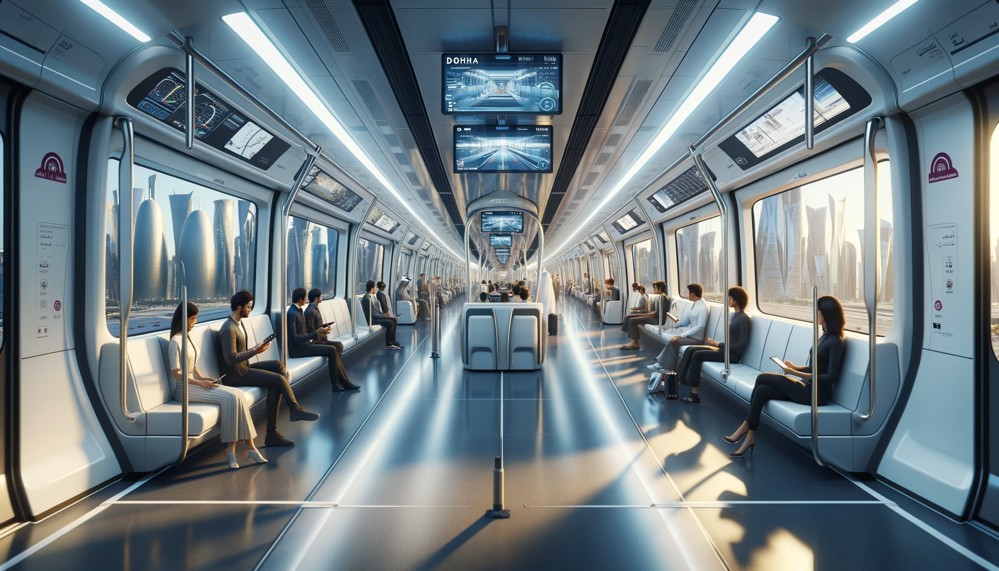
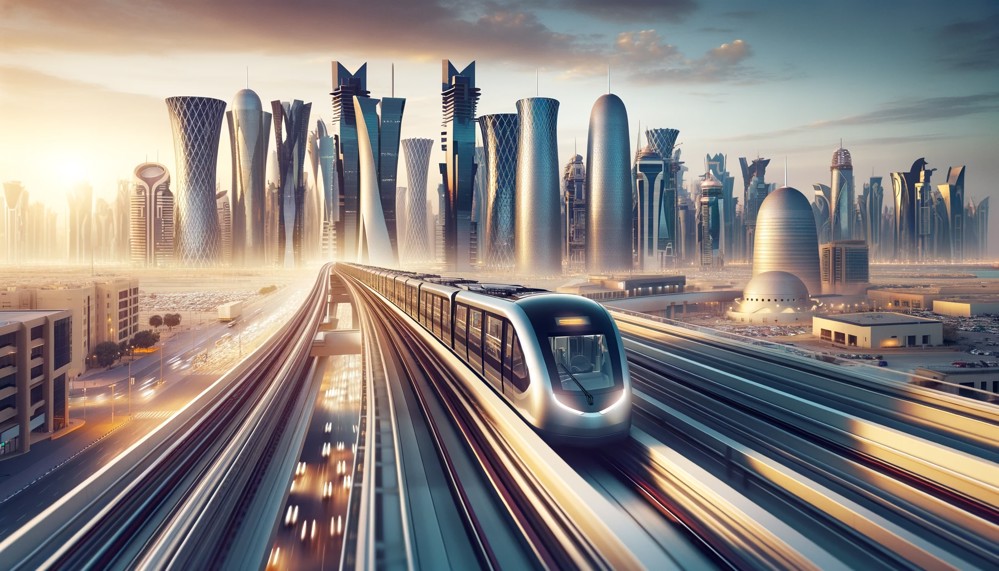
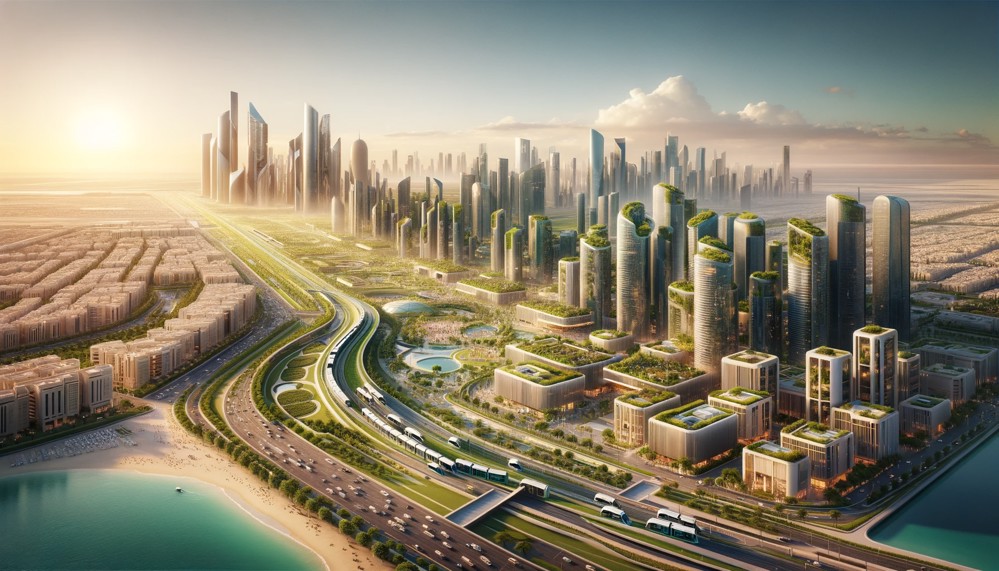
In the heart of the Arabian Gulf, the city of Doha, Qatar, is undergoing a remarkable transformation. The Doha Metro, a cutting-edge urban transportation system, is redefining the city's landscape and promising a future of efficient, sustainable, and accessible mobility. This ambitious project, initiated as part of Qatar's preparations for the 2022 FIFA World Cup, is set to revolutionize the way residents and visitors experience this vibrant Gulf metropolis. In this article, we will explore the prospects, challenges, financing, and the regional corporations behind the Doha Metro.
A Vision of Progress
Prospects
The Doha Metro project, the cornerstone of Qatar's efforts to modernize its infrastructure and promote sustainable urban living, offers a multitude of prospects:
Urban Connectivity
With a network comprising four major lines, the Doha Metro is set to enhance the city's urban connectivity. It will create a more integrated, efficient, and environmentally friendly public transportation system, making it easier for residents and visitors to navigate the city.
Environmental Sustainability
The metro's design prioritizes environmental sustainability. From energy-efficient trains to the incorporation of renewable energy sources, the Doha Metro is contributing to Qatar's commitment to a greener, more sustainable future.
Economic Growth
The project has already created numerous jobs, both directly and indirectly, through its construction, operation, and maintenance. The Doha Metro is not just a transportation network but also a source of economic growth, fostering job opportunities and attracting investment.
Quality of Life
The Doha Metro promises to enhance the quality of life for residents by reducing traffic congestion, air pollution, and travel times. It is a testament to Qatar's dedication to creating a more livable and welcoming city.
Navigating Challenges
Construction Complexity
The scale of the Doha Metro project presented significant challenges in terms of engineering, logistics, and management. The construction of tunnels, stations, and rail lines beneath the bustling city was a complex undertaking, requiring meticulous planning and execution.
Changing the Transportation Culture
Qatar has historically been an automobile-centric society. Encouraging a shift in transportation habits, from private cars to public transit, is a considerable challenge. Educating the public about the benefits of using the Doha Metro is crucial to its success.
Financing
Securing the necessary funding for the project, while ensuring that it stays within budget, is a continuous challenge. Qatar's economy faced headwinds due to the decline in oil prices, and the financial pressures resulting from the COVID-19 pandemic further complicated financing.
Financing the Future
Government Investment
The Qatari government has been the primary source of funding for the Doha Metro project. Qatar's commitment to modernization and infrastructure development is evident in its substantial financial support for this ambitious undertaking.
Public-Private Partnerships
To share the financial burden and leverage private sector expertise, Qatar has pursued public-private partnerships (PPP) for the project. These partnerships bring both financial support and specialized knowledge to ensure the project's success.
International Lending
Qatar has also secured loans from international financial institutions to finance the Doha Metro project. These institutions not only provide critical funding but also offer valuable experience in managing large-scale infrastructure projects.
Regional Corporations
Several regional corporations have been instrumental in shaping and advancing the Doha Metro project:
Qatar Rail
Qatar Rail, the state-owned railway company, is the driving force behind the Doha Metro project. They oversee all aspects of the project, from planning and construction to daily operations, ensuring that the metro becomes an integral part of Doha's transportation network.
Mitsubishi Heavy Industries
Mitsubishi Heavy Industries (MHI) is a prominent Japanese corporation that has played a key role in the Doha Metro project. They are responsible for supplying the metro's advanced rolling stock and signaling systems, ensuring the metro's safety and efficiency.
Qatari Diar
Qatari Diar, the real estate development arm of the Qatari government, is engaged in the urban development surrounding the Doha Metro stations. They aim to create vibrant and sustainable urban environments that complement the metro system, fostering urban growth and modernization.
In conclusion, the Doha Metro is not just a transportation project; it's a symbol of Qatar's vision for a modern, sustainable, and accessible city. Despite the challenges posed by its scale, changing transportation habits, and financing needs, the prospects for the Doha Metro are bright. With the support of the Qatari government, private investors, and the expertise of regional corporations, Doha is well on its way to becoming a model for urban transportation in the 21st century. As the Doha Metro project nears its completion, it symbolizes Qatar's unwavering commitment to innovation, modernization, and a dynamic future, setting the stage for a new era of urban development and mobility.


Leave a Comment
Be the first to share your thoughts on this article.
Post a Comment