
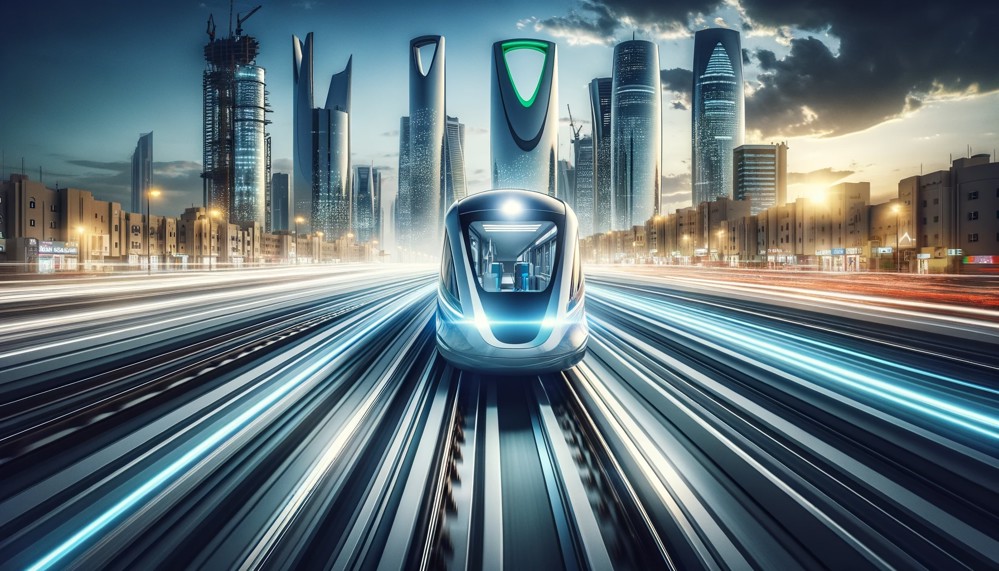
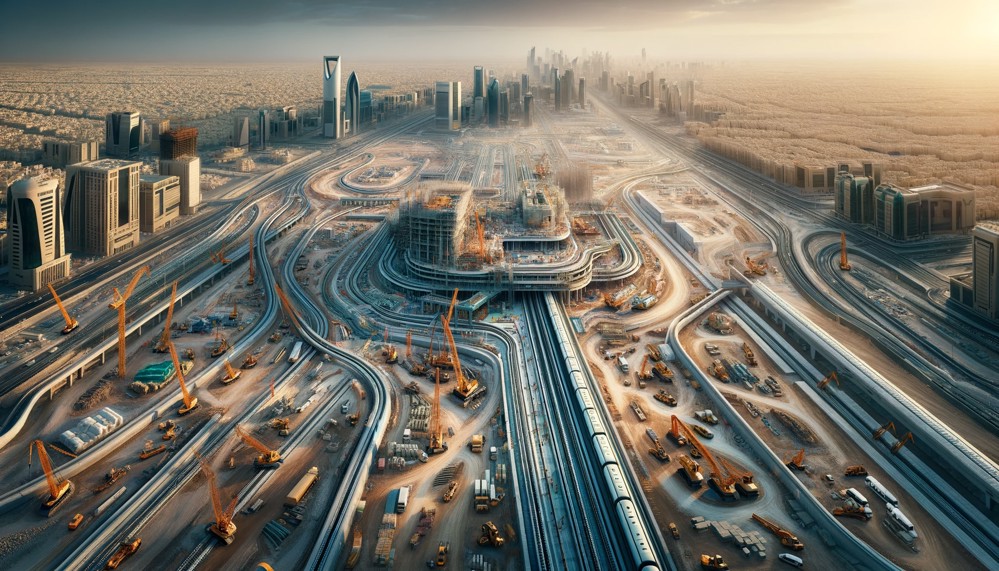
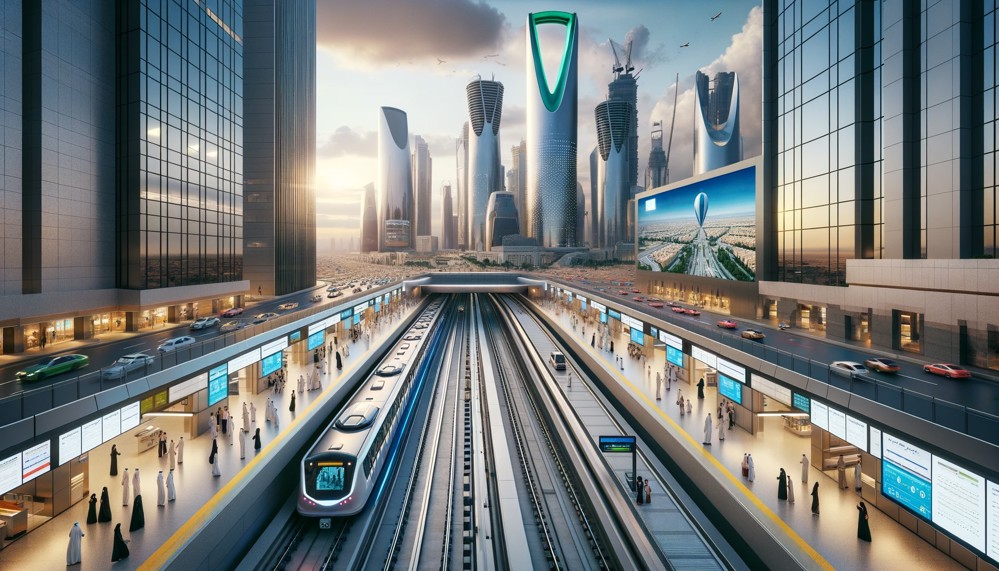
Saudi Arabia's capital, Riyadh, is on the cusp of a monumental transformation. The Riyadh Metro, an ambitious urban transportation project, is set to redefine the city's landscape, making it more accessible, sustainable, and cosmopolitan than ever before. In this article, we'll explore the prospects, challenges, financing, and the regional corporations involved in this groundbreaking project.
A Vision of Modernization
Prospects
The Riyadh Metro project, initially launched as part of Saudi Vision 2030, has far-reaching prospects for the city and the nation.
Urban Connectivity
One of the key promises of the Riyadh Metro is to create a seamless and efficient public transportation network. With six metro lines stretching over 176 kilometers, the metro system is set to connect major districts, business hubs, and residential areas. This will significantly reduce traffic congestion, ease commutes, and improve the overall quality of life for Riyadh's residents.
Environmental Sustainability
The metro's construction and operation prioritize sustainability. Energy-efficient trains, solar panels at stations, and the use of eco-friendly materials all contribute to the reduction of the city's carbon footprint. This aligns perfectly with Saudi Arabia's efforts to promote environmental responsibility.
Economic Growth
The Riyadh Metro project has already created thousands of jobs, from construction workers to engineers. As the metro becomes fully operational, it is expected to stimulate economic growth through increased accessibility, making it easier for businesses to thrive and attracting investment.
Enhanced Quality of Life
The introduction of a world-class metro system will make Riyadh an even more attractive place to live and work. With modern stations, comfortable train cars, and improved connectivity, the metro system promises to enhance the overall quality of life for the city's residents.
Navigating Challenges
Construction Complexity
The sheer scale of the Riyadh Metro project is an engineering marvel. The construction of tunnels, bridges, and elevated tracks in a bustling city like Riyadh presented logistical and engineering challenges. Avoiding disruption to daily life while creating a state-of-the-art metro system was a delicate balancing act.
Changing the Transportation Culture
Riyadh has been a car-centric city for decades, with limited public transportation options. One of the greatest challenges is encouraging a shift in the transportation culture. Convincing residents to leave their cars behind in favor of the metro requires effective marketing and education campaigns.
Funding and Budgetary Concerns
The Riyadh Metro project comes with a significant price tag. The government of Saudi Arabia has been the primary source of funding, but the challenge lies in ensuring that the project stays within budget while delivering on its promise of a world-class metro system.
Financing the Future
Government Investment
The Saudi Arabian government, through the Public Investment Fund (PIF), has played a pivotal role in financing the Riyadh Metro project. Billions of dollars have been allocated to construct the infrastructure, stations, and purchase the trains.
Public-Private Partnerships
To alleviate the financial burden on the government and ensure the project's success, Saudi Arabia has sought public-private partnerships (PPP). These partnerships include local and international investors, who contribute funds and expertise to the project.
International Lenders
In addition to PPPs, Saudi Arabia secured loans from international financial institutions, such as the World Bank and the Asian Infrastructure Investment Bank (AIIB). These funds have provided essential financial support for the Riyadh Metro.
Regional Corporations
Several regional corporations have been instrumental in shaping and advancing the Riyadh Metro project. These entities have provided both financial support and expertise to ensure the project's success.
Arriyadh Development Authority
The Arriyadh Development Authority (ADA) is the government entity responsible for planning, designing, and executing the Riyadh Metro project. It plays a pivotal role in coordinating the project's various components, from construction to daily operations.
Saudi Arabian Railway Company (SAR)
The Saudi Arabian Railway Company (SAR) operates the passenger and freight trains that complement the Riyadh Metro. It forms a critical link in the nation's broader transportation network.
Saudi Public Transport Company (SAPTCO)
The Saudi Public Transport Company (SAPTCO) is a key player in the Riyadh Metro project. It provides essential services, including buses and taxis, that complement the metro system, ensuring a seamless and integrated public transportation network for Riyadh.
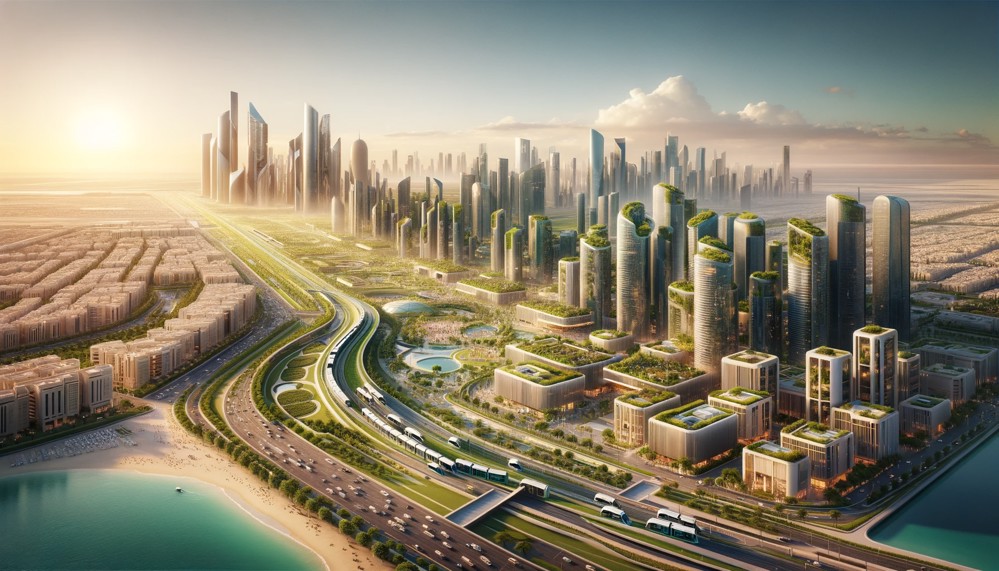
In conclusion, the Riyadh Metro is not merely a transportation project; it's a symbol of Saudi Arabia's commitment to modernization, environmental sustainability, and improved quality of life for its residents. While the challenges are substantial, the project's prospects for urban connectivity, economic growth, and environmental responsibility are even more significant. With government investment, public-private partnerships, and support from regional corporations, Riyadh is well on its way to becoming a model for urban transportation in the 21st century. As the Riyadh Metro project comes to fruition, it's poised to revolutionize the way people move in and around the city, setting the stage for a more accessible, efficient, and sustainable future.



Leave a Comment
Be the first to share your thoughts on this article.
Post a Comment