

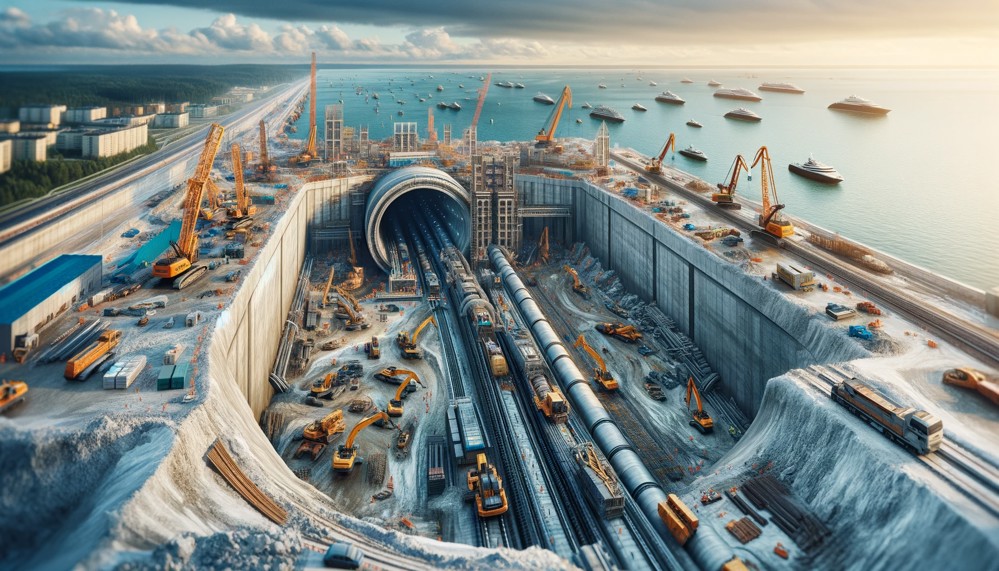
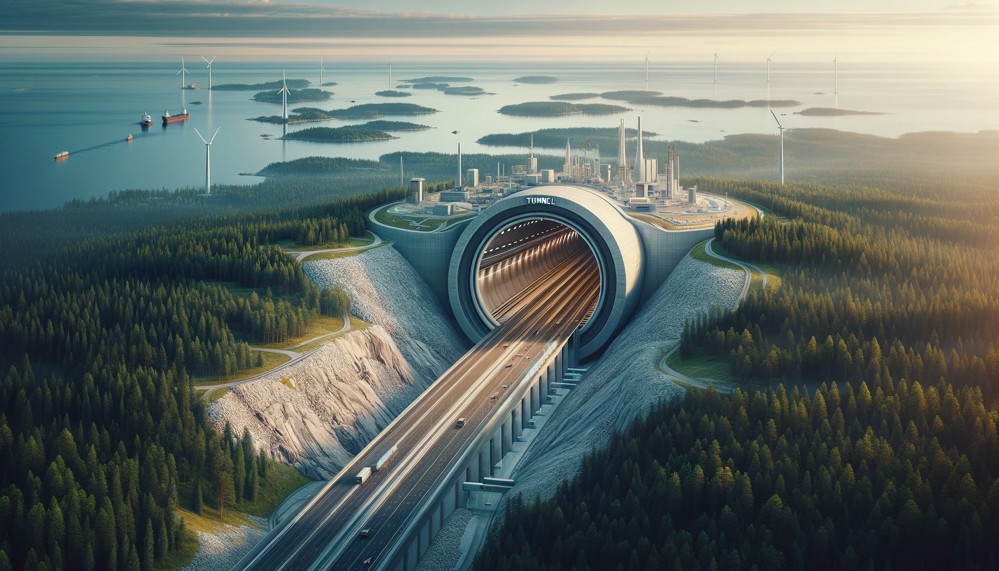
In the heart of the Baltic Sea, Finland and Estonia are embarking on an ambitious project that promises to redefine cross-border connectivity - the Helsinki-Tallinn Tunnel. This visionary endeavor envisions a submerged tunnel that will physically connect the two nations, fostering economic integration and promoting a shared future. In this article, we will dive deep into the prospects, challenges, financing, and the regional corporations that are shaping this monumental project's future.
Prospects: A Submerged Passage to Prosperity
The Helsinki-Tallinn Tunnel is a transformative project, offering a multitude of exciting prospects:
1. Unprecedented Connectivity
The tunnel aims to create an unparalleled transportation link between Finland and Estonia, significantly reducing travel times and fostering economic growth in the region.
2. Economic Growth and Trade Facilitation
The improved connectivity will open new doors for trade between the two countries, promoting economic growth, job opportunities, and regional development.
3. Environmental Benefits
The tunnel envisions being an environmentally friendly option, reducing the carbon footprint of ferry journeys and providing sustainable transportation alternatives.
4. Tourism and Cultural Exchange
The project will promote tourism and cultural exchange, making it easier for visitors to explore the rich heritage and attractions of both nations.
Challenges: Navigating the Depths of Complexity
While the prospects are exciting, the Helsinki-Tallinn Tunnel project faces several challenges:
1. Financing and Cost Management
The scale of the project demands meticulous financial planning and cost management to ensure it remains within budget.
2. Engineering and Technical Complexities
Constructing and maintaining a submerged tunnel demands intricate engineering and coordination to ensure the system operates safely and efficiently.
3. Environmental Concerns
The tunnel passes through sensitive environmental areas in the Baltic Sea, necessitating careful planning, wildlife protection, and environmental mitigation.
4. Legal and Regulatory Hurdles
Coordinating legal requirements, regulations, and standards between two nations can be a complex task, demanding diplomatic skill and international cooperation.
Financing: Diving into the Depths of Investment
The financing of the Helsinki-Tallinn Tunnel comes from various sources:
1. Government Funding
Both the Finnish and Estonian governments have been major contributors to the financing of the project, investing in its planning, development, and construction.
2. European Union Support
The European Union has provided financial support for the project as part of its broader strategy to improve transportation and connectivity across member states.
3. Bonds and Loans
To secure additional funding, the project has leveraged bonds and secured loans, bringing in private-sector investors and institutional support.
4. Public-Private Partnerships (PPPs)
Public-private partnerships play a substantial role in financing and operating the project, sharing the responsibilities and risks between the governments and private entities.
Regional Corporations: Sailing into the Future
Several regional corporations and organizations are pivotal in the development of the Helsinki-Tallinn Tunnel:
1. FinEst Bay Area Development
FinEst Bay Area Development is the company responsible for planning, developing, and promoting the project. It plays a crucial role in coordinating the various aspects of the tunnel.
2. Construction and Engineering Giants
Major construction and engineering corporations such as YIT, Skanska, and COWI have been heavily involved in the construction and development of the Helsinki-Tallinn Tunnel.
3. Environmental and Marine Organizations
Environmental and marine organizations are vital in ensuring that the tunnel project respects the sensitive ecosystem of the Baltic Sea.
4. Port Operators and Shipping Companies
Port operators and shipping companies will play a pivotal role in integrating the tunnel into the broader transportation and logistics network in the region.
In conclusion, the Helsinki-Tallinn Tunnel is not just a tunnel; it's a symbol of unity, progress, and connectivity for Finland and Estonia. Despite challenges related to financing, technical complexities, and environmental concerns, the prospects of enhanced connectivity, economic growth, and environmental benefits make this project highly promising. With regional corporations, government support, and international involvement, the Helsinki-Tallinn Tunnel is poised to reshape cross-border connectivity in the Baltic Sea, fostering economic development and providing a faster, more efficient way for people and goods to cross between Finland and Estonia. As this transformative project continues to make waves, it stands as a beacon of the Baltic nations' dedication to progress, innovation, and unity, promising a brighter and more connected future for the region.




Leave a Comment
Be the first to share your thoughts on this article.
Post a Comment