
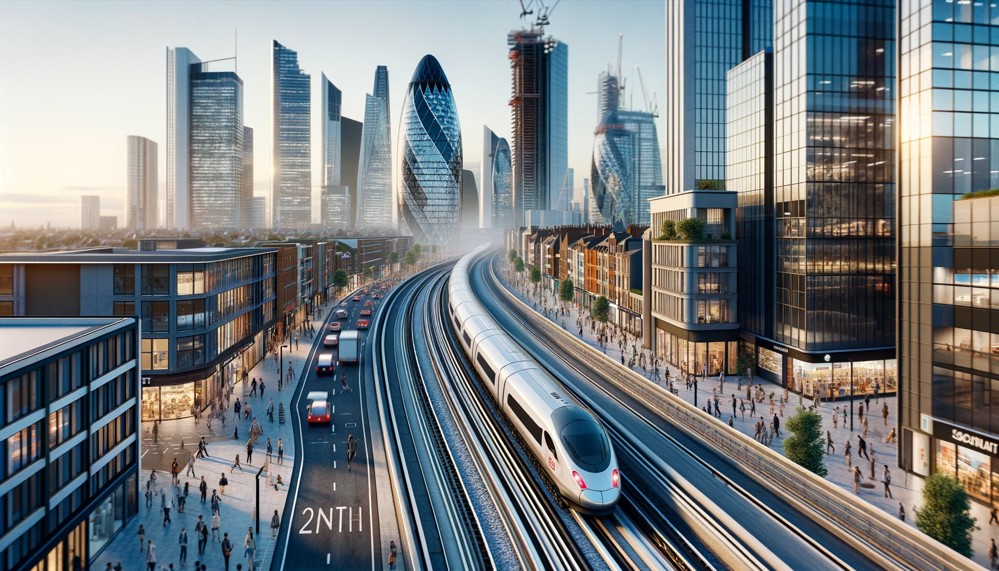
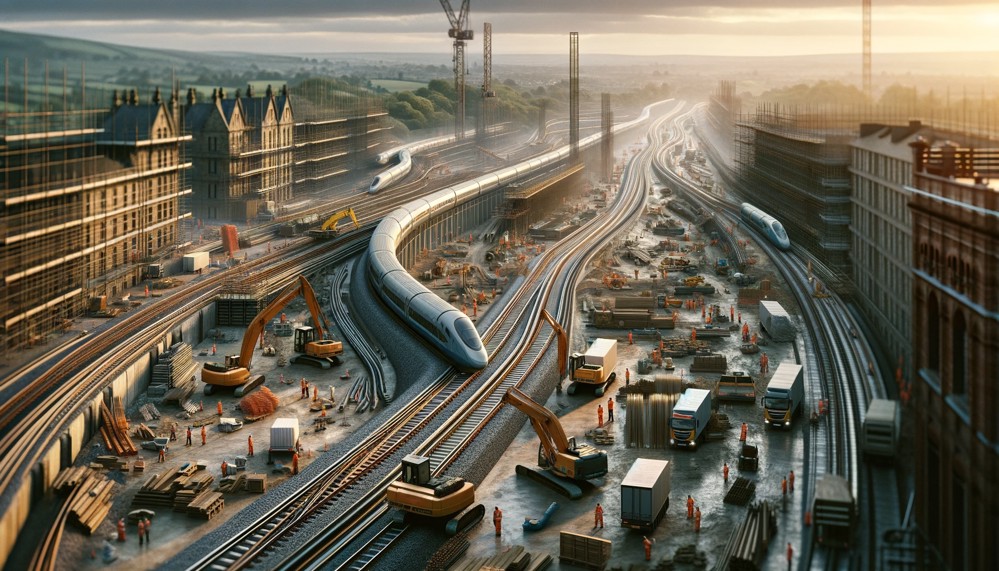
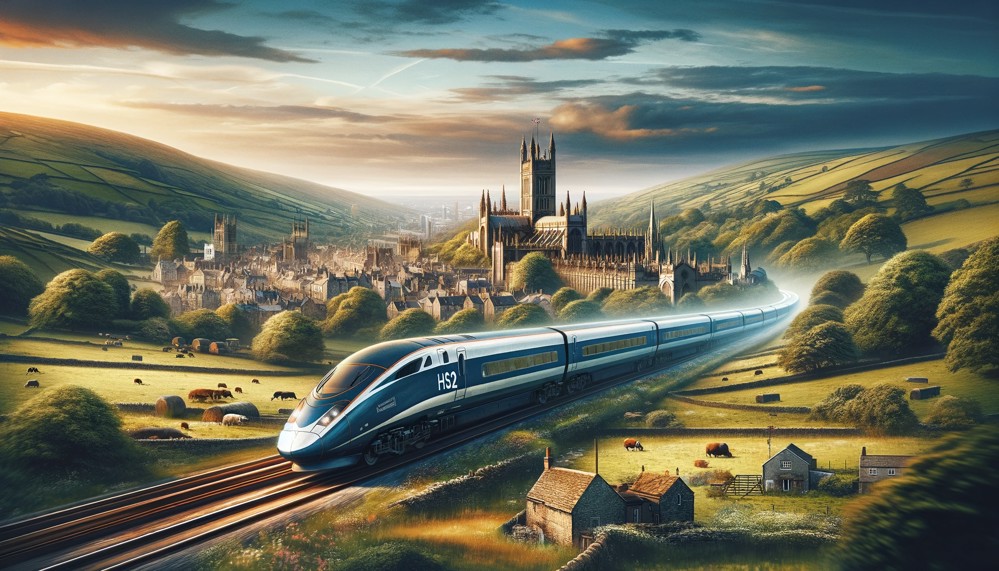
The United Kingdom is poised for a transport revolution with the High-Speed 2 (HS2) Railway. This ambitious rail project promises to redefine Britain's rail network, connecting major cities, reducing travel times, and boosting economic growth. In this article, we'll embark on a journey through the prospects, challenges, financing, and the regional corporations shaping the future of the UK through HS2.
Prospects: A Fast Track to Economic Growth
The HS2 Railway is a transformative project, offering a multitude of prospects:
1. Reduced Travel Times
HS2 is set to significantly reduce travel times between major UK cities. London to Birmingham, the initial phase, will be cut from 1 hour 21 minutes to just 52 minutes.
2. Economic Growth
The project is expected to stimulate economic growth by improving connectivity, making regions more accessible, and fostering business development and job creation.
3. Environmental Benefits
HS2 aims to be eco-friendly, with a focus on electrification, reducing carbon emissions, and decreasing road traffic by offering a more efficient and sustainable travel alternative.
4. Urban Development and Regeneration
The new rail network will promote urban development and regeneration, providing opportunities for property developers and infrastructure companies.
Challenges: Navigating the Tracks of Complexity
While the prospects are enticing, the HS2 Railway faces various challenges:
1. Financing and Cost Management
The scale of the project's funding demands precise cost management and balancing budgets to ensure it remains within its allocated budget.
2. Environmental Concerns
HS2 traverses through sensitive environmental areas. Balancing infrastructure development with environmental conservation and protection is a complex task.
3. Land Acquisition and Compensation
The process of acquiring land and compensating affected property owners is often a contentious issue and can lead to delays and disputes.
4. Engineering and Technical Complexities
HS2's construction and maintenance require meticulous engineering to ensure smooth operations and passenger safety.
Financing: On the Right Track
The financing of the HS2 Railway comes from a blend of sources:
1. Government Funding
The UK government has been a significant contributor to the financing of the HS2 Railway project, investing in its planning and development.
2. Private Investment
HS2 has attracted interest from private sector investors who have provided substantial financial support.
3. Public-Private Partnerships (PPPs)
PPPs play a substantial role in financing and operating the project, sharing the responsibilities and risks between the government and private entities.
4. Bonds and Loans
To secure additional funding, the project proponents have issued bonds and secured loans, bringing in institutional investors and private sector partners.
Regional Corporations: Driving Development on Rails
Several regional corporations and organizations are pivotal in the development of the HS2 Railway:
1. High-Speed Two (HS2) Limited
HS2 Limited is the government-owned company responsible for planning, developing, and promoting the project. It plays a crucial role in coordinating the project's various aspects.
2. Infrastructure Companies
Major infrastructure corporations such as Skanska, Balfour Beatty, and Laing O'Rourke are actively involved in the construction and development of the HS2 Railway.
3. Urban Developers
Real estate developers like Barratt Developments and Crest Nicholson are seizing the opportunities created by the project to invest in urban development and regeneration.
4. International Partners
International engineering and construction companies from countries like France and Germany have contributed to the project's development, bringing technical expertise and best practices.
In conclusion, the HS2 Railway is not just a rail line; it's a symbol of progress and connectivity for the United Kingdom. Despite challenges related to financing, environmental concerns, and engineering complexities, the prospects of reduced travel times, economic growth, and environmental benefits make this project highly promising. With regional corporations, government agencies, and international involvement, the HS2 Railway is poised to reshape Britain's transport landscape, foster economic development, and provide a faster and more sustainable way to travel between cities. As this transformative project continues to gain momentum, it stands as a beacon of Britain's commitment to progress, innovation, and connectivity.




Leave a Comment
Be the first to share your thoughts on this article.
Post a Comment