


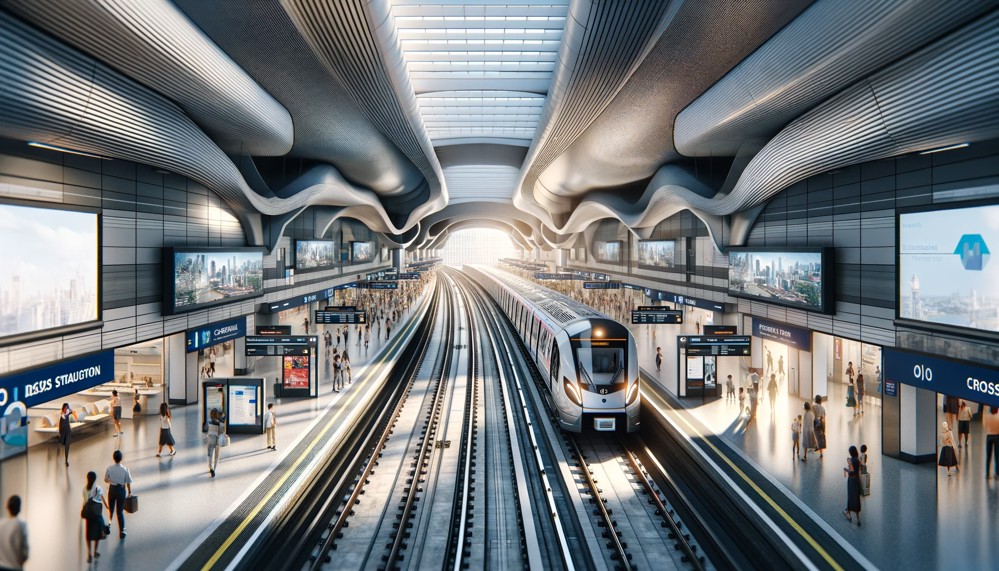
London, a city known for its rich history and vibrant culture, is in the midst of a transformative journey with Crossrail, also known as the Elizabeth Line. This ambitious rail project promises to revolutionize London's transportation, connecting the city more efficiently, and stimulating economic growth. In this article, we will explore the prospects, challenges, financing, and the regional corporations that are shaping the future of the UK capital through the Elizabeth Line.
Prospects: A New Dawn for London's Transport
The Elizabeth Line is a transformative project, offering a multitude of exciting prospects:
1. Enhanced Connectivity
The project aims to bring enhanced connectivity, reducing travel times and making the capital more accessible, ultimately fostering economic growth and urban development.
2. Economic Growth
By improving transportation links, the line is expected to stimulate economic growth, attracting investment, and creating job opportunities.
3. Commuter Convenience
The line will provide commuters with a more efficient and time-saving means of traveling in and around London, reducing congestion and the burden on existing transport systems.
4. Urban Development
The project opens the door to urban development opportunities, including residential and commercial properties, which are likely to boost the real estate sector in London.
Challenges: Navigating London's Complexities
While the prospects are exciting, the Elizabeth Line faces various challenges:
1. Financing and Cost Management
The scale of the project requires precise financial planning and cost management to ensure it remains within budget.
2. Technical Complexities
Constructing and maintaining the line demands meticulous engineering and coordination to ensure the system runs smoothly and safely.
3. Environmental Concerns
The line passes through sensitive environmental areas, which necessitates careful planning and measures to protect these ecosystems.
4. Urban Planning and Land Use
Coordinating land acquisition and urban planning can be a complex task, as it often involves disputes and a thorough understanding of local regulations and requirements.
Financing: Keeping London on Track
The financing of the Elizabeth Line comes from various sources:
1. Government Funding
The UK government has been a major contributor to the financing of the Elizabeth Line, investing in its planning and development.
2. Bonds and Loans
To secure additional funding, the project has leveraged bonds and secured loans, bringing in private sector investors and institutional support.
3. Public-Private Partnerships (PPPs)
Public-Private Partnerships play a substantial role in financing and operating the project, sharing the responsibilities and risks between the government and private entities.
4. International Investment
International investment has played a pivotal role in funding the project, as it offers long-term economic growth and connectivity benefits for London.
Regional Corporations: Shaping London's Future
Several regional corporations and organizations are pivotal in the development of the Elizabeth Line:
1. Crossrail Limited
Crossrail Limited is the government-owned company responsible for planning, developing, and promoting the project. It plays a crucial role in coordinating the various aspects of the line.
2. Construction Companies
Major construction and engineering corporations such as Bechtel, Bam Nuttall, and Ferrovial Agroman have been heavily involved in the construction and development of the Elizabeth Line.
3. Real Estate Developers
Real estate developers like Canary Wharf Group and British Land have been actively investing in urban development and regeneration projects along the line.
4. Transport Operators
Transport operators like Transport for London (TfL) are instrumental in the operation and management of the line, ensuring its efficiency and safety.
In conclusion, the Elizabeth Line is not just a railway; it's a symbol of London's commitment to progress and connectivity. Despite challenges related to financing, technical complexities, and environmental concerns, the prospects of enhanced connectivity, economic growth, and urban development make this project highly promising. With regional corporations, government support, and international involvement, the Elizabeth Line is poised to reshape London's transport landscape, fostering economic development and providing a faster and more efficient way for Londoners to move around the city. As this transformative project continues to roll out, it stands as a beacon of London's dedication to progress, innovation, and connectivity, promising a brighter future for the capital.




Leave a Comment
Be the first to share your thoughts on this article.
Post a Comment