

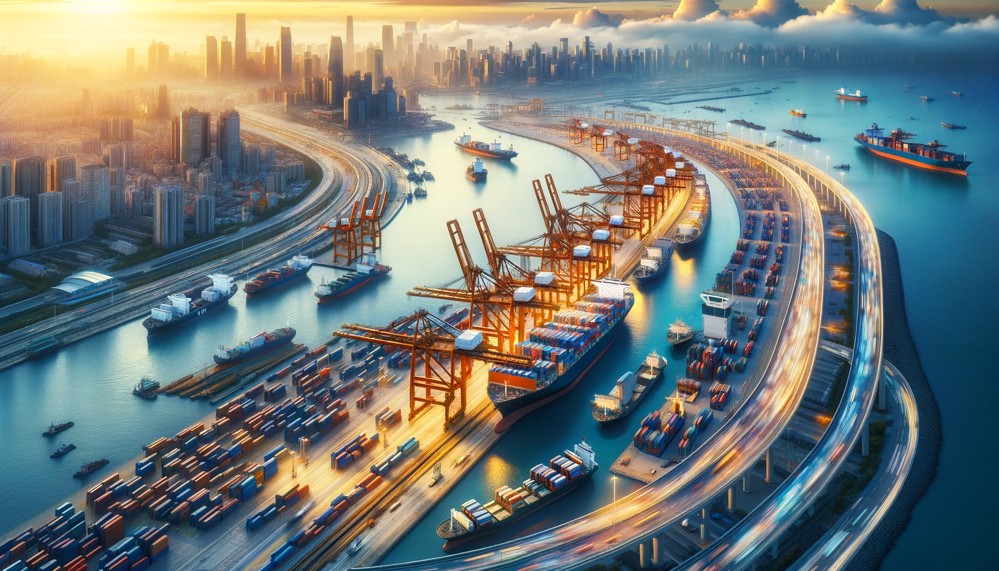

In the heart of Asia, a visionary project is reshaping the world's economic landscape—the Belt and Road Initiative. This ambitious undertaking, often referred to as the New Silk Road, aims to connect countries and regions across three continents, stimulating trade, fostering economic growth, and enhancing global connectivity. The Belt and Road Initiative is a symbol of China's commitment to modernize infrastructure, forge international partnerships, and create a more interconnected world. In this article, we will explore the prospects, challenges, financing, and the regional corporations involved in this monumental regional project.
A Vision of Global Connectivity
Prospects
The Belt and Road Initiative is not just a series of roads and railways; it embodies a vision of global connectivity, economic development, and enhanced cooperation:
Trade Expansion
At its core, the initiative aims to stimulate trade expansion by connecting Asia, Europe, and Africa. By creating a vast network of transport corridors, it reduces transportation costs and fosters the growth of commerce.
Economic Growth
The construction and operation of infrastructure under the initiative stimulate economic growth. It generates jobs, attracts investment, and contributes to the development of industries related to trade, transportation, and logistics.
Cultural Exchange
The Belt and Road Initiative fosters cultural exchange by connecting diverse countries and regions. It promotes a sense of unity and understanding between nations and people from different backgrounds.
Technological Advancements
The project is driven by modern technology, including digital infrastructure and renewable energy, setting new standards for regional development.
Navigating Challenges
Geopolitical Complexities
The Belt and Road Initiative faces geopolitical challenges, with some countries concerned about debt burdens, transparency, and political influence. Navigating these complexities requires diplomatic finesse and international cooperation.
Environmental Impact
The development of such a massive infrastructure network raises concerns about its environmental impact, including land use, emissions, and habitat destruction. Balancing growth with sustainability is a critical challenge.
Financing and Debt Management
Securing funding for the initiative's diverse projects while ensuring fiscal responsibility is a significant challenge. The financial and economic stability of participating countries plays a pivotal role in debt management.
Financing the Vision
Government Investment
The Chinese government is a primary source of funding for the Belt and Road Initiative. China views the project as a strategic investment in regional connectivity, economic growth, and international cooperation.
International Cooperation
China has sought international cooperation with participating countries, global financial institutions, and multinational organizations. This collaboration not only provides additional funding but also encourages a more inclusive and cooperative approach to regional development.
Public-Private Partnerships
The Belt and Road Initiative has also pursued public-private partnerships (PPP) for various components of the project. These collaborations enable the private sector to share the financial burden and contribute specialized expertise.
Regional Corporations
Several regional corporations have played pivotal roles in shaping and advancing the Belt and Road Initiative:
China Communications Construction Company (CCCC)
CCCC, a leading Chinese engineering and construction firm, has been involved in various projects under the Belt and Road Initiative. Their extensive experience in large-scale infrastructure development is pivotal to the project's success.
China Railway Construction Corporation (CRCC)
CRCC, another major Chinese corporation, plays a key role in the construction of railways and transportation infrastructure in countries along the Belt and Road. Their expertise in railway construction and technology contributes to the initiative's success.
Industrial and Commercial Bank of China (ICBC)
ICBC, one of China's largest banks, has played a significant role in financing projects under the initiative. Their financial expertise ensures that necessary funds are available for the development of infrastructure and connectivity.
In conclusion, the Belt and Road Initiative is not just a regional project; it's a symbol of China's commitment to global connectivity, economic growth, and enhanced cooperation. Despite the challenges posed by geopolitical complexities, environmental concerns, and financing needs, the prospects for the Belt and Road Initiative are significant. With the support of the Chinese government, international partners, and the expertise of regional corporations, the initiative is well on its way to realizing its vision of connecting countries, fostering economic growth, and enhancing cultural exchange. As the Belt and Road Initiative continues to reshape the global economic landscape and create a more interconnected world, it symbolizes China's unwavering commitment to progress, cooperation, and a future where regional development leads to shared prosperity and a more integrated world.



Leave a Comment
Be the first to share your thoughts on this article.
Post a Comment