
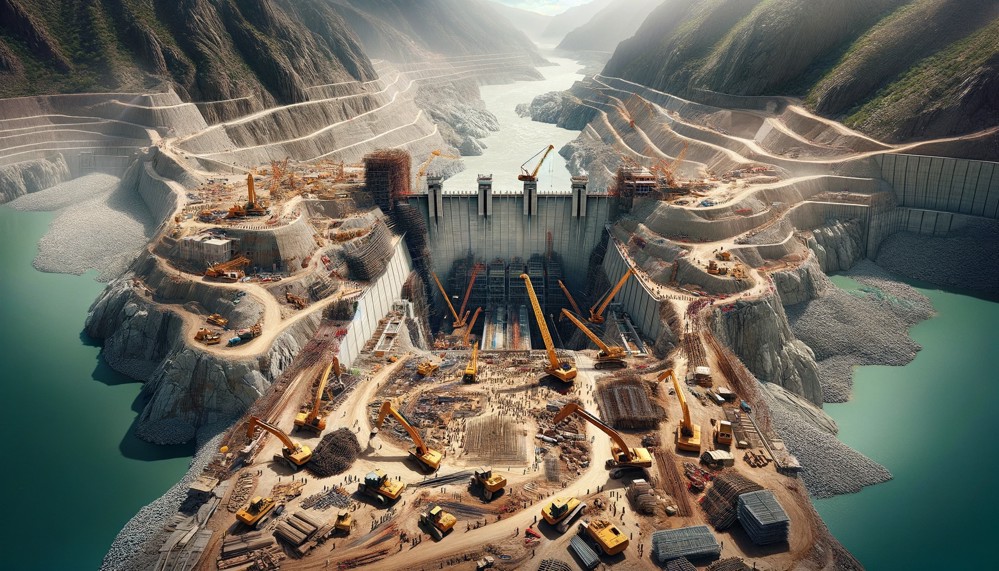
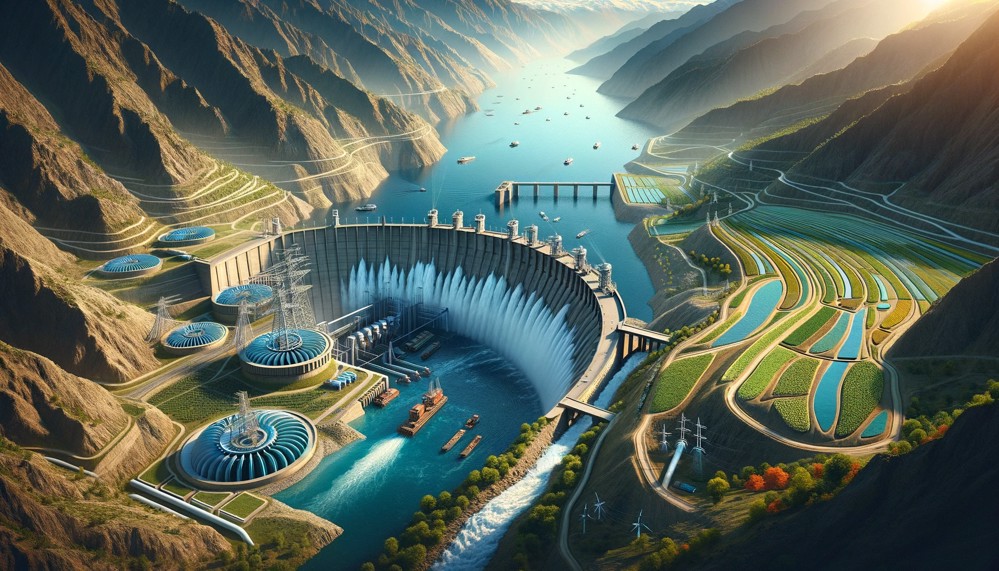
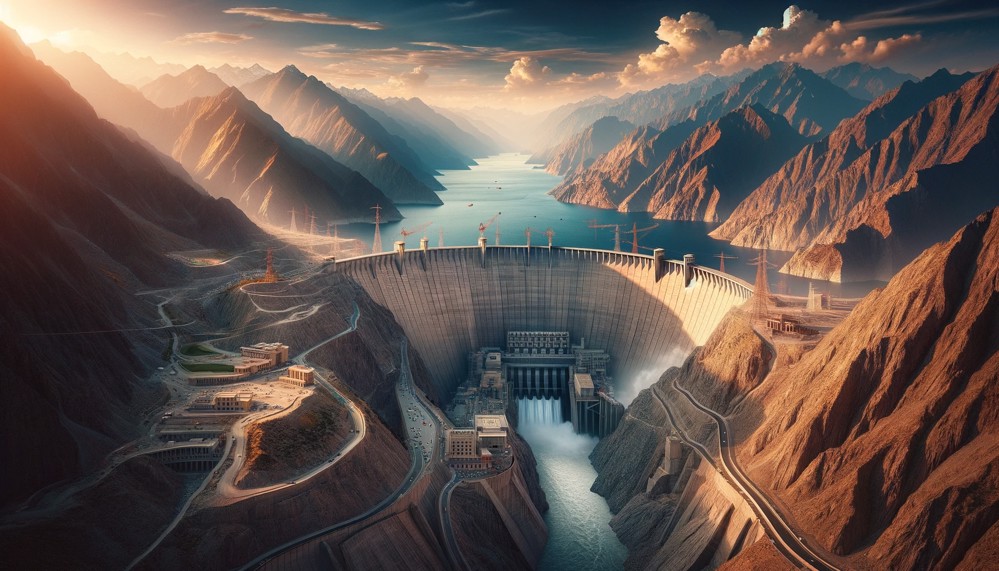
In the heart of Pakistan's rugged landscapes and pristine valleys, a monumental engineering project is taking shape - the Diamer-Bhasha Dam. This ambitious endeavor not only promises to resolve Pakistan's pressing water and energy woes but also ushers in the prospects of economic growth and regional development. This article takes you on a journey through the prospects, challenges, financing, and the regional corporations that are shaping the future of Pakistan through the Diamer-Bhasha Dam.
Prospects: Nurturing Growth in the Land of Rivers
The Diamer-Bhasha Dam is a beacon of hope for Pakistan, offering a multitude of exciting prospects:
1. Water Security
Pakistan faces chronic water shortages, especially during the dry summer months. The dam will significantly boost the country's water storage capacity, ensuring a consistent supply for agriculture and consumption.
2. Hydropower Generation
The dam is set to generate a substantial amount of electricity, easing the country's energy crisis and boosting industrial and economic development.
3. Agriculture and Food Security
By providing a reliable water supply for irrigation, the dam will lead to an increase in agricultural productivity, bolstering food security and rural development.
4. Employment and Regional Development
The construction and operation of the dam will create job opportunities and stimulate regional development in the Diamer district and surrounding areas.
Challenges: Navigating Rough Waters
While the prospects are promising, the Diamer-Bhasha Dam project faces several challenges:
1. Funding and Financing
The scale of the project demands substantial financial backing. Securing the required funding is an intricate task that requires the cooperation of international agencies, banks, and the government.
2. Environmental Impact
Large-scale dam construction can have significant environmental impacts, including changes to local ecosystems and habitats, necessitating environmental assessments and mitigation measures.
3. Geological and Technical Complexities
The dam's location in a seismically active region poses engineering challenges, including ensuring its stability and safety under all conditions.
4. Land Acquisition and Relocation
Acquiring land for the dam and resettling affected communities are complex processes, often fraught with legal and social challenges.
Financing: Building the Foundations of Progress
The financing of the Diamer-Bhasha Dam project involves a blend of sources:
1. Government Investment
The Government of Pakistan has been a major contributor to the financing of the dam, providing substantial funds for the project's development and construction.
2. International Aid and Investment
To meet the colossal financial requirements, Pakistan has sought international aid and investment. Countries like China have pledged substantial support for the dam.
3. Public-Private Partnerships (PPPs)
The project employs PPP models to attract private-sector investment. This approach shares the risks and responsibilities between the government and private entities.
4. Bonds and Loans
In addition to grants and investment, Pakistan also leverages bonds and loans to finance various aspects of the dam.
Regional Corporations: Pioneering Progress
Several regional corporations and organizations play pivotal roles in the development of the Diamer-Bhasha Dam:
1. Water and Power Development Authority (WAPDA)
WAPDA is the primary agency responsible for planning and overseeing the Diamer-Bhasha Dam project. It plays a crucial role in coordinating activities, attracting investment, and ensuring timely execution.
2. Frontier Works Organization (FWO)
FWO, a branch of the Pakistani military, is actively engaged in the construction of the dam, including the excavation of tunnels and the development of infrastructure.
3. Local Construction Companies
Local construction giants such as Descon and NESPAK are involved in various aspects of the project, contributing to the construction and development of the dam.
4. International Engineers and Experts
International organizations and engineering companies from countries such as China and the United States bring technical expertise and best practices to the project.
In conclusion, the Diamer-Bhasha Dam represents Pakistan's vision for water security, energy sustainability, and economic growth. Despite challenges related to financing, environmental impact, and engineering complexities, the prospects of water security, hydropower generation, and regional development make this megaproject indispensable for Pakistan's future. With regional corporations, government agencies, and international involvement, the Diamer-Bhasha Dam is poised to reshape the country's landscape, foster economic development, and ensure a brighter and more prosperous future for Pakistan and its people. As this ambitious dam continues to rise, it stands as a symbol of progress and hope in a land of rivers and possibilities.




Leave a Comment
Be the first to share your thoughts on this article.
Post a Comment