
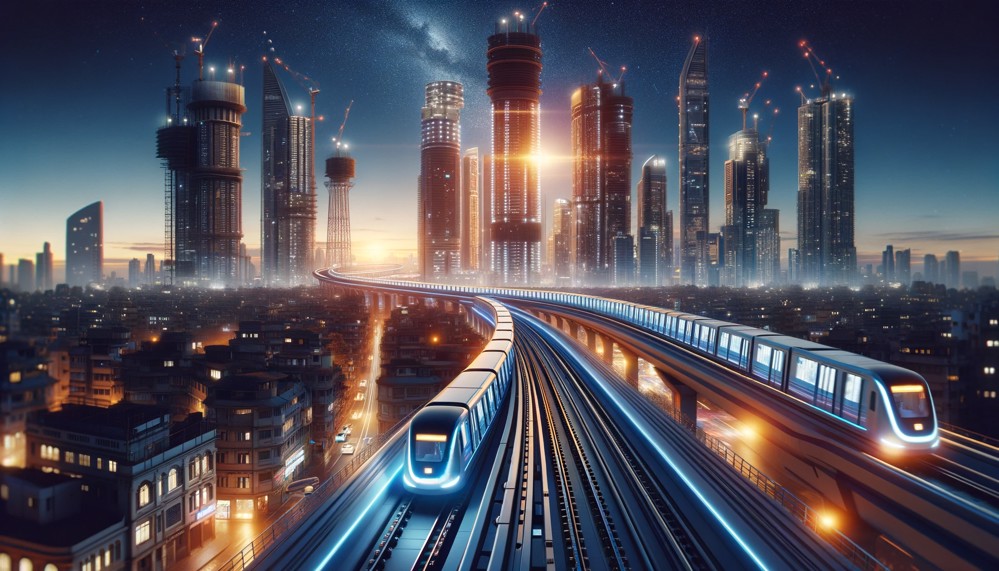
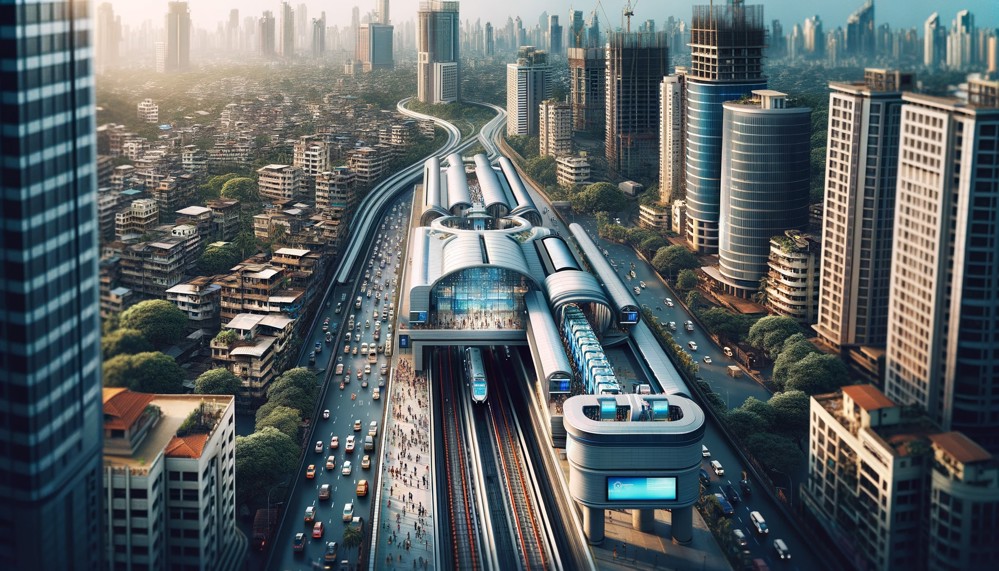
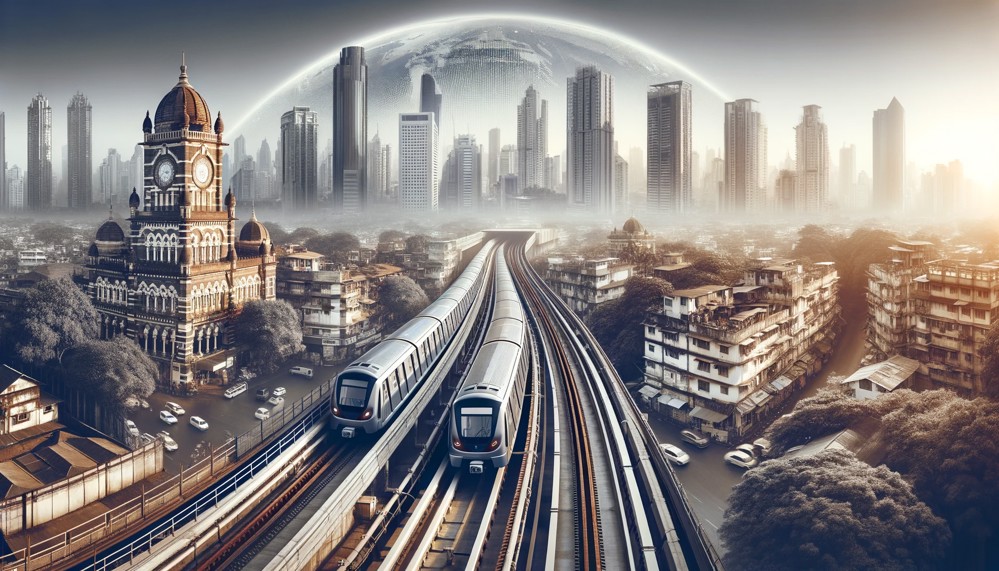
Mumbai, the bustling metropolis that never sleeps, is gearing up for a transformative change in its urban transportation landscape. The Mumbai Metro Line 3, also known as the Colaba-Bandra-SEEPZ Line, is an ambitious endeavor that promises to alleviate the city's traffic congestion, provide environmental benefits, and set a new standard for urban connectivity. This article delves into the prospects, challenges, financing, and the regional corporations driving this mega-project in India's financial capital.
Prospects: The Promise of Mumbai Metro Line 3
Mumbai Metro Line 3 offers a plethora of exciting prospects for the city and its residents:
1. Relief from Traffic Congestion
Mumbai is notorious for its traffic snarls, and Line 3 is expected to be a game-changer. It aims to provide an efficient and time-saving mode of transportation that will significantly reduce road traffic, contributing to reduced commute times and better quality of life.
2. Environmental Benefits
The metro project aligns with environmental goals, aiming to reduce the carbon footprint by promoting public transport. It will help curb air pollution and greenhouse gas emissions, enhancing Mumbai's air quality and contributing to a greener urban environment.
3. Economic Growth
Mumbai Metro Line 3 has the potential to spur economic growth. By connecting vital business districts, it facilitates faster and smoother movement of people, leading to enhanced productivity and better access to job opportunities.
4. Urbanization and Real Estate Growth
The metro line is set to influence the city's urbanization and real estate dynamics. Areas along the route will likely see a surge in property values, and urban development will intensify, making room for smart city planning.
Challenges: Navigating the Roadblocks
While the prospects are enticing, the Mumbai Metro Line 3 project is not without its share of challenges:
1. Land Acquisition
Acquiring land for the construction of the metro has been a contentious issue. The process involves complex negotiations, compensation debates, and resettlement concerns.
2. Financial Viability
The project's enormous financial requirements pose a significant challenge. Securing funds for construction, operation, and maintenance necessitates a well-coordinated effort.
3. Engineering and Technical Complexities
Line 3 passes beneath the city's congested urban landscape and navigates through geological challenges, including a series of tunnels. The construction demands meticulous engineering and constant risk management.
4. Disruptions During Construction
The construction process, with its excavation and tunnelling, will inevitably cause disruptions and inconveniences to the residents and businesses along the route.
Financing: The Lifeblood of the Project
Mumbai Metro Line 3's financing is an amalgamation of different sources:
1. Government Funding
The Government of Maharashtra and the Indian central government have played a significant role in financing the project. They provide grants, subsidies, and loans to support the construction.
2. International Assistance
The project has attracted international financial institutions and foreign governments to provide aid and investments. Organisations like the Japan International Cooperation Agency (JICA) have been instrumental in funding the metro line.
3. Public-Private Partnerships (PPPs)
Public-Private Partnerships are another key source of financing. They bring private sector expertise, investment, and management into the project.
4. Fare Revenues and Ancillary Income
Once operational, fare revenues from passengers and income from ancillary services like advertising, retail, and property development will provide a steady stream of income for the project's sustainability.
Regional Corporations: Leading the Charge
Several regional corporations are driving the development of Mumbai Metro Line 3:
1. Mumbai Metro Rail Corporation (MMRC)
MMRC is the implementing agency responsible for the planning, execution, and operation of Line 3. It plays a pivotal role in coordinating the various elements of the project.
2. Maharashtra State Government
The Maharashtra State Government is a key stakeholder in the project's financing and governance, providing essential financial support and regulatory oversight.
3. International Players
International organizations and corporations, such as JICA, Siemens, and Alstom, are involved in supplying the technical know-how, infrastructure, and components necessary for the project's execution.
4. Local Real Estate Developers
Real estate developers, including the likes of the Godrej Group, have seized the opportunity to capitalize on the project's growth potential. They are active participants in the development of commercial and residential properties along the metro route.
In conclusion, Mumbai Metro Line 3 is a transformative project with the potential to redefine urban transportation and lifestyle in the city. Despite the challenges of land acquisition, financing, and technical complexities, the prospects of reduced traffic congestion, improved environmental conditions, and economic growth are compelling. With regional corporations like MMRC, state government support, and international involvement, the metro line's completion is in sight, and Mumbai eagerly anticipates a brighter, greener, and more connected future.


Leave a Comment
Be the first to share your thoughts on this article.
Post a Comment