
In the heart of India, a colossal transformation is underway that promises to reshape the country's economic landscape. The Delhi-Mumbai Industrial Corridor (DMIC), a megaproject that traverses the entire length of the nation, is poised to usher in a new era of industrialization and economic prosperity. This article delves into the prospects, challenges, financing, and the regional corporations that are at the forefront of this ambitious endeavor.
Prospects: The Dawn of a New Economic Era
The DMIC holds immense promise for India and its people, offering a multitude of prospects:
1. Economic Growth
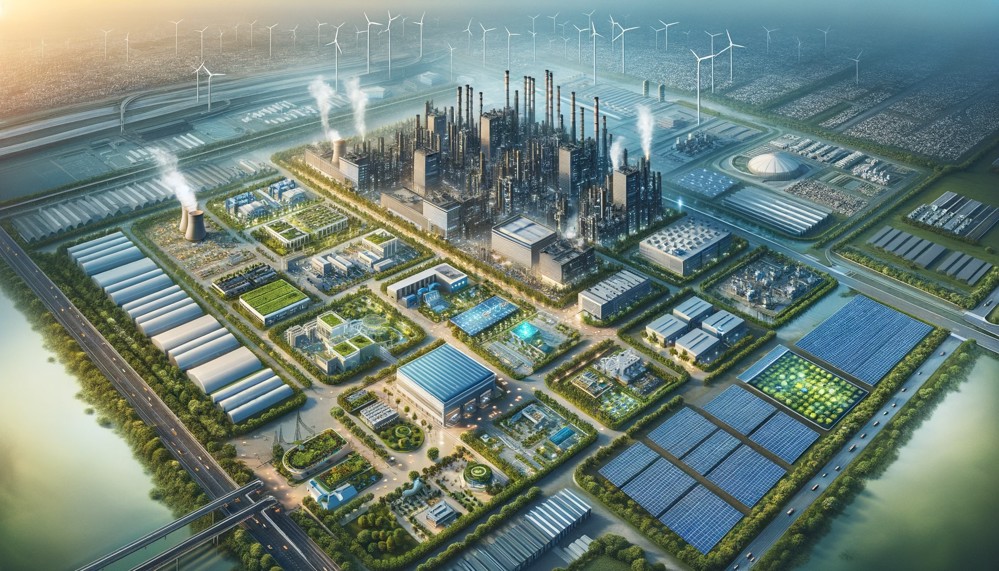
The corridor is set to create a chain reaction of economic growth. By promoting industries, manufacturing, and infrastructure development, it aims to generate millions of jobs and drive GDP growth.
2. Infrastructure Modernization
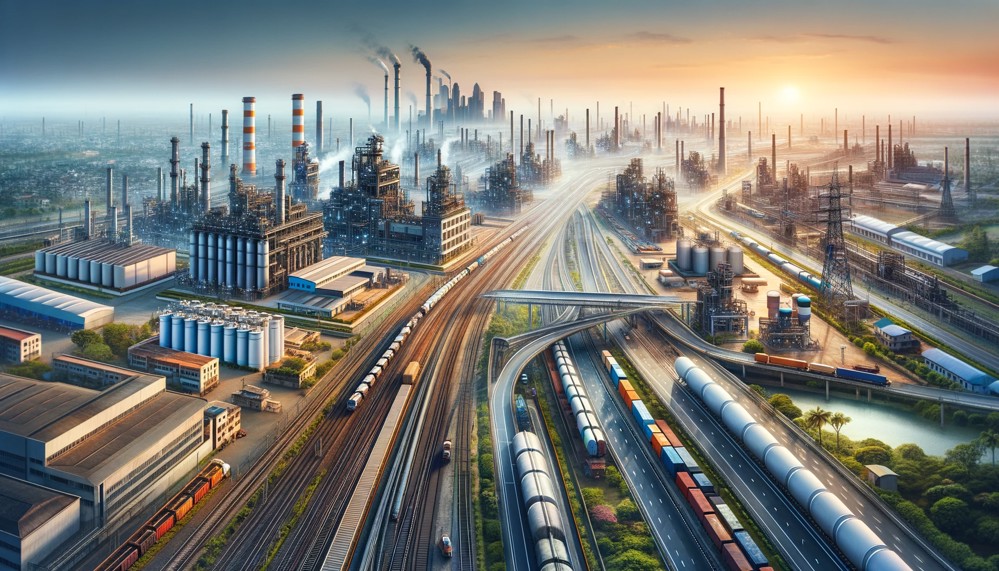
DMIC is not just a road; it is a transformative infrastructure project. With upgraded transport networks, logistics, and connectivity, it enables the efficient movement of goods and services, reducing costs and fostering competitiveness.
3. Urbanization and Real Estate
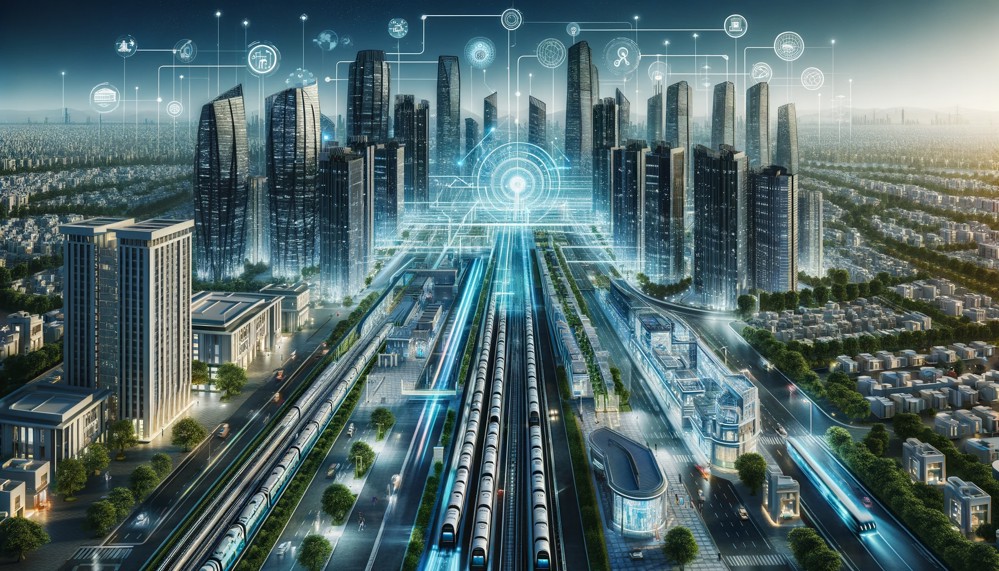
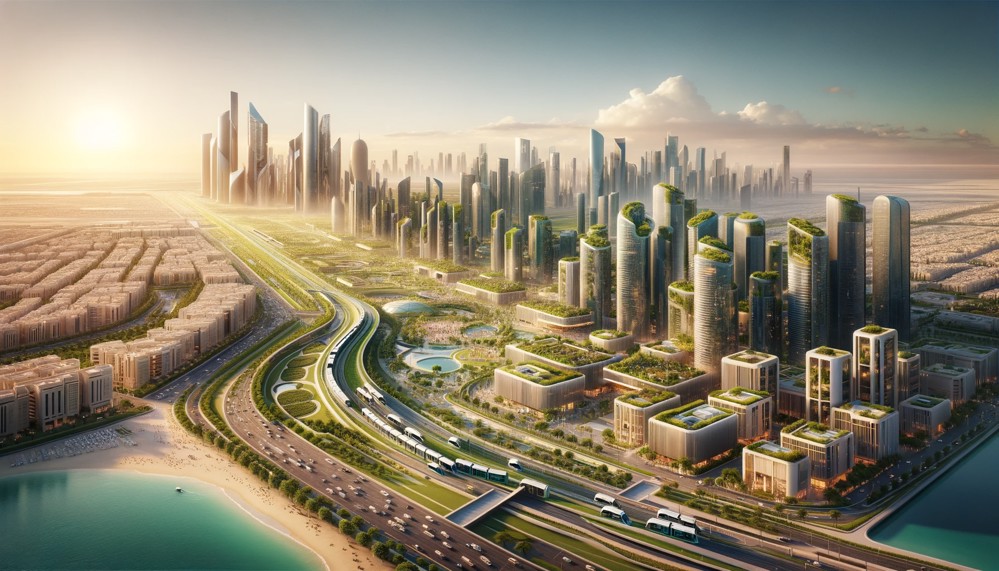
The DMIC facilitates the growth of smart cities, offering world-class living and working environments. This urbanization drive not only modernizes India but also opens up real estate opportunities.
4. Global Investment Hub
DMIC's strategic location between Delhi and Mumbai, two major economic hubs, positions it as an attractive destination for both domestic and foreign investments. The project aims to create a business-friendly environment that fosters innovation and entrepreneurship.
Challenges: The Roadblocks Ahead
While the prospects are promising, the DMIC project faces several challenges:
1. Land Acquisition
Acquiring land for the corridor and related projects has been a contentious issue, with debates over compensation, land rights, and environmental impact.
2. Financing and Investment
The scale of the DMIC requires substantial financial backing. Securing investments from both the public and private sectors is critical, but it's a complex task that demands meticulous planning.
3. Infrastructure Development
The construction of the corridor and its allied infrastructure is a mammoth task, fraught with engineering challenges and logistical complexities.
4. Regulatory Framework
Streamlining the regulatory framework to ensure a conducive environment for businesses and industries is another challenge. Reforming land acquisition laws and environmental clearances is essential.
Financing: The Lifeblood of Progress
The DMIC's financing relies on a blend of sources:
1. Government Investment
The Government of India has been a major contributor, providing funds for infrastructure development, land acquisition, and other essential components of the project.
2. Public-Private Partnerships (PPPs)
DMIC employs PPP models to attract private sector investment. This approach shares the risks and responsibilities between the government and private entities.
3. International Aid and Investment
To meet the colossal financial requirements, India has sought international aid and investment. Nations like Japan have pledged substantial support for the corridor project.
4. Bonds and Loans
In addition to grants and investment, India also leverages bonds and loans to finance various aspects of the DMIC.
Regional Corporations: Pioneering Progress
Several regional corporations and organizations play pivotal roles in the development of the DMIC:
1. Delhi Mumbai Industrial Corridor Development Corporation (DMICDC)
The DMICDC is the primary agency responsible for planning and overseeing the DMIC project. It plays a crucial role in coordinating activities, attracting investment, and ensuring timely execution.
2. Industrial Development Corporations
Several state-level industrial development corporations, such as the Maharashtra Industrial Development Corporation (MIDC) and the Gujarat Industrial Development Corporation (GIDC), are actively involved in attracting industries and investments to their respective regions along the corridor.
3. Real Estate Giants
As the DMIC leads to urbanization, real estate giants like DLF and Godrej Properties have seized the opportunity to invest in developing smart cities and industrial townships.
4. Infrastructure Conglomerates
Large infrastructure companies such as Larsen & Toubro (L&T) are engaged in the construction of the corridor, including roads, railways, and ports.
In conclusion, the Delhi-Mumbai Industrial Corridor represents India's grand vision for economic transformation. Despite challenges related to land acquisition, financing, and infrastructure development, the prospects of economic growth, modernization, and becoming a global investment hub make this megaproject indispensable for India's future. With regional corporations and government agencies working together, DMIC has the potential to reshape the nation's economic landscape, foster urbanization, and drive job creation on an unprecedented scale. As this ambitious corridor continues to evolve, it not only links two major cities but paves the way for a brighter and more prosperous India.


Leave a Comment
Be the first to share your thoughts on this article.
Post a Comment