
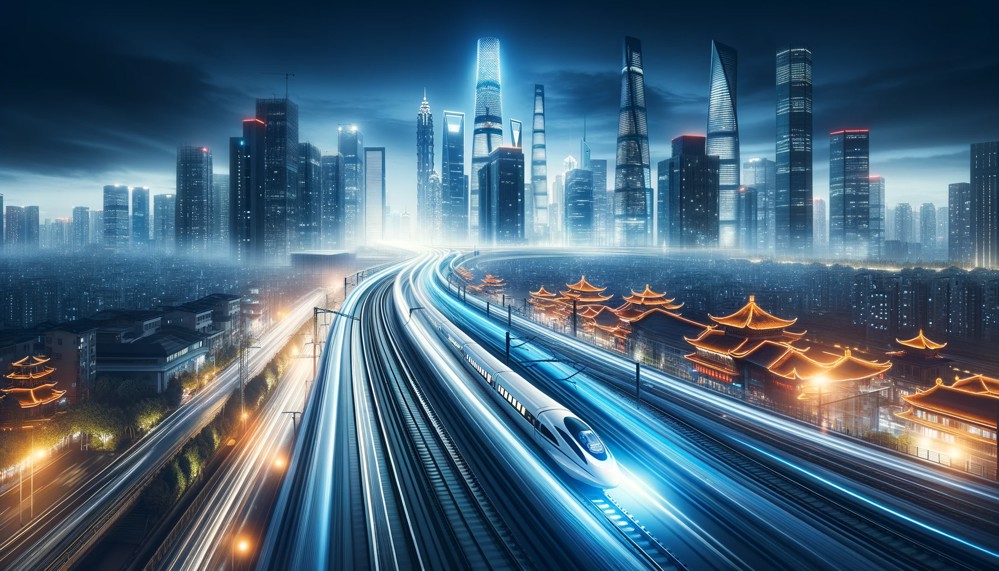

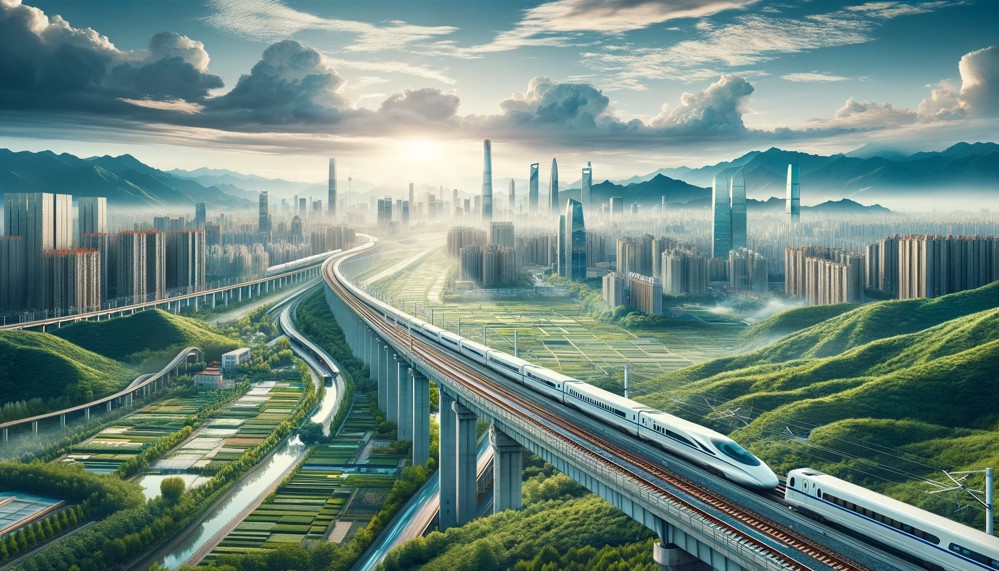
In the realm of transportation and infrastructure, China has, in recent decades, been racing towards the future at a pace that leaves the world in awe. Perhaps one of the most remarkable showcases of the nation's ambition is its sprawling High-Speed Rail Network, which has catapulted China into the global limelight as a leader in rail technology. This vast, interconnected web of high-speed trains has dramatically transformed how millions of people travel in and around the country, underpinning the significance of effective infrastructure and the myriad of opportunities and challenges that come with it.
Prospects: A Fast Track to the Future
China's high-speed rail network is not only about speed but also about connectivity, efficiency, and economic development. Here are some key prospects:
1. Speed and Connectivity
China's high-speed rail network has set new global standards for speed, with trains exceeding 217 miles per hour (350 km/h). This swiftness, combined with the extensive rail network, means that even the vast expanse of China can be traversed in a fraction of the time it used to take. A trip from Beijing to Shanghai, for instance, which once took around 12 hours, can now be accomplished in less than five hours.
This exceptional speed doesn't just make life more convenient for the traveler but also unlocks unprecedented economic potential. It turns megacities into commuter towns and drives further urbanization. It boosts tourism, as previously remote or less accessible destinations suddenly become day-trip possibilities.
2. Economic Growth and Urbanization
The high-speed rail network has played a pivotal role in spurring economic growth. It facilitates the efficient movement of goods and people, creating synergies that weren't possible before. Small and medium-sized towns are growing rapidly along rail routes, leading to the development of new urban centers and the diversification of regional economies.
3. Environmental Benefits
China's push for high-speed rail also aligns with global environmental concerns. Trains are more energy-efficient and less polluting per passenger mile than cars and planes. With more travelers opting for high-speed rail, carbon emissions have been reduced significantly.
Challenges: Bridging the Gaps
However, the road to building this remarkable rail network has been far from smooth. Several challenges have arisen, and some persist today:
1. Massive Costs
The high-speed rail project was no small undertaking, and the costs were immense. Financing the construction of such a vast and complex network placed a considerable burden on the Chinese government. This raised concerns about potential financial instability and debt risks.
2. Geographical and Technical Hurdles
China's vast and diverse landscape presented unique engineering and logistical challenges. Building high-speed rail in regions with extreme climates, mountains, and other geographical obstacles required innovation and extensive resources.
3. Safety and Maintenance
Maintaining the safety and reliability of high-speed rail networks is a constant concern. Regular inspections, preventive maintenance, and timely upgrades are essential to avoid accidents and disruptions.
4. Competition and Integration
The integration of the high-speed rail network with other modes of transportation, such as subways, buses, and air travel, remains a challenge. Competition between rail and other modes of transport, especially in densely populated cities, can lead to conflicts and inefficiencies.
Financing: The Bill for Speed
The financing of China's high-speed rail network is a multifaceted endeavor involving several components:
1. Government Funding
The bulk of the financing comes from the Chinese government. Central and local governments have poured massive amounts of money into the construction and operation of the high-speed rail network. This investment is a testament to China's commitment to modernizing its infrastructure and fostering economic growth.
2. Loans and Bonds
China has also sought funds from domestic and international financial institutions. This strategy has led to an increase in China's overseas lending and involvement in foreign infrastructure projects.
3. Public-Private Partnerships (PPP)
In certain cases, China has explored public-private partnerships to share the financial burden. These arrangements enable private investors to participate in rail projects and share the profits.
4. Ticket Sales and Ancillary Services
Ticket sales generate substantial revenue for the high-speed rail network. In addition, the rail operators offer various ancillary services, such as advertising and real estate development, to boost their income.
Regional Corporations: Driving the Future
The immense scope of China's high-speed rail network has led to the emergence of regional corporations dedicated to its development and operation. The two principal corporations are:
1. China Railway Corporation (CRC)
CRC is the state-owned enterprise responsible for the construction and operation of China's railway network, including the high-speed rail lines. With an extensive portfolio, CRC plays a vital role in ensuring the network's safety, efficiency, and reliability.
2. China State Railway Group (CSRG)
CSRG is another major player in the high-speed rail industry. It's primarily involved in the operation and maintenance of the rail network. The company's focus on innovation and technology has led to significant advancements in rail safety and efficiency.
As the high-speed rail network in China continues to expand and modernize, regional corporations like CRC and CSRG will be at the forefront of driving innovation and progress in this sector.
In conclusion, China's high-speed rail network is more than just a transportation marvel; it is a testament to the nation's ambition and commitment to connectivity, economic development, and environmental sustainability. While there are challenges to overcome, the prospects of this extraordinary network are boundless. The financing strategies, including government funding, loans, bonds, and public-private partnerships, have been vital to its success. Regional corporations like CRC and CSRG play a crucial role in ensuring the network's efficiency and safety. As China continues to push the boundaries of rail technology, the world watches in anticipation of what the future of transportation holds.




Leave a Comment
Be the first to share your thoughts on this article.
Post a Comment