
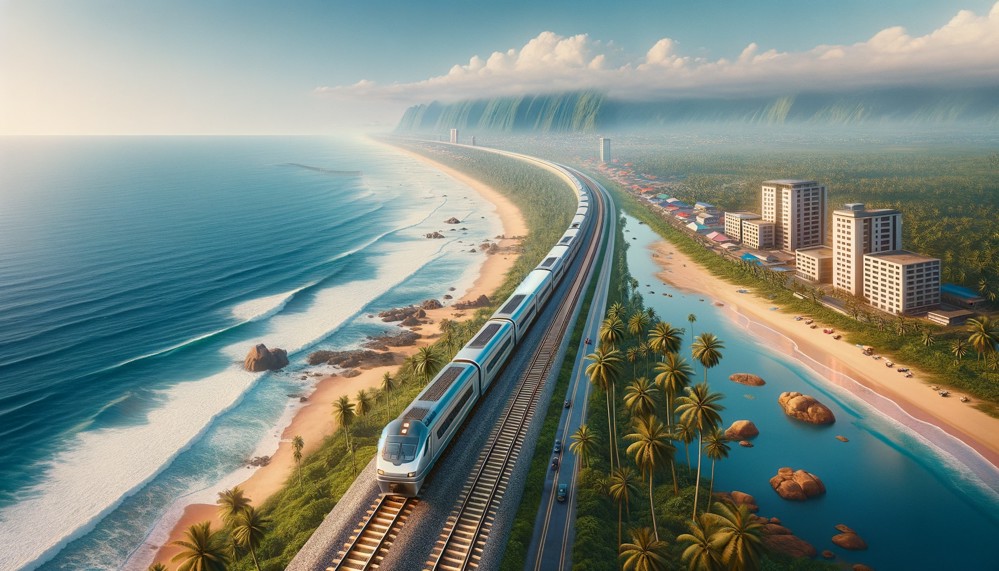
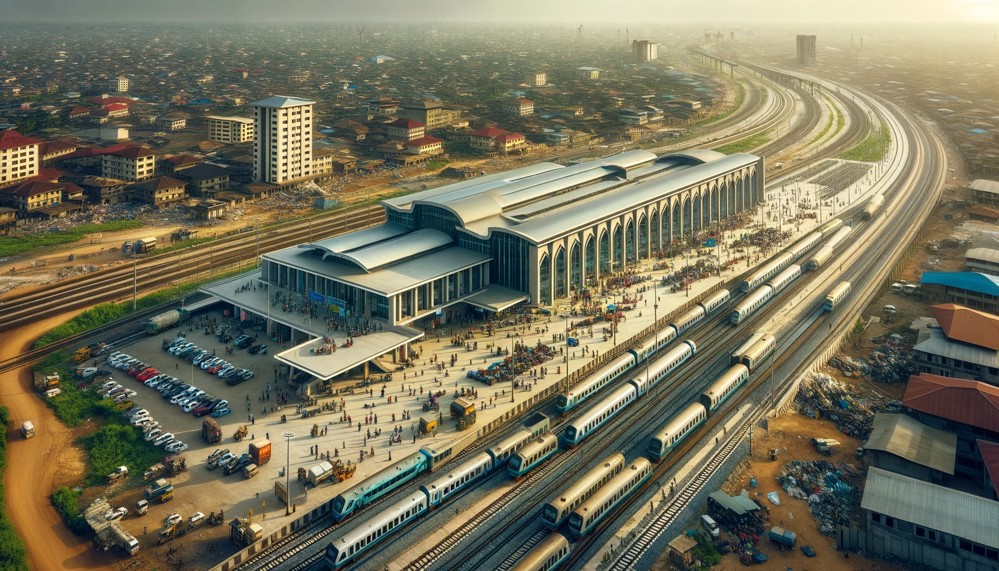


In Nigeria, a country known for its diverse landscapes and vibrant culture, a colossal infrastructure project is taking shape, aiming to revolutionize transportation and boost economic development. The Lagos-Calabar Coastal Railway, a mega rail network that traverses the country's southeastern coastline, is poised to be a game-changer in Nigeria's quest for modern and efficient transportation infrastructure. This ambitious project not only promises to connect the bustling city of Lagos to the serene shores of Calabar but also presents significant prospects, challenges, financing hurdles, and regional cooperation dynamics.
The Vision of Lagos-Calabar Coastal Railway
Connecting Key Regions: The Lagos-Calabar Coastal Railway, often referred to as the "Coastal Rail," is designed to link the country's two major cities, Lagos in the southwest and Calabar in the southeast. The proposed route spans over 1,400 kilometers and will serve as a vital connection between Nigeria's western and eastern regions, bridging the gap in transportation infrastructure that has been a hindrance to economic growth in the southeast.
Trade and Economic Growth: The railway is envisioned as a critical tool to spur economic development in the southeastern region. The Calabar port, a deep seaport in the southeastern region, is strategically positioned to become a major hub for international trade. The Lagos-Calabar Coastal Railway will not only provide a convenient and cost-effective means of transporting goods to and from the port but also facilitate the transportation of raw materials and finished goods, giving a significant boost to industrialization in the region.
Improved Passenger Transport: Besides freight, the Coastal Rail aims to enhance passenger transportation. The railway will connect several key cities and towns along the southeastern coastline, facilitating easier travel and tourism. For the Nigerian people, this means an opportunity for more comfortable, safer, and efficient journeys.
Challenges on the Tracks
Funding Hurdles: The most significant obstacle to the Lagos-Calabar Coastal Railway project has been securing adequate funding. The construction and operation of such an extensive railway system require massive financial resources. Despite Nigeria's considerable wealth in natural resources, financing such projects remains a daunting task, especially in a country with other pressing needs, like healthcare, education, and security.
Infrastructure and Land Acquisition: The railway's construction involves intricate challenges related to land acquisition and infrastructure development. This includes issues like the resettlement of affected communities and ensuring that the railway is built to withstand the harsh coastal environment and natural disasters.
Maintenance and Sustainability: Sustaining the railway system after its construction poses an additional challenge. Adequate funding for routine maintenance, as well as the recruitment and training of personnel, is essential to ensure the system remains operational and safe for years to come.
Security Concerns: Nigeria, like many nations, faces security concerns related to its railway network. Protecting the assets and passengers from criminal elements is a critical consideration for the Lagos-Calabar Coastal Railway.
Financing the Future
The Lagos-Calabar Coastal Railway project has sought funding from various sources, including both domestic and international partners. The Nigerian government, through a combination of public and private investment, has allocated a significant portion of the project's budget. Additionally, the government has explored partnerships with foreign investors, multilateral institutions, and foreign governments to secure funds for the railway.
In 2020, Nigeria signed a memorandum of understanding with the China Civil Engineering Construction Corporation (CCECC) for the construction of the Coastal Rail, highlighting the growing role of China in financing and constructing infrastructure in Africa. This partnership, however, has raised concerns about debt sustainability and the potential long-term impacts of such financial arrangements.
Domestically, private sector investment is being actively encouraged, with the government exploring public-private partnerships (PPPs) to share the financial burden and facilitate private sector involvement in the project. PPPs offer the advantage of blending public funds with private sector expertise, potentially improving efficiency and long-term sustainability.
Regional Cooperation and Economic Integration
The Lagos-Calabar Coastal Railway project is not only significant for Nigeria but has wider implications for regional cooperation and economic integration. It serves as a prominent part of the Trans-African Railway network, a plan aimed at connecting African countries through an integrated railway system. This broader initiative, endorsed by the African Union, seeks to facilitate trade, investment, and the movement of people across the continent.
By connecting Lagos and Calabar, the Coastal Rail complements existing infrastructure projects in West Africa, such as the West African Rail Loop and the ECOWAS Regional Rail Integration project. The synergy between these projects has the potential to create a more integrated and interconnected West Africa, opening new avenues for trade and cooperation.
The Way Forward
The Lagos-Calabar Coastal Railway project holds immense promise for Nigeria's economic development and regional integration. However, the challenges of financing, construction, and maintenance are substantial. It will require a concerted effort from the Nigerian government, private sector, and international partners to ensure the project's success.
As Nigeria moves forward with the Lagos-Calabar Coastal Railway, careful consideration must be given to sustainable financing models, environmental impact, and long-term operational stability. The success of the Coastal Rail will not only benefit Nigeria but also contribute to the broader vision of a united and connected Africa through seamless transportation infrastructure. In the end, it is a journey toward progress, unity, and prosperity for the people of Nigeria and the entire West African region.




Leave a Comment
Be the first to share your thoughts on this article.
Post a Comment