
Unveiling a Maritime Marvel
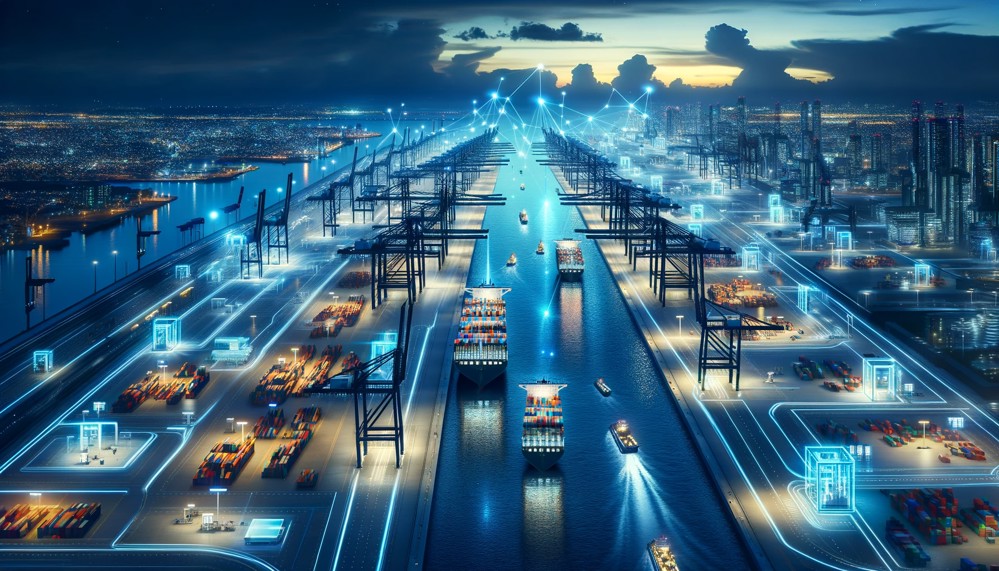
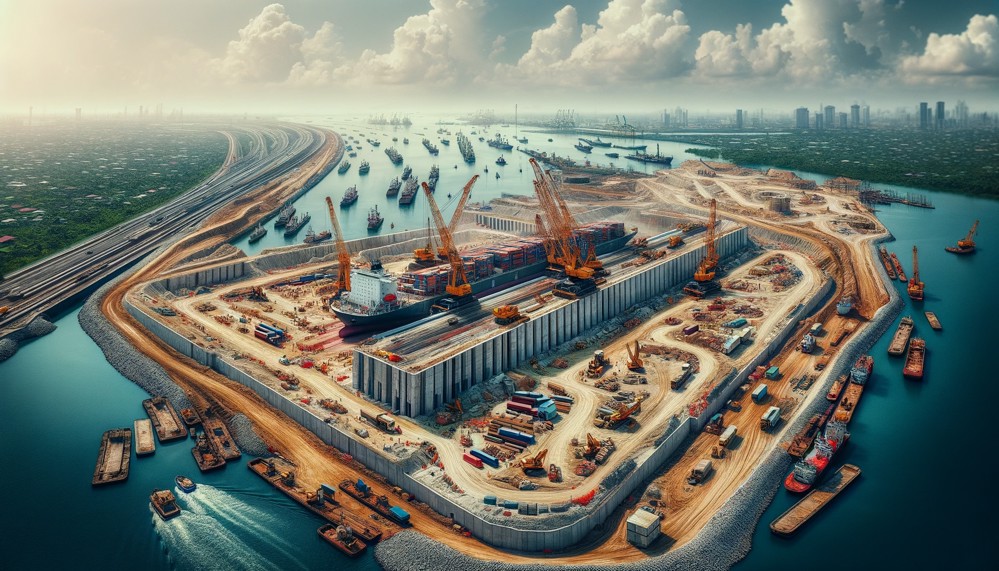
In the heart of Lagos, Nigeria's bustling economic hub, an ambitious project is taking shape on the shores of the Lekki Peninsula. The Lekki Deep Sea Port, a colossal undertaking in the world of maritime infrastructure, promises to be a game-changer for Nigeria's trade, economic growth, and regional collaborations. This megaproject showcases the profound prospects, daunting challenges, intricate financing strategies, and the spirit of regional cooperation that define its significance.
The Vision of Lekki Deep Sea Port
A Gateway to Prosperity
The Lekki Deep Sea Port, a state-of-the-art seaport, is envisioned as a gateway to prosperity for Nigeria. Located strategically on the Lekki Peninsula, it aims to serve as a pivotal hub for international trade. The port's proximity to Lagos, Nigeria's largest city, positions it as a major driver of economic growth, creating opportunities for trade, job creation, and increased revenue for the country.
Transforming Nigeria's Trade Landscape
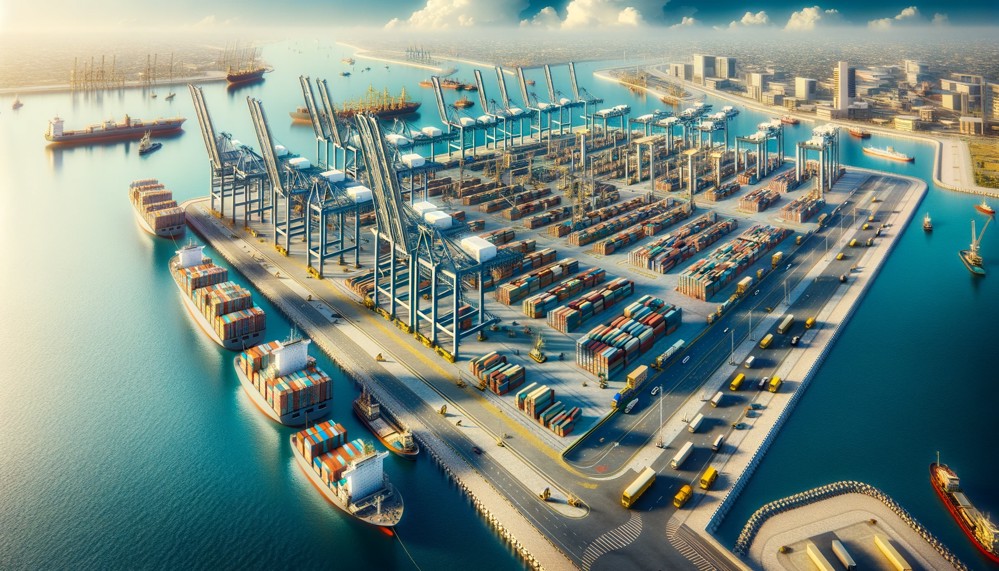
One of the primary objectives of the Lekki Deep Sea Port is to ease congestion at existing ports in Lagos, such as the Apapa Port. By offering a modern and efficient alternative, the Lekki Port aims to streamline the import and export processes, reduce transit times, and alleviate the burden on the congested road networks in Lagos. This is a critical element of Nigeria's trade and logistics transformation agenda.
Global Connectivity
The Lekki Deep Sea Port is designed to connect Nigeria to the global shipping network. Its deep draft and state-of-the-art facilities will accommodate larger vessels, including container ships, bulk carriers, and oil tankers. This not only enhances Nigeria's import and export capabilities but also establishes the country as a competitive player in the global maritime industry.
Challenges on the High Seas
Funding Challenges
Securing adequate funding for the Lekki Deep Sea Port has been a significant challenge. The construction and operation of a deep seaport require substantial financial resources, and attracting investments in a country with other pressing development needs, such as infrastructure, healthcare, and education, is no small feat.
Infrastructure and Logistics
Building and maintaining a seaport is a complex undertaking. It involves developing extensive infrastructure, including terminals, berths, and logistics networks. Ensuring that these facilities are constructed and operated efficiently is essential for the port's success.
Environmental Concerns
The construction and operation of the Lekki Deep Sea Port must be carried out with environmental considerations in mind. Protecting the delicate coastal ecosystem and mitigating potential environmental impacts is crucial. Sustainable practices, such as minimizing dredging and managing waste, are essential for the project's long-term viability.
Security and Safety
Nigeria, like many nations with vital ports, faces security concerns related to its maritime assets. Protecting the Lekki Port from criminal activities, piracy, and other threats is a critical aspect of ensuring its safety and reliability.
Financing the Future
The Lekki Deep Sea Port's financing model is a blend of domestic and international partnerships. The Nigerian government, through a combination of public and private investment, has allocated a substantial portion of the project's budget. Additionally, Nigeria has explored partnerships with foreign investors, international financial institutions, and foreign governments to secure funds for the port's construction and operation.
In 2020, the Lagos State Government signed a Memorandum of Understanding with China Harbour Engineering Company (CHEC) for the development of the Lekki Deep Sea Port. This partnership underscores the increasing role of China in financing and constructing infrastructure in Africa, although it has raised concerns about debt sustainability and long-term implications.
Domestically, Nigeria has actively encouraged private-sector investment through public-private partnerships (PPPs). Private sector involvement is crucial not only for the financing of the project but also for its long-term operational success. The government has created incentives for local and international businesses to participate in the development of the Lekki Port.
Regional Collaboration and Economic Integration
The Lekki Deep Sea Port is more than just a national project; it is a symbol of regional cooperation in West Africa. Nigeria's vision of a modern and efficient deep seaport aligns with the broader goal of connecting the region and promoting economic growth. Neighboring countries such as Benin, Niger, Chad, and Cameroon are keen to utilize the port's facilities to facilitate their trade and transit.
The Lekki Port is an essential element of the West African Ports Integration Initiative (WAPI), a program aimed at harmonizing and integrating port operations and infrastructure across West Africa. This collaborative effort has the potential to create a more interconnected and prosperous West Africa, opening new avenues for trade and cooperation among countries in the region.
The Way Forward
The Lekki Deep Sea Port is a symbol of Nigeria's determination to modernize its maritime infrastructure and promote international trade and economic growth. However, it faces substantial challenges related to financing, construction, maintenance, and security. Nigeria's path to success involves a concerted effort from the government, private sector, and international partners.
As Nigeria moves forward with the Lekki Deep Sea Port, careful consideration must be given to sustainable financing models, environmental preservation, and long-term operational stability. The success of the port will not only benefit Nigeria but also contribute to the broader vision of a united and connected West Africa, creating opportunities for trade, cooperation, and shared prosperity. It's a voyage towards progress, unity, and prosperity for Nigeria and the entire West African region.



Leave a Comment
Be the first to share your thoughts on this article.
Post a Comment