
Linking Morocco, Algeria, and Tunisia
In the heart of North Africa, a visionary project is set to redefine transportation across the Maghreb region. The Trans-Maghreb High-Speed Rail, connecting Morocco, Algeria, and Tunisia, is a testament to regional cooperation and economic development. This ambitious initiative holds vast prospects, navigates substantial challenges, requires innovative financing models, and showcases the power of regional partnerships.
The Vision of Trans-Maghreb High-Speed Rail
A Rail Link for Maghreb Unity
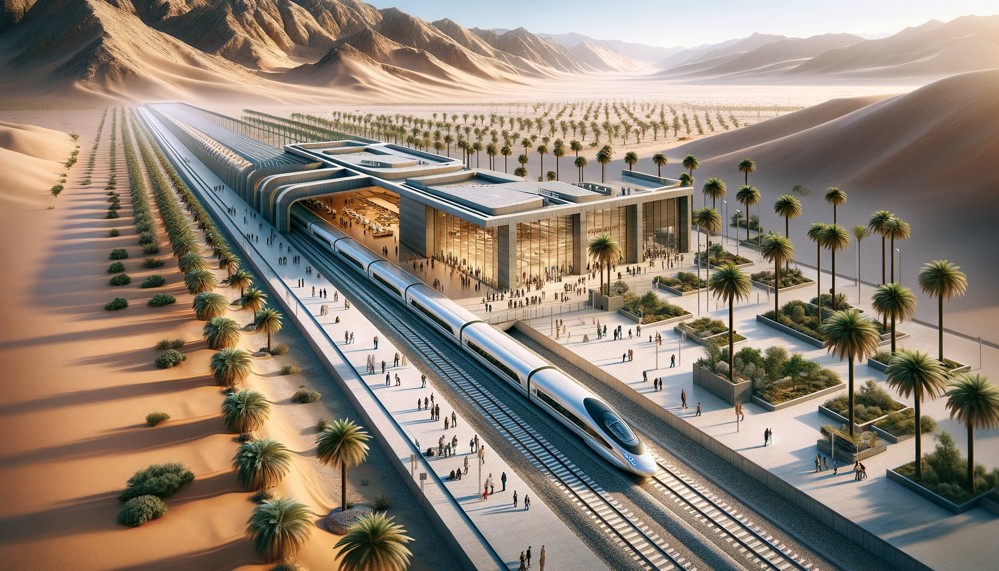
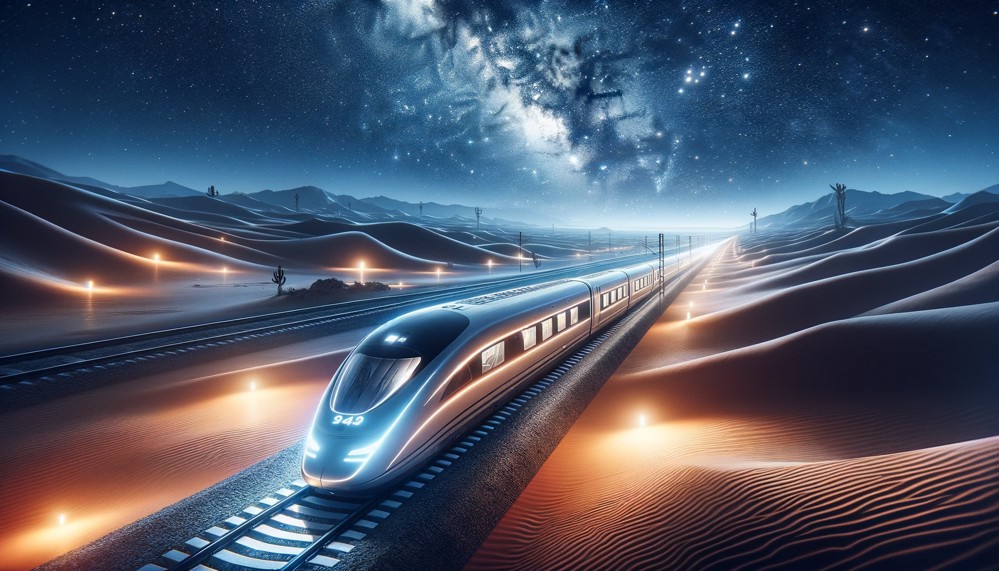
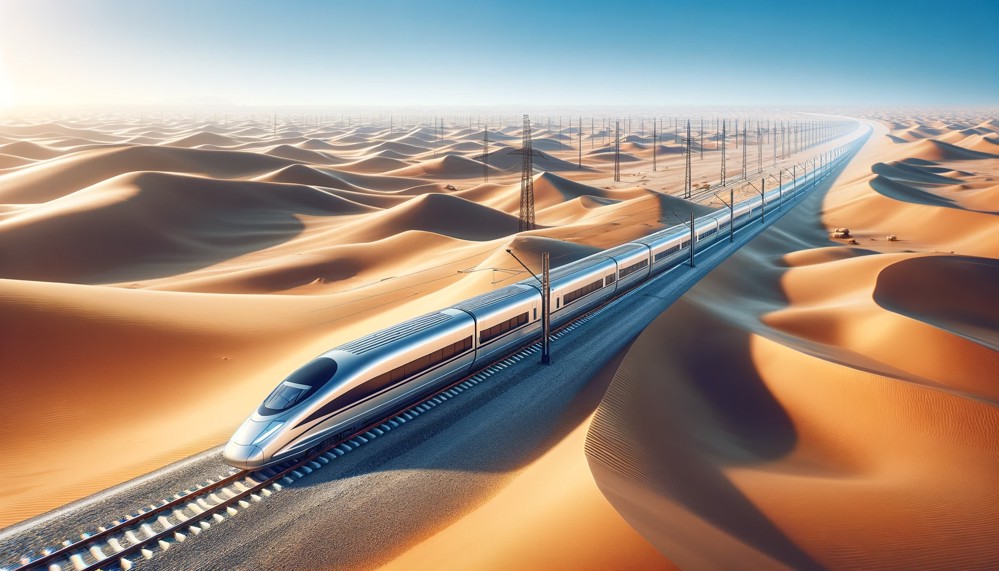
The Trans-Maghreb High-Speed Rail project envisions an extensive railway network, connecting the major cities of Morocco, Algeria, and Tunisia. The goal is to foster unity and cooperation among these Maghreb nations while boosting economic development and trade.
Faster and Efficient Connectivity
High-speed rail offers the promise of faster and more efficient travel, reducing transit times and costs. It allows for the seamless movement of people and goods between the three countries and beyond, opening up opportunities for regional and international trade.
Energy Efficiency and Environmental Benefits
High-speed rail is an environmentally friendly mode of transportation. It produces fewer carbon emissions per passenger-kilometer than traditional modes of transportation like road vehicles and aircraft. By adopting sustainable technology, the Trans-Maghreb High-Speed Rail aims to minimize its environmental impact.
Challenges Along the Rail
Funding the Ambition
One of the most substantial challenges facing the Trans-Maghreb High-Speed Rail project is securing the necessary funding. The construction and operation of a high-speed rail network demand significant financial resources. The Maghreb nations, together with private investors, are actively seeking investments to support this project.
Infrastructure and Technical Challenges
Building a high-speed rail network involves intricate engineering and infrastructure development. The project must address challenges such as tunneling through mountains, creating elevated sections, and ensuring the safety and efficiency of the entire network.
Political and Diplomatic Complexities
The project also navigates political complexities. The Maghreb region has a history of political tensions and conflicts, making cooperation on such a substantial infrastructure project a delicate diplomatic effort. To ensure the success of the Trans-Maghreb High-Speed Rail, the participating nations must maintain stability and foster regional cooperation.
Operational and Regulatory Alignment
For the high-speed rail network to function smoothly, the regulatory and operational aspects must align among the three countries. This requires standardized rules, safety protocols, and technical specifications for the rail network.
Financing the Vision
The financing model for the Trans-Maghreb High-Speed Rail is a blend of public and private investment, international partnerships, and innovative financing mechanisms. The participating Maghreb nations have committed a substantial portion of the project's budget. They are actively engaging international financial institutions, foreign governments, and private sector entities to secure the necessary funds.
International partnerships, particularly with European countries and institutions, have played a significant role in financing and technical support for the project. These collaborations not only provide capital but also bring expertise and technology to the endeavor.
Regional Cooperation and Economic Integration
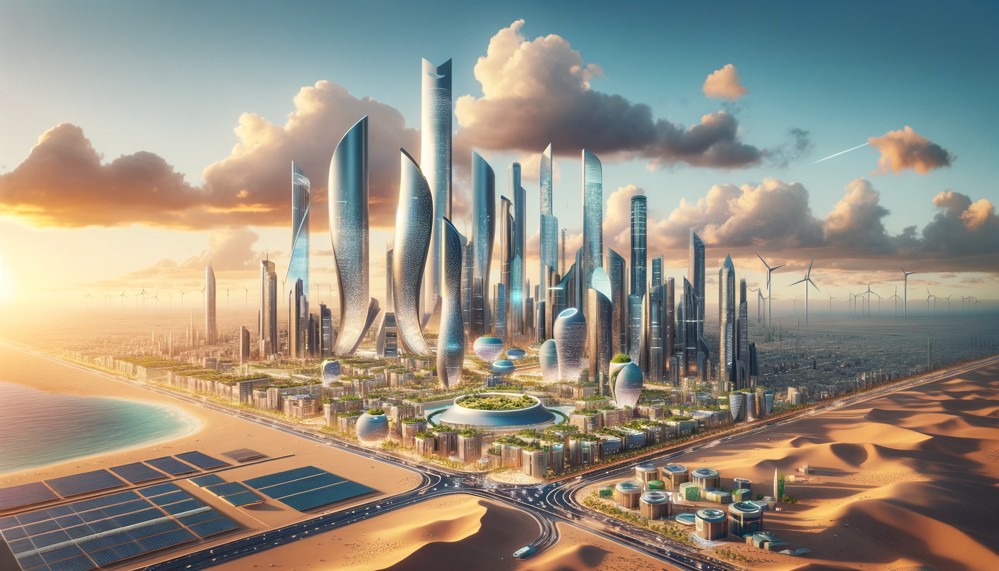
The Trans-Maghreb High-Speed Rail is a symbol of regional cooperation in the Maghreb. It embodies the potential for shared infrastructure and economic integration across the North African region. By connecting major cities and facilitating trade, the project supports the objectives of the Arab Maghreb Union, which seeks to foster economic cooperation and political stability in the region.
The collaborative efforts of Morocco, Algeria, and Tunisia highlight the potential for North African nations to work together on significant projects. It sets an example for other Maghreb nations to forge regional partnerships for mutual growth and prosperity.
The Way Forward
The Trans-Maghreb High-Speed Rail project stands as a symbol of North Africa's determination to enhance connectivity, stimulate economic growth, and promote regional cooperation. However, it faces significant challenges related to financing, infrastructure development, political stability, and regulatory alignment. The project's path to success necessitates collective efforts from the governments of Morocco, Algeria, and Tunisia, as well as private sector partners and international supporters.
As the Trans-Maghreb High-Speed Rail moves forward, a focus on sustainable financing models, infrastructure development, and regional cooperation will be pivotal. The successful implementation of this transformative project will not only benefit the participating countries but also demonstrate the potential of regional partnerships and economic integration across the Maghreb. It's a journey towards unity, prosperity, and enhanced connectivity for the entire region.


Leave a Comment
Be the first to share your thoughts on this article.
Post a Comment