
Transportation infrastructure plays a pivotal role in fostering economic growth and regional integration. In the heart of southeastern Africa lies the Nacala Railway Corridor, a transformative project that aims to connect the countries of Mozambique, Malawi, and Zambia. Spanning across vast landscapes and challenging terrains, this railway corridor has the potential to unlock untapped economic opportunities, facilitate trade, and improve the livelihoods of millions in the region. In this article, we delve into the intricacies of the Nacala Railway Corridor, exploring its history, significance, challenges, and the positive impact it can bring to the nations it traverses.
- Historical Background: The idea of a railway connecting the three countries dates back several decades. Mozambique, Malawi, and Zambia recognized the need for an efficient and cost-effective transportation system to facilitate trade and drive economic development. After years of planning, the governments initiated the Nacala Railway Corridor project, named after the Mozambican port city of Nacala, which serves as the eastern terminus of the corridor.
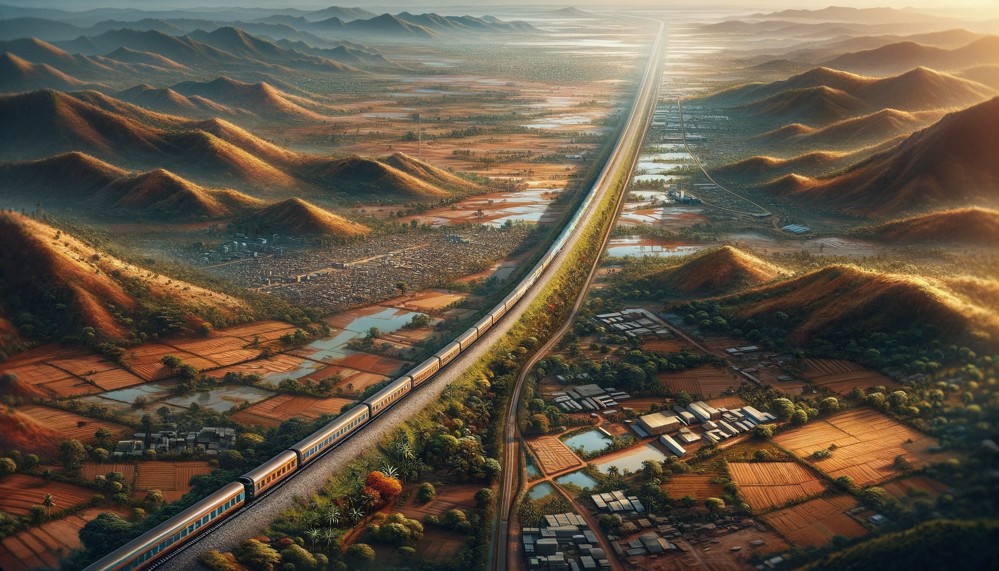
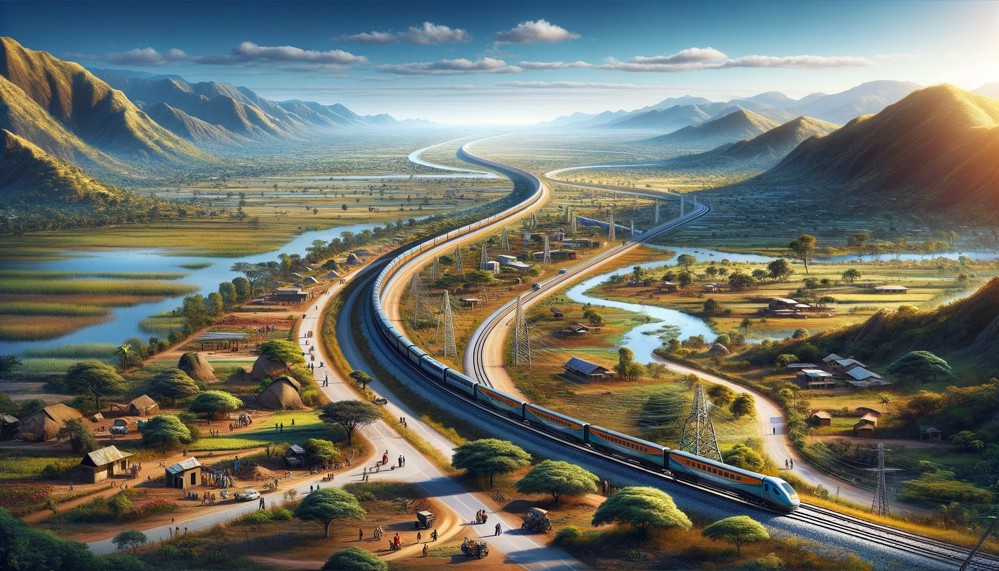
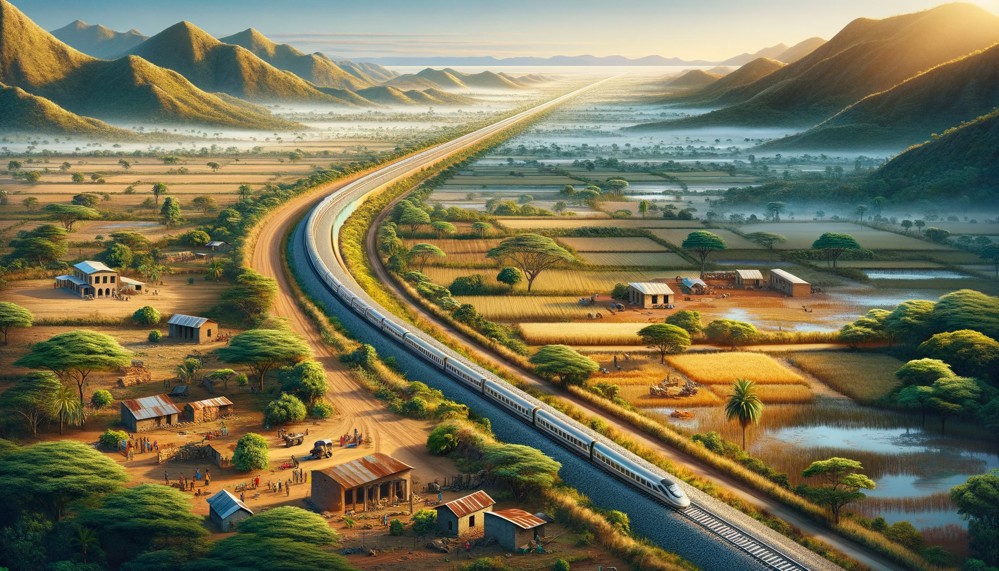
- Geographical Significance: The Nacala Railway Corridor stretches approximately 900 kilometers, cutting through Mozambique, Malawi, and Zambia. It traverses diverse landscapes, including mountainous regions, vast plains, and river valleys. This geographical diversity presented engineers with significant challenges during the construction phase, but it also highlights the corridor's potential to stimulate economic growth across a wide range of sectors.
- Key Objectives: The primary objective of the Nacala Railway Corridor is to provide a seamless transportation network linking Mozambique's coal-rich Moatize region to the Indian Ocean. By connecting landlocked Malawi and Zambia to the deep-water port of Nacala, the corridor aims to reduce transportation costs, increase trade volumes, and enhance regional integration. Additionally, the project seeks to improve infrastructure and create employment opportunities for local communities along its route.
- Infrastructure Development: Constructing the Nacala Railway Corridor involved significant infrastructure development, including the construction of rail tracks, bridges, terminals, and associated facilities. The project also required substantial investment in upgrading existing rail lines and establishing efficient logistics systems. International partners, including private investors, multilateral institutions, and development banks, have played a crucial role in providing financial support and technical expertise.
- Economic Impact: The completion of the Nacala Railway Corridor has the potential to unleash a wave of economic growth in the region. The railway will facilitate the transportation of various goods, including coal, agricultural produce, and manufactured goods, significantly reducing transit times and costs. By improving access to international markets, businesses in Mozambique, Malawi, and Zambia can expand their operations, attract investments, and create employment opportunities, ultimately improving the living standards of local communities.
- Enhancing Regional Trade: The Nacala Railway Corridor's impact extends beyond the individual countries it connects. By improving regional connectivity, the corridor strengthens trade ties among neighboring countries in southern and eastern Africa. It opens up new trade routes and diversifies transportation options, reducing reliance on congested ports and land routes. This improved connectivity fosters economic cooperation, encourages foreign direct investment, and boosts regional trade integration.
- Socio-environmental Considerations: While the Nacala Railway Corridor holds tremendous potential, it is crucial to address the socio-environmental aspects of the project. Proper land acquisition, resettlement of affected communities, and environmental conservation measures should be integrated into the project's implementation framework. Furthermore, sustainable practices, such as promoting renewable energy sources and reducing carbon emissions, should be prioritized to mitigate any negative ecological impacts.
- Future Prospects: Looking ahead, the Nacala Railway Corridor is poised to play a vital role in the sustainable development of Mozambique, Malawi, and Zambia. Further investments in complementary infrastructure, such as road networks and customs facilitation, will amplify the corridor's impact. Additionally, expanding the railway to neighboring countries like Zimbabwe and Tanzania could enhance regional connectivity and foster even greater economic integration.
The Nacala Railway Corridor project exemplifies the transformative power of infrastructure development. By connecting Mozambique, Malawi, and Zambia, this ambitious railway corridor is poised to unleash economic potential, improve trade flows, and uplift the lives of millions. As governments, investors, and communities work together to address challenges and capitalize on opportunities, the Nacala Railway Corridor stands as a beacon of hope, fostering regional integration and propelling sustainable development in southeastern Africa.
Nacala Railway Corridor: Transforming Trade and Connectivity in Mozambique, Malawi, and Zambia
In recent years, the Nacala Railway Corridor has emerged as a significant infrastructure project, connecting the southeastern African countries of Mozambique, Malawi, and Zambia. Spanning approximately 900 kilometers, this ambitious railway network has the potential to revolutionize trade, foster economic development, and enhance regional connectivity in the region. With its strategic location and numerous benefits, the Nacala Railway Corridor is poised to play a vital role in shaping the future of these nations. This article delves into the project's history, features, economic implications, and the transformative impact it promises to bring.
A Historic Journey: The idea of establishing a railway corridor to link Mozambique, Malawi, and Zambia dates back several decades. Recognizing the potential economic gains and the need for efficient transportation, the governments of these nations embarked on an ambitious endeavor to transform this vision into reality. The Nacala Railway Corridor project commenced in the early 2000s, backed by significant investment from international partners, including the African Development Bank and private companies such as Vale and Mitsui.
Features and Infrastructure: The Nacala Railway Corridor boasts state-of-the-art infrastructure, featuring a modern rail line, handling terminals, and associated facilities. The corridor starts at the deep-water port of Nacala in Mozambique, providing a gateway to international maritime trade. From there, it stretches through the lush landscapes of Malawi and Zambia, traversing diverse terrains and overcoming logistical challenges along the way. The railway line is designed to accommodate both freight and passenger trains, offering a multi-modal transportation solution for the region.
Revolutionizing Trade and Economic Development: One of the primary objectives of the Nacala Railway Corridor is to enhance trade connectivity and stimulate economic growth in Mozambique, Malawi, and Zambia. By providing a reliable and efficient transportation route, the corridor unlocks vast trade opportunities for landlocked countries such as Malawi and Zambia, enabling them to access global markets through the Nacala port. The railway corridor facilitates the movement of key commodities, including agricultural produce, minerals, and manufactured goods, boosting export capabilities and attracting foreign investment.
Moreover, the corridor acts as a catalyst for regional integration and economic diversification. It fosters cross-border collaboration, facilitates the establishment of industrial clusters, and promotes value addition along the supply chain. Local communities along the railway corridor are also expected to benefit from increased job opportunities, improved access to markets, and the potential for tourism development.
Socio-Environmental Impact and Sustainability: The Nacala Railway Corridor project recognizes the importance of balancing economic growth with social and environmental considerations. Robust environmental and social impact assessments were conducted to mitigate potential adverse effects on biodiversity, ecosystems, and local communities. The project developers have taken measures to minimize deforestation, protect water resources, and ensure the responsible resettlement of affected communities.
Additionally, the project has laid the groundwork for sustainable development initiatives. These include capacity building programs, skills training, and technology transfer, empowering local communities and fostering their long-term participation in the corridor's operations. By prioritizing sustainable practices, the Nacala Railway Corridor demonstrates a commitment to minimizing its ecological footprint and promoting a greener, more inclusive future.
Challenges and Future Prospects: While the Nacala Railway Corridor project presents tremendous opportunities, it also faces several challenges. Infrastructure maintenance, security concerns, and potential shifts in global trade dynamics are among the factors that require ongoing attention and proactive management. Collaboration between governments, private sector stakeholders, and international partners will be crucial in overcoming these challenges and maximizing the corridor's potential.
Looking ahead, the Nacala Railway Corridor is expected to continue transforming regional trade dynamics, economic development, and connectivity. As it becomes fully operational and attains its projected capacity, it will stimulate additional investment in related sectors such as manufacturing, agriculture, and logistics. The project's success will depend on the ability of the participating nations to leverage the corridor effectively, ensuring transparent governance, effective policy frameworks, and continuous infrastructure development.
Conclusion: The Nacala Railway Corridor is a testament to the power of regional cooperation, infrastructure development, and forward-thinking vision. By connecting Mozambique, Malawi, and Zambia through a modern railway network, this project has the potential to catalyze economic growth, promote trade integration, and foster sustainable development. As the corridor embarks on its journey towards a brighter future, it promises to leave an indelible mark on the economic and social fabric of southeastern Africa, heralding a new era of connectivity and prosperity for the region.
Nacala Railway Corridor: Overcoming Challenges, Financing, and Future Prospects
The Nacala Railway Corridor, a transformative infrastructure project connecting Mozambique, Malawi, and Zambia, holds immense potential for regional development. However, like any ambitious venture, it faces a range of challenges that must be addressed. This article explores the key challenges associated with the Nacala Railway Corridor, the financing mechanisms behind its construction, and the future prospects that lie ahead.
Challenges:
- Logistics and Maintenance: The Nacala Railway Corridor traverses diverse terrains, including mountains, rivers, and dense forests, presenting logistical challenges during construction and ongoing maintenance. Ensuring smooth operations and addressing potential disruptions caused by natural events such as floods or landslides requires continuous monitoring and proactive management.
- Security: The region where the corridor is situated has experienced occasional security concerns, including instances of theft and vandalism. Safeguarding the infrastructure, cargo, and personnel along the railway line is crucial to maintain uninterrupted operations and instill confidence in investors and users.
- Governance and Policy Frameworks: Effective governance and transparent policy frameworks are vital for the successful operation and management of the corridor. Collaborative efforts between the participating countries, including streamlined customs procedures and regulatory frameworks, are necessary to maximize the corridor's potential and attract investment.
Financing: The construction and development of the Nacala Railway Corridor required substantial financial resources. The project relied on a mix of funding sources, including international financial institutions, private sector investments, and government contributions. Key financial partners included the African Development Bank, Vale, Mitsui, and other development banks.
Future Prospects:
- Trade and Economic Growth: The completion and operationalization of the Nacala Railway Corridor have already begun to unlock significant trade opportunities for Mozambique, Malawi, and Zambia. The corridor provides landlocked countries like Malawi and Zambia with a direct and efficient route to access international markets through the Nacala port. This enhanced trade connectivity is expected to foster economic growth, increase export capabilities, and attract foreign investment.
- Regional Integration: The Nacala Railway Corridor plays a vital role in promoting regional integration. By facilitating cross-border trade and collaboration, the corridor encourages economic diversification, industrial clusters, and value addition along the supply chain. It strengthens ties between the participating countries and fosters a sense of shared prosperity.
- Sustainable Development: The Nacala Railway Corridor places a strong emphasis on sustainable development practices. Environmental and social impact assessments were conducted to minimize adverse effects on biodiversity and local communities. Additionally, the project includes initiatives such as capacity building, skills training, and technology transfer, empowering local communities and ensuring their long-term participation in the corridor's operations.
- Expanded Infrastructure: The Nacala Railway Corridor has the potential to spur additional infrastructure development along its route. The presence of the railway line can attract investments in related sectors such as manufacturing, agriculture, and logistics. Improved transportation infrastructure can also lead to the establishment of new industries and the growth of existing ones, creating job opportunities and supporting economic diversification.
Despite the challenges it faces, the Nacala Railway Corridor continues to make significant strides in transforming trade, connectivity, and economic development in Mozambique, Malawi, and Zambia. By addressing logistical hurdles, ensuring security, and establishing effective governance structures, the participating nations can overcome obstacles and maximize the corridor's potential. With its ability to facilitate trade, regional integration, and sustainable development, the Nacala Railway Corridor holds the promise of a prosperous and interconnected future for the entire southeastern African region.




Leave a Comment
Be the first to share your thoughts on this article.
Post a Comment