
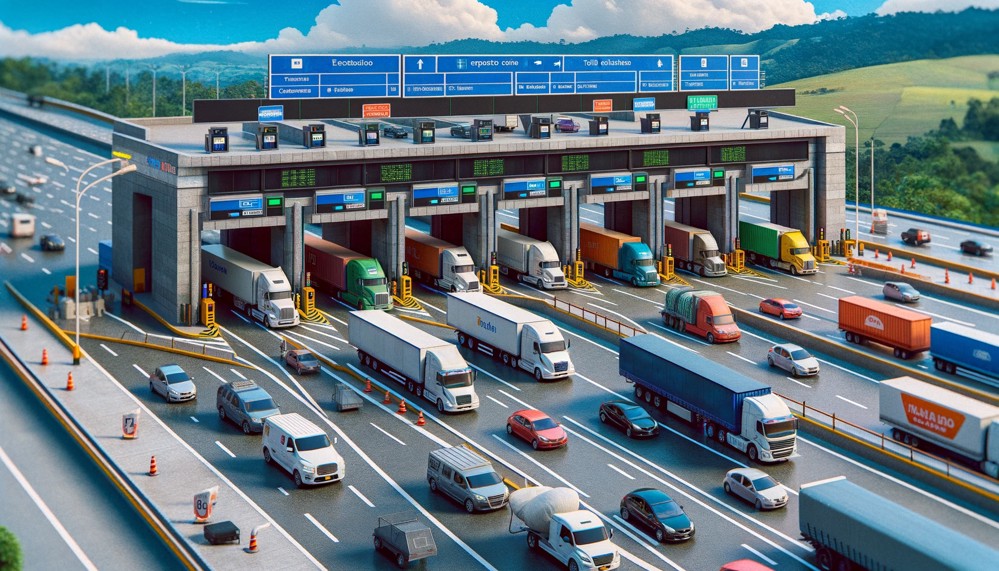


In the heart of Colombia's stunning and diverse landscapes, a transformative project is unfolding—the construction of Ruta del Sol. This ambitious highway project is not just a roadway but a gateway to Colombia's future, connecting major cities, improving trade routes, and stimulating economic growth. Ruta del Sol is emblematic of Colombia's commitment to progress and infrastructure development. In this article, we will explore the prospects, challenges, financing, and the regional corporations behind the Ruta del Sol project.
A Vision of Connectivity
Prospects
Ruta del Sol is more than just a highway; it embodies a vision of enhanced connectivity, economic development, and improved quality of life:
Trade and Commerce
At its core, the highway aims to facilitate trade and commerce in Colombia. By connecting the Caribbean coast with the interior, it offers a more efficient and reliable transportation route for the movement of goods, reducing costs and boosting the economy.
Economic Growth
The construction and operation of Ruta del Sol stimulates economic growth. It creates jobs, attracts investment, and fosters the growth of industries connected to transportation and trade.
Regional Development
The project brings prosperity to regions that were previously isolated. It creates employment opportunities, drives infrastructure development, and improves living conditions for local communities.
Tourism and Travel
With improved connectivity and accessibility to remote and scenic destinations, Ruta del Sol unlocks the tourism potential of Colombia. It offers travelers a chance to explore the country's diverse landscapes and cultural heritage.
Navigating Challenges
Environmental Impact
The construction of Ruta del Sol raises concerns about its environmental impact. It passes through areas of ecological significance, including rainforests and wetlands, posing challenges in terms of habitat preservation and ecosystem conservation.
Infrastructure Development
Building a highway of this magnitude through diverse terrains requires substantial infrastructure development, including bridges, tunnels, and road improvements, adding complexity to the project.
Financing
Securing the necessary funding for the highway, while ensuring it stays within budget, is a significant challenge. Colombia's economy has faced fluctuations, and the financial pressures resulting from the COVID-19 pandemic further complicated financing.
Financing the Future
Government Investment
The Colombian government is a primary source of funding for the Ruta del Sol project. It sees the project as a strategic investment in trade facilitation, economic growth, and regional development.
International Lending
To secure additional funding for the highway, Colombia has sought loans from international financial institutions. These loans provide the necessary capital to support the construction and maintenance of the road.
Public-Private Partnerships
Colombia has also pursued public-private partnerships (PPP) for various components of the Ruta del Sol project. These collaborations bring both financial support and specialized knowledge to ensure the project's success.
Regional Corporations
Several regional corporations have played pivotal roles in shaping and advancing the Ruta del Sol project:
Odinsa
Odinsa, a Colombian infrastructure company, is involved in the construction and operation of Ruta del Sol. The company's extensive experience in infrastructure development and management is pivotal to the project's success.
Sacyr
Sacyr, a Spanish construction company, is a key player in the Ruta del Sol project. Their expertise in engineering and construction adds a global perspective to the project.
Solarte
Solarte, a Colombian engineering and construction company, is also involved in the construction of the highway. Their local knowledge and experience are critical to the project's success.
In conclusion, Ruta del Sol is not just a highway; it's a symbol of Colombia's commitment to progress, connectivity, and economic development. Despite the challenges posed by environmental concerns, infrastructure development, and financing needs, the prospects for Ruta del Sol are bright. With the support of the Colombian government, international institutions, private investors, and the expertise of regional corporations, Colombia is well on its way to realizing its vision of enhanced connectivity and prosperity for all its regions. As Ruta del Sol continues to take shape, it symbolizes Colombia's unwavering commitment to progress, unity, and a future where infrastructure development leads to shared prosperity and a more connected nation.




Leave a Comment
Be the first to share your thoughts on this article.
Post a Comment