
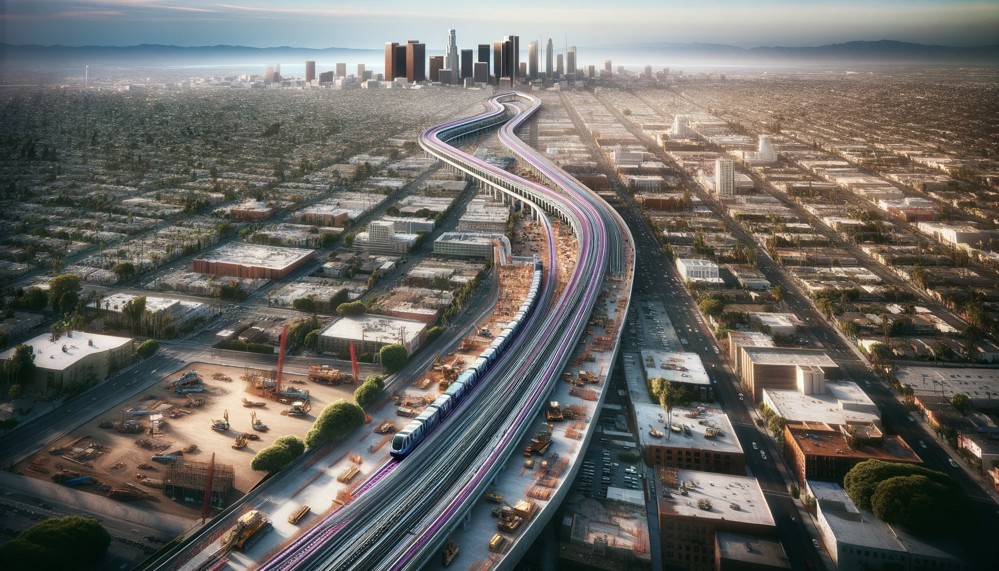
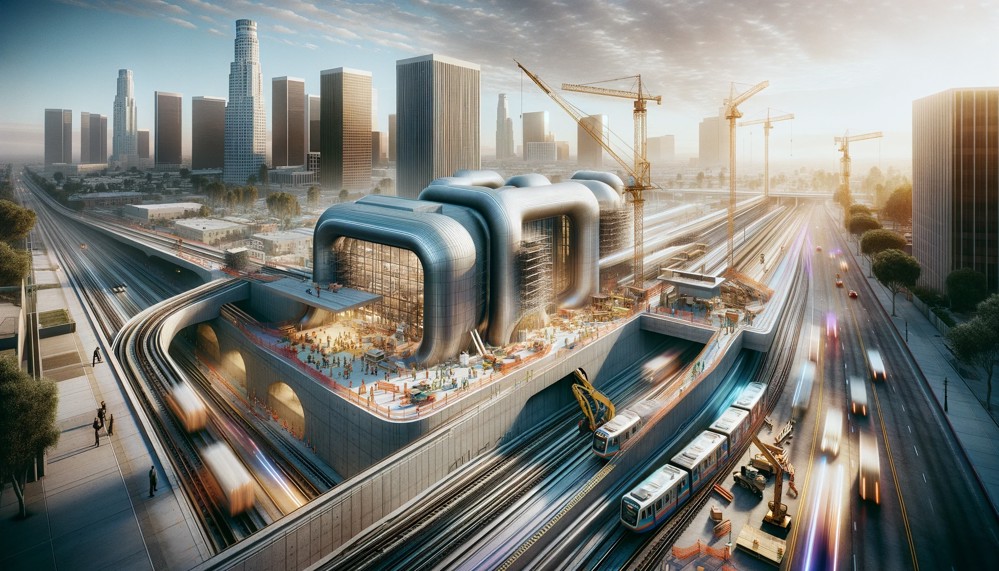

Los Angeles, the City of Angels, is digging deep into the urban fabric as it embarks on a monumental journey - the Los Angeles Metro Purple Line Extension. This ambitious endeavor promises to redefine transportation in the city, alleviate traffic congestion, and foster urban development. In this article, we'll take you on a journey through the prospects, challenges, financing, and the regional corporations shaping the future of Los Angeles through the Purple Line Extension.
Prospects: Tunnels to a Transit Renaissance
The Los Angeles Metro Purple Line Extension is a transformative project, offering a multitude of exciting prospects:
1. Enhanced Public Transit
The project aims to expand and enhance the city's public transit network, providing a convenient and efficient way for residents to navigate Los Angeles.
2. Traffic Congestion Relief
By reducing car dependency and offering a viable alternative for commuters, the extension will help alleviate traffic congestion and reduce pollution.
3. Economic Growth and Urban Development
Improved public transit connectivity is expected to stimulate economic growth, create job opportunities, and foster urban development around the new stations.
4. Environmental Benefits
The project encourages sustainable transportation, reducing greenhouse gas emissions and promoting eco-friendly commuting.
Challenges: Tunneling Through Urban Complexities
While the prospects are exciting, the Purple Line Extension project faces several challenges:
1. Financing and Budget Management
The scale of the project demands meticulous financial planning and cost management to ensure it remains within budget.
2. Technical Complexities
Building underground transit infrastructure in a bustling city requires intricate engineering and coordination to ensure safety and efficiency.
3. Environmental Impact Assessment
The project must address environmental concerns, including its impact on the surrounding ecosystem and neighborhoods.
4. Urban Development and Land Use
Coordinating land acquisition, urban planning, and zoning regulations can be a complex task, often involving legal and social challenges.
Financing: Funding the Subway Renaissance
The financing of the Los Angeles Metro Purple Line Extension comes from a blend of sources:
1. Local and State Funding
The project has attracted significant funding from local and state sources, with the city and state governments investing in its planning, development, and construction.
2. Federal Grants and Support
Federal grants and support have played a crucial role in financing the project, as it serves as a model for urban public transit development.
3. Bonds and Loans
To secure additional funding, the project has issued bonds and secured loans, attracting private-sector investors and institutional support.
4. Public-Private Partnerships (PPPs)
Public-private partnerships play a significant role in financing and operating the project, sharing responsibilities and risks between the government and private entities.
Regional Corporations: Crafting Commuter Convenience
Several regional corporations and organizations are pivotal in the development of the Los Angeles Metro Purple Line Extension:
1. Los Angeles County Metropolitan Transportation Authority (LACMTA)
The LACMTA is the government agency responsible for planning, developing, and promoting the project. It plays a crucial role in coordinating various aspects of the extension.
2. Construction and Engineering Giants
Major construction and engineering corporations such as Skanska, AECOM, and Parsons Brinckerhoff have been heavily involved in the construction and development of the Purple Line Extension.
3. Local and Community Groups
Local and community groups are instrumental in ensuring that the project complies with local regulations, permits, and environmental considerations, and that it benefits the communities it serves.
4. Urban Developers and Business Associations
Urban developers and business associations collaborate closely with the project to promote economic growth, attract investments, and ensure that businesses benefit from the improved transit connectivity.
In conclusion, the Los Angeles Metro Purple Line Extension is not just a subway project; it's a symbol of progress, connectivity, and ambition for the city. Despite challenges related to financing, technical complexities, environmental concerns, and urban development, the prospects of enhanced public transit, traffic congestion relief, and environmental benefits make this project highly promising. With regional corporations, government support, and international involvement, the Purple Line Extension is poised to reshape Los Angeles' transportation and urban landscape, foster economic development, and provide a sustainable and efficient way for people to navigate the city. As this transformative project continues to carve its path beneath the city's streets, it stands as a beacon of Los Angeles' dedication to progress, innovation, and connectivity, promising a brighter and more accessible future for the city and its residents.




Leave a Comment
Be the first to share your thoughts on this article.
Post a Comment