
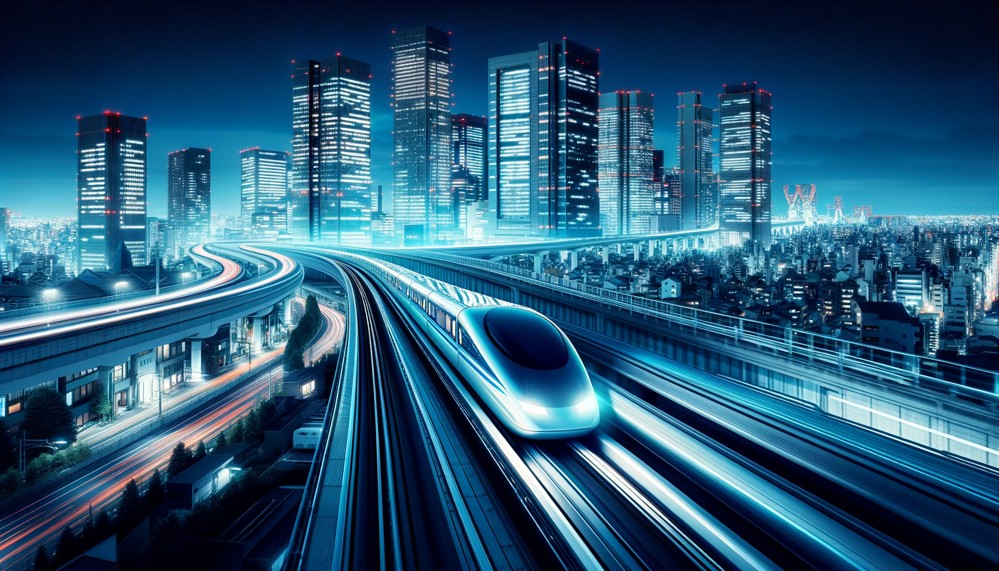
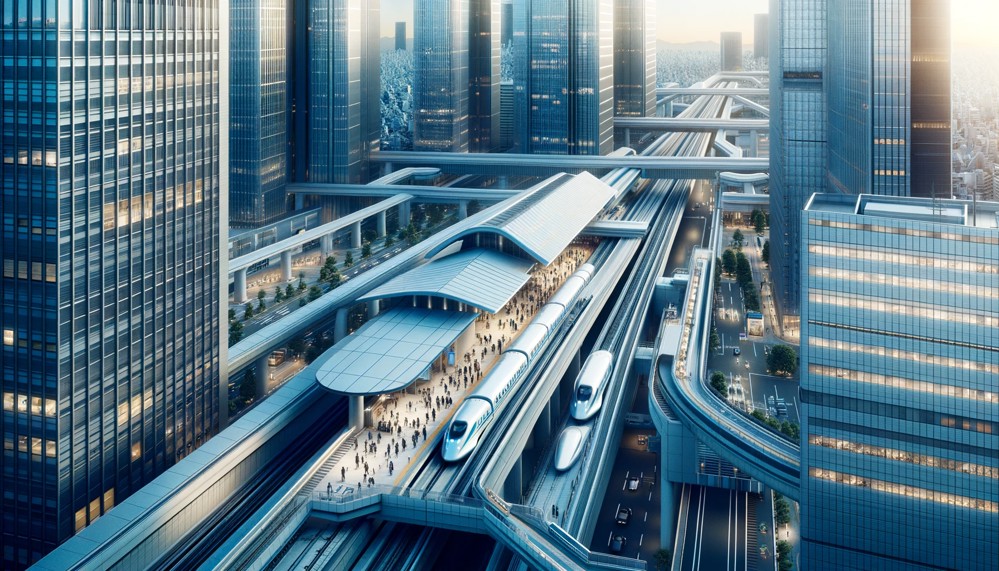
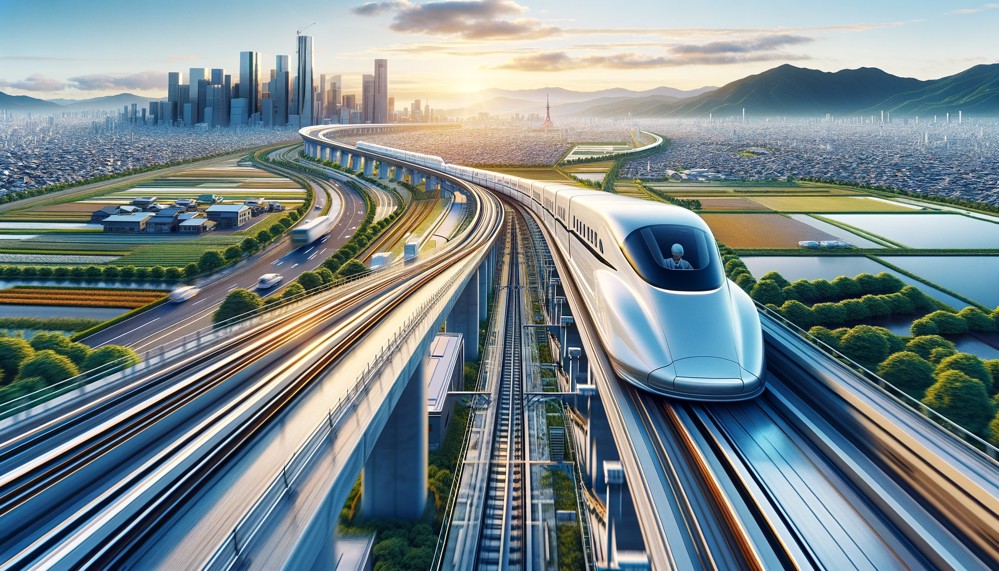
Japan, a country known for its technological prowess, is setting new standards in high-speed rail travel with the Tokyo-Osaka Maglev Train. This groundbreaking project not only promises to connect two of Japan's most prominent cities but also signifies a glimpse into the future of transportation technology. In this article, we will embark on a journey through the prospects, challenges, financing, and the regional corporations that are at the forefront of this remarkable endeavor.
Prospects: Riding the Magnetic Waves of Progress
The Tokyo-Osaka Maglev Train is a testament to Japan's pursuit of progress, offering a multitude of exciting prospects:
1. Unprecedented Speed
With the capacity to reach speeds of up to 500 kilometers per hour (311 miles per hour), the maglev train will cut the travel time between Tokyo and Osaka in half, revolutionizing transportation in Japan.
2. Economic Growth
This high-speed rail project is set to boost local economies by promoting tourism, making commuting more efficient, and fostering business opportunities between the two cities and regions along the route.
3. Technological Advancements
The development of the maglev technology opens doors for further innovation in transportation. Japan's expertise in magnetic levitation can become a valuable export, boosting the country's technological leadership.
4. Environmental Benefits
As a more energy-efficient and eco-friendly mode of transportation, the maglev train promises to reduce carbon emissions and dependence on fossil fuels, contributing to Japan's sustainability goals.
Challenges: Navigating the Tracks of Progress
While the prospects are exhilarating, the Tokyo-Osaka Maglev Train faces several challenges:
1. Financing and Cost Management
The project comes with a significant price tag. Balancing budgets, securing financing, and managing costs without burdening taxpayers are critical challenges.
2. Land Acquisition and Resettlement
Acquiring land for the construction and operation of the train is a complex and at times contentious process, involving negotiations, compensation disputes, and resettlement concerns.
3. Engineering and Safety Complexities
Ensuring the safety and security of passengers at the maglev train's exceptional speeds is an ongoing challenge. Engineering solutions and safety protocols must be meticulously designed and maintained.
4. Environmental Impact and Regulation
The maglev train's construction can impact local ecosystems and habitats. Ensuring that the project complies with environmental regulations is crucial.
Financing: Keeping the Wheels of Progress Turning
The financing of the Tokyo-Osaka Maglev Train relies on a combination of sources:
1. Japanese Government Investment
The Japanese government has been a major contributor to the financing of the maglev train project. It has invested in the research, development, and construction of the high-speed rail line.
2. Public-Private Partnerships (PPPs)
Public-Private Partnerships play a substantial role in financing and operating the maglev train. This approach shares the risks and responsibilities between the government and private entities.
3. Bonds and Loans
The project has leveraged bonds and secured loans to finance various aspects of the maglev train system.
4. Passenger Fares and Ancillary Services
Once operational, revenue from passenger fares and income from ancillary services like advertising, retail, and property development will contribute to financing the project.
Regional Corporations: Shaping the Future of Rail Travel
Several regional corporations and organizations are instrumental in the development of the Tokyo-Osaka Maglev Train:
1. Central Japan Railway Company (JR Central)
JR Central is at the forefront of developing the maglev train technology. It operates the Chuo Shinkansen and leads the consortium overseeing the project's construction.
2. East Japan Railway Company (JR East)
JR East is actively involved in the project's development, as it will be responsible for operating the maglev train on the Tokyo side of the route.
3. West Japan Railway Company (JR West)
JR West is a key player on the Osaka side, involved in the maglev train's development and operation.
4. Construction Giants
Large construction corporations like Taisei Corporation, Obayashi Corporation, and Shimizu Corporation are actively participating in the construction of the maglev train line.
In conclusion, the Tokyo-Osaka Maglev Train is more than just a railway; it's a symbol of Japan's technological ambition and its commitment to a sustainable and connected future. Despite challenges in financing, land acquisition, engineering complexities, and environmental concerns, the prospects of unparalleled speed, economic growth, and environmental benefits make this project truly exciting. With regional corporations, government support, and international collaboration, Japan is on track to redefine high-speed rail travel, not just for itself but for the world. As the magnetic waves of progress propel the country into the future of transportation, the Tokyo-Osaka Maglev Train is a testament to Japan's technological prowess and its unwavering commitment to progress and innovation.




Leave a Comment
Be the first to share your thoughts on this article.
Post a Comment